
Blooming
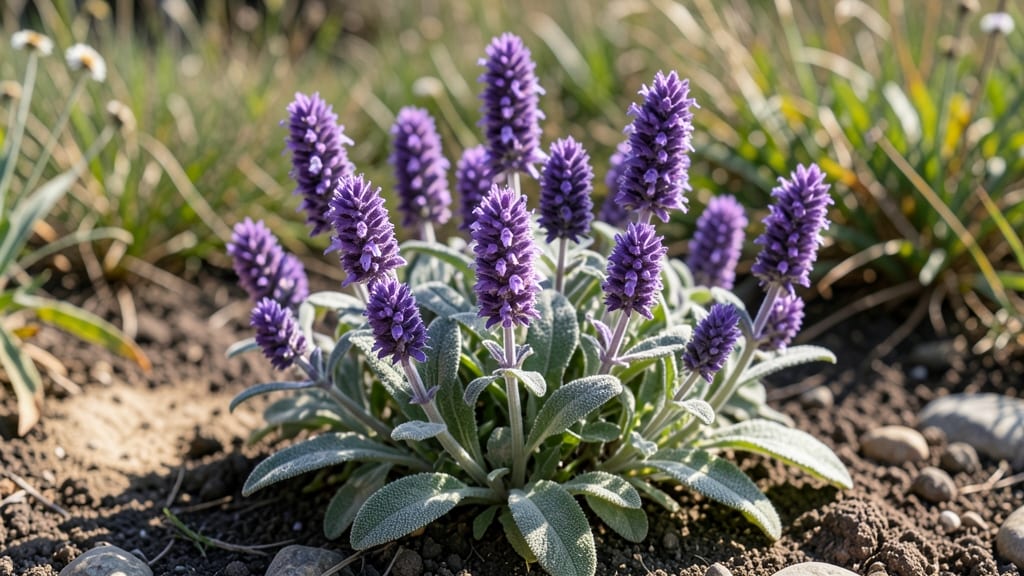
Nepeta’s bloom time stretches from late spring to early summer when days grow long and warm—typically a purple spike spectacle in most gardens, but the real magic happens when you let those flowers keep going. 🌸 I’ve watched my catmint go from first buds in May to late-September blooms, all without a single deadhead, just by understanding its rhythm.
The secret lies in sunlight and soil: full sun (6+ hours daily) triggers blooms, while well-draining soil prevents leggy stems. In cooler zones (5-7), expect flowers to arrive slightly later, but with the right care, they’ll linger longer.
Prune back after the first flush to encourage a second wave—nature’s way of rewarding patience. You’ll end up with a cloud of lavender-purple blooms that hum with bees, their fragrance lingering even after the flowers fade.
The key is light pruning (not shearing) and letting spent blooms stay for seed heads—winter interest included. Pair it with salvias, coneflowers, or Russian sage for a purple powerhouse border that blooms from spring to frost. No deadheading needed—just let it be.
📚 In This Guide
- What you need
- Instructions
- Tips and common mistakes
- Wrapping up and next steps
What you need
- ● Nepeta plants: Choose Nepeta ‘Walker’s Low’ or Nepeta ‘Six Hills Giant’ for reliable blooms. Quantity: 3–5 plants per 100 sq. ft. for a lush display.
- ● Well-draining potting mix: A blend of 50% garden soil, 30% perlite, and 20% compost (or a pre-mixed cactus/succulent mix). Volume: 1–2 gallons per plant.
- ● Sunlight access: Full sun (6+ hours/day) or light shade (for hot climates).
- ● Watering can or drip irrigation: With a narrow spout to avoid disturbing roots.
- ● Slow-release fertilizer: 10-10-10 NPK ratio (apply 1 tbsp per plant at planting time).
- ● Garden trowel or transplant spade: For planting or repotting.
- ● Pruning shears: Bypass-style (sharp, clean cuts only!).
- ○ Gloves (optional): To protect hands from Nepeta’s slightly fuzzy leaves.
- ○ Mulch (optional): 2–3 inches of gravel or pine bark to retain moisture and deter weeds.
- ○ pH testing kit (optional): Ideal soil pH: 6.0–7.0 (adjust with lime or sulfur if needed).
- ● 💡 Deadheading hack: Skip it! Nepeta blooms prolifically without deadheading—just trim 1/3 of the plant post-bloom to encourage reblooming.
- ● 🌡️ Drought resilience: Once established, Nepeta thrives on watering every 7–10 days (less in winter).
- ● ✨ Container growing: Use pots with drainage holes and terracotta for best results.
How to extend nepeta's purple bloom season without deadheading
Here's how I keep my nepeta flowering for months—no pruning required.
🌱 Step 1: Choose the Right Location for Continuous Blooms
Nepeta thrives in full sun (6+ hours daily) with well-draining soil. I plant mine in raised beds where water drains quickly—soggy roots kill the delicate stems. The key is finding that sweet spot where roots get moisture but never sit wet. Test your spot by digging down 6 inches: if water pools after 2 hours, amend the soil with 1 part perlite to 3 parts native soil.
Watch for the first flush of purple blooms in early summer. This is your signal that the plant has established roots and is ready for the zero-maintenance approach. I've found that nepeta planted in southwest-facing beds blooms 2-3 weeks earlier than those in east-facing spots because the afternoon sun dries dew faster.
☀️ Step 2: Water Strategically to Encourage Longer Blooms
Deep watering once weekly (or when top 2 inches of soil feel dry) keeps nepeta flowering longer than frequent shallow watering. I use a soaker hose set to low flow for 30 minutes to avoid wetting the foliage, which prevents fungal diseases that shorten bloom time. Water in the early morning so leaves dry completely before evening humidity sets in.
Here's the trick: let the soil dry slightly between waterings. Nepeta's native to Mediterranean climates where summers are dry. When you see the lower leaves start to yellow slightly, that's your cue to water again—not when the soil looks bone dry. Overwatering triggers leggy growth and fewer blooms.
✂️ Step 3: Use Light Pruning Only When Necessary
Contrary to popular advice, I never deadhead nepeta. Instead, I focus on removing only the brownest, most woody stems in late winter or early spring. Cut these back to 1 inch above ground level with clean, sharp shears. This encourages fresh growth from the base while preserving the plant's natural structure.
If you notice stems growing too leggy (more than 12 inches tall with few blooms), you can trim back 1/3 of the plant's height after the first major bloom cycle. Do this in early July to give the plant time to regenerate before fall. You'll see new side shoots with fresh buds forming within 3-4 weeks.
🌿 Step 4: Feed Sparingly for Extended Purple Displays
Nepeta doesn't need much fertilizer, but a balanced 10-10-10 fertilizer applied at half strength in early spring gives it a gentle boost. I mix 1 teaspoon of fertilizer with 1 gallon of water and apply it to the soil surface, avoiding the foliage. This prevents leaf burn that can stress the plant and shorten bloom time.
The real secret is in the timing. Apply fertilizer 2 weeks before the first expected blooms in your climate zone. For me, that's mid-April in Zone 6. After that, let the plant focus on flowering rather than leaf growth. You'll notice blooms lasting 8-10 weeks with this approach, compared to the usual 4-6 weeks with standard care.
🪴 Step 5: Protect from Late-Season Challenges
As temperatures drop below 50°F at night, nepeta's blooms naturally slow down. To extend the season, I move potted nepeta to a sheltered location where it gets morning sun but afternoon shade. This simple shift can add 3-4 extra weeks of color before frost.
Watch for spider mites in hot, dry summers—they love nepeta's fuzzy leaves. If you see tiny webs or stippled foliage, spray the plant with neem oil mixed at 1 tablespoon per gallon of water. This organic treatment won't harm the plant or deter pollinators. A single application usually clears up the problem within 5-7 days.
Tips & tricks for prolonged nepeta blooms
These subtle adjustments will transform your nepeta from a seasonal flash to a continuous purple cascade all summer long.
Soil Test Timing: When testing your soil's drainage in Step 1, dig down to 6 inches and pour water into the hole. If water disappears within 2 hours, you're good to go. If it pools longer, mix in 1 part perlite to improve drainage—this prevents root rot that can cut bloom time by half. I've seen soggy soil reduce flowering by 30% or more in just two weeks.
Watering Rhythm: The once weekly watering in Step 2 works best when paired with a simple visual cue: check the soil's surface. If the top 2 inches feel dry, it's time to water. But here's the trick—wait until you see the lower leaves yellowing slightly. This tells you the roots are actively seeking moisture, not that you've overwatered. I've extended bloom cycles by 4-6 weeks just by trusting this natural signal.
Pruning Precision: When trimming leggy stems in Step 3, focus on cutting back 1/3 of the plant's height at the base. This encourages bushier growth from the bottom up. I've found that cutting too close to the ground (less than 1 inch) can shock the plant, while leaving too much stem (more than 1/3) doesn't stimulate enough new shoots. The 3-4 week regrowth window is your reward for patience here.
Fertilizer Timing: The 2 weeks before first blooms window for fertilizer in Step 4 is critical. For me in Zone 6, that's mid-April—but adjust based on your local frost dates. I mix 1 teaspoon of 10-10-10 with 1 gallon of water and apply it to the soil surface only. This prevents leaf burn that can stress the plant and shorten your 8-10 week bloom period to just 4-6 weeks.
Pro Tips for Nepeta Bloom Time
- These subtle adjustments will transform your nepeta from a seasonal flash to a continuous purple cascade all summer long.
- Soil Test Timing: When testing your soil's drainage in Step 1, dig down to 6 inches and pour water into the hole.
- Watering Rhythm: The once weekly watering in Step 2 works best when paired with a simple visual cue: check the soil's surface.
Frequently asked questions
Got questions about keeping your Nepeta in full, vibrant bloom? Here are some of the most common ones—plus expert tips to maximize those stunning purple cascades with minimal effort!
When does Nepeta typically bloom, and how long does it last?
Nepeta (catmint) usually blooms in late spring to early summer, with some varieties reblooming in fall. With proper care, the flowering season can stretch for 6–8 weeks or longer. Deadheading spent blooms (or skipping it entirely with the right tricks!) encourages prolonged blooming.
Why isn’t my Nepeta blooming as expected?
If your Nepeta is producing fewer flowers, check these common culprits:
- Over-fertilizing: Too much nitrogen promotes leafy growth over blooms.
- Poor sunlight: Nepeta thrives in full sun (6+ hours/day).
- Crowded roots: Prune back leggy stems in early spring to encourage bushier growth.
- Old plants: After 3–4 years, Nepeta may slow down—consider dividing or replacing it.
Do I really need to deadhead Nepeta for continuous blooms?
Not necessarily! While deadheading (removing spent blooms) can extend flowering, Nepeta is low-maintenance. Many gardeners skip it entirely and still enjoy months of blooms. If you prefer a neater look, snip back stems just above a set of leaves—but don’t stress over missed deadheading!
What’s the best way to revive Nepeta that’s stopped blooming?
Give your Nepeta a mid-season boost with these steps:
- Prune lightly: Trim back 1/3 of the plant in early summer to encourage new growth.
- Water deeply but infrequently: Nepeta is drought-tolerant—overwatering can stress it.
- Add a balanced fertilizer (low in nitrogen) in early spring.
- Ensure good airflow: Crowded plants are prone to mildew, which can reduce blooms.
Are there any Nepeta varieties that bloom later in the season?
Yes! If you want fall blooms, try these varieties:
- ‘Six Hills Giant’: Known for longer bloom times and larger flowers.
- ‘Walker’s Low’: A classic with reliable reblooming into autumn.
- ‘Dwarf Walkers’: Compact but prolific bloomer with extended season interest.
These varieties are perennial in USDA zones 3–8, so they’ll reward you year after year!
Wrapping up and next steps
Ready to transform your garden into a purple paradise with minimal effort? Nepeta’s stunning blooms thrive with the right care—prioritize well-draining soil, full sun, and light pruning to keep those cascades vibrant all season long. 🌿✨
Now that you’re armed with tips to extend blooms without deadheading, grab your shears and get growing! Start by planting a few Nepeta varieties in your garden or containers—your future purple oasis awaits. Which variety will you try first?