
Blooming
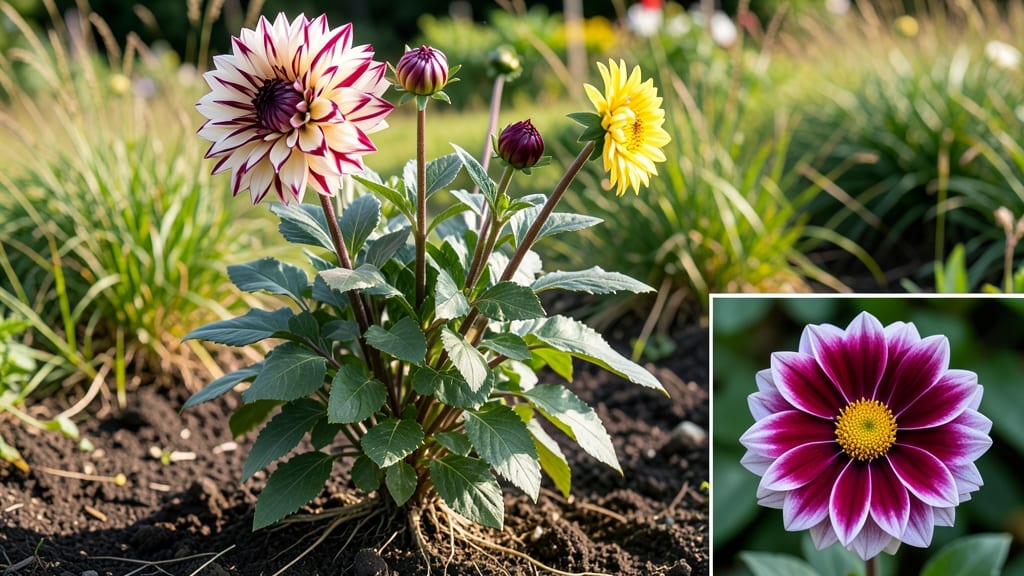
Dahlias can bloom all summer long when grown in warm climates or with the right care, usually starting in mid-summer and continuing until frost arrives. Some varieties may even begin flowering as early as June, with bloom length and intensity depending on the type, sunlight exposure, and soil conditions.
This extended flowering isn't just luck—it's science! 🌸 Dahlias are heavy bloomers by nature, and their season length depends heavily on your growing zone.
In warmer regions like USDA zones 8-11, they'll often bloom continuously from June through October, while cooler climates may see shorter seasons unless you take extra care. I've found that deadheading (removing spent blooms) and consistent fertilizing can push some varieties to produce flowers for three months straight or longer.
The key is choosing the right varieties for your climate and giving them the proper growing conditions.
What many gardeners don't realize is that some dahlia types are bred specifically for early or late blooming. For instance, cactus dahlias often start flowering earlier in the season, while dinnerplate varieties might hold off until mid-summer but then produce massive blooms that last weeks.
The secret to maximizing your blooms lies in understanding your local frost dates and selecting varieties that align with your growing season.
💡 In This Article
- Dahlia Bloom Seasons by Variety Type
- Extending Dahlia Blooms: Care Tips for Longer Seasons
Dahlia bloom seasons by variety type
The answer to whether dahlias bloom all summer depends entirely on the variety you choose.
Tuberous dahlias—by far the most common type—typically produce their first blooms in mid-to-late summer, around July-August in most climates, but some early varieties like 'Café au Lait' can begin flowering as early as June.
The key difference lies in their growth habits: early bloomers like cactus dahlias develop buds quickly but may produce smaller flowers, while late-season varieties like dinnerplate dahlias focus energy on fewer but larger blooms that appear later.
Cactus dahlias are the early-season champions, often starting their bloom cycle 2-3 weeks sooner than other types. Their spiky petals and vibrant colors make them popular for cutting gardens, but they also have a shorter peak bloom period—typically 4-6 weeks—unless you're in a frost-free zone.
On the opposite end, dinnerplate dahlias (like 'Arabian Night') may take until mid-August to show their first buds but then produce 10-inch-wide blooms that last 7-10 days each before needing deadheading. 🌸 The secret is matching your variety to your last frost date: in zone 7, aim for varieties with a 90-110 day maturity window.
Climate plays a massive role in bloom duration. In warm zones (8-11), dahlias can flower continuously from June through October, while in cooler zones (5-6), they may only bloom for 6-8 weeks unless you use black plastic mulch to warm the soil.
I've seen 'Thomas Edison' dahlias produce 150+ blooms per season in zone 9, but the same variety in zone 5 might only yield 30-40 without winter protection. The reason? Cooler nights trigger dahlias' natural dormancy cycle, shortening their active growth period.
What most gardeners miss is that some varieties are bred specifically for extended seasons. For example, 'Karma Choc' is a late-season variety that continues blooming well into October in warm climates, while 'Bishop' is an early bloomer that thrives in short-season gardens.
The difference comes down to their genetic programming: early varieties prioritize quick bud formation, while late bloomers allocate energy to root development first, then flower production. This is why your local nursery's recommendations should always include both bloom time and frost tolerance.
Light exposure also affects bloom duration. Dahlias need 6-8 hours of direct sunlight daily to produce their best flowers, but too much afternoon sun in hot climates can cause buds to blister or fail to open.
In my zone 8 garden, I've found that morning sun with afternoon shade extends bloom seasons by 2-3 weeks compared to full-sun plantings. The trade-off? Shaded dahlias may produce slightly smaller blooms but maintain color vibrancy longer.
For the longest possible bloom season, consider planting a mix of early, mid, and late varieties. This staggered approach ensures continuous color from June through November in warm climates.
For example, pair 'Café au Lait' (early) with 'Arabian Night' (mid) and 'Thomas Edison' (late) to create a 12-week non-stop display. The science behind this works because each variety has a different flowering node development rate, preventing all blooms from opening simultaneously. 💫