
Blooming
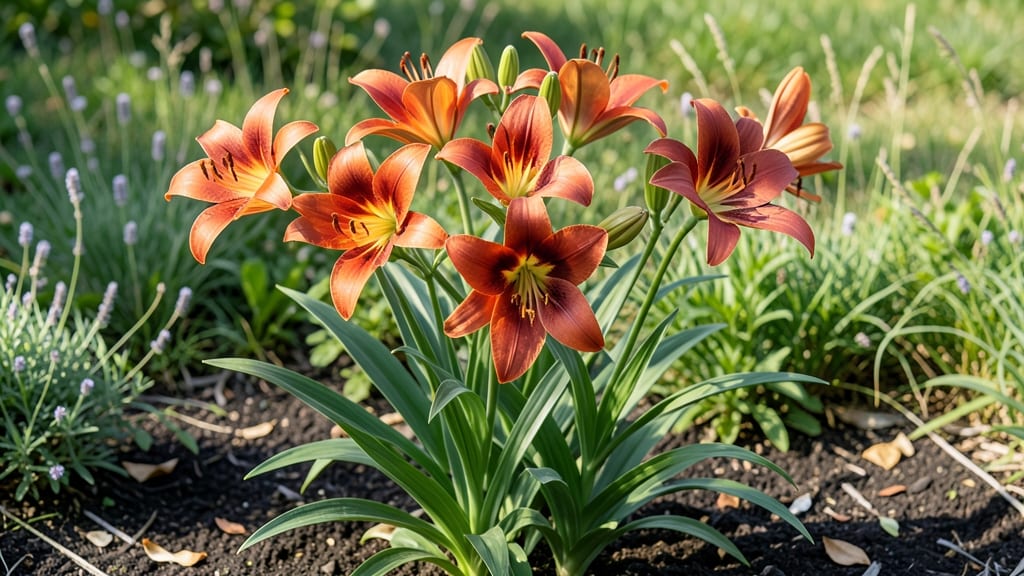
Lilies bloom in mid to late summer 🌸 — but the exact timing depends on your variety and climate zone, which can shift their show by weeks.
Picture this: you’ve just planted your bulbs in late spring, dreaming of those bold, fragrant blooms. Then reality hits—some lilies open in June, others wait until August, and a few stubborn ones never seem to cooperate. The key? Knowing your lilies’ personalities and giving them the right conditions to shine.
From Asiatic lilies that burst into color early to Trumpet varieties that reward patience with dramatic late-summer displays, each type has its own schedule. Throw in your local frost dates, soil quality, and sunlight, and suddenly, bloom time becomes less about luck and more about strategy.
Here’s what you’ll discover: the best months to expect flowers for your favorite varieties, how to adjust for your zone, and the simple tweaks that turn "maybe" blooms into a reliable summer spectacle.
Lilies bloom time by variety: when to expect flowers
Lilies are one of the most rewarding flowers to grow, but their bloom times vary dramatically based on the variety.
Whether you're planting Asian lilies for early summer color or Oriental lilies for late-season drama, knowing when to expect those stunning blooms helps you plan your garden layout and enjoy peak performance.
Most lilies bloom between mid-summer and early fall, but some varieties push the boundaries earlier or later in the season.
Understanding these bloom windows also helps you choose companion plants that will complement your lilies throughout the growing season. For example, pairing early-blooming Trumpet lilies with late-spring bulbs like tulips creates a seamless transition from spring to summer. Meanwhile, late-season Martagon lilies can extend your garden's interest well into autumn.
Below is a detailed breakdown of bloom times for the most popular lily varieties, including visual cues to help you identify them in your garden. These timelines assume USDA Zone 6 conditions—adjust expectations by 2-4 weeks earlier or later depending on your climate zone.
| Variety | Bloom Period | Height | Color Palette | Key Identification |
|---|---|---|---|---|
| Asian Lilies | Early to mid-summer (June-July) | 2-4 ft | Bright pinks, oranges, yellows, reds, whites | Smooth petals, upward-facing blooms, fragrant |
| Oriental Lilies | Mid to late summer (July-August) | 3-6 ft | Deep pinks, whites, purples, burgundy | Large, ruffled petals, highly fragrant, nodding blooms |
| Trumpet Lilies | Mid-summer (July) | 4-6 ft | Vibrant reds, pinks, yellows, whites | Long, trumpet-shaped flowers, deer-resistant |
| Martagon Lilies (Turk's Cap) | Late summer to early fall (August-September) | 2-4 ft | Soft pinks, whites, yellows, lavender | Nodding, cup-shaped flowers, deer-resistant |
| Stargazer Lilies | Late summer (August) | 3-5 ft | Bright pink with white center, highly fragrant | Star-shaped blooms, intense fragrance, upward-facing |
If you're planting Asian lilies in your garden, expect their vibrant blooms to appear as early as June, making them perfect for filling the gap between spring bulbs and summer annuals.
These varieties are also the most disease-resistant and thrive in full sun, which helps them bloom earlier than other types. Look for bright pink 'Stargazer' or orange 'Tiger' varieties for a bold splash of color.
For those who love late-season interest, Martagon lilies and Oriental hybrids deliver stunning blooms well into September. These varieties often bloom when many other perennials have finished, extending your garden's seasonal display.
The fragrance of Oriental lilies, like the popular 'Siberia' or 'Casa Blanca', is particularly intoxicating in the evening hours.
Timing your planting correctly can also influence bloom times. Most lily bulbs should be planted in late spring or early summer (after the last frost) for first-year blooms. However, if you plant in fall, they may take longer to establish but often produce larger blooms the following year.
For Trumpet lilies, which are particularly heat-tolerant, fall planting can help them establish roots before summer's intensity.
One of my favorite tricks for encouraging earlier blooms is to plant Asian lilies in a south-facing border where they receive maximum sunlight. This extra light can push their bloom time forward by 1-2 weeks.
Additionally, providing a balanced fertilizer (like 10-10-10) in early spring gives lilies the nutrients they need to produce strong stems and abundant blooms on time.
If you're growing Stargazer lilies, be prepared for their intense fragrance—it's one of the
How climate zones affect lily bloom time and planting tips
Your climate zone plays a huge role in when your lilies bloom. In colder regions like USDA Zone 3-5, lilies often wait until late June or July to flower, while warmer zones like Zone 8-10 may see blooms as early as May.
Understanding these patterns helps you choose the right lily varieties and time your planting for stunning summer displays.
Frost-sensitive varieties like Oriental lilies need extra care in northern climates. Heat-tolerant types such as Asiatic lilies thrive in southern zones but may struggle with summer heat if not given proper watering and shade.
Let’s break down how to adjust your planting schedule based on your zone for the best bloom timing.
Zone 3-5 (Cold Climates)
Plant bulbs in late spring (May-June) after frost. Expect blooms late July-August. Use hardy varieties like Martagon lilies.
Zone 6-7 (Temperate)
Plant in early spring (April) or fall. Blooms appear June-July. Ideal for Trumpet lilies and Stargazer lilies.
Zone 8-10 (Warm Climates)
Plant in fall (October-November) for May-June blooms. Choose heat-tolerant Asiatic lilies and provide afternoon shade.
All Zones: Key Tips
Plant bulbs 6-8 inches deep in well-draining soil. Mulch to protect roots and extend bloom season.
In USDA Zone 3-5, where winters are harsh, I recommend planting lily bulbs in late spring after the last frost. This gives them time to establish roots before summer heat arrives. Martagon lilies are my top pick for these zones—they’re frost-resistant and bloom reliably even in cooler summers.
For gardeners in Zone 6-7, early spring planting (March-April) works best. These temperate zones offer a perfect balance, allowing Trumpet lilies and Oriental lilies to bloom from June through August. I always add a layer of compost-rich mulch to keep soil temperatures stable and encourage strong root growth.
Southern gardeners in Zone 8-10 have the advantage of longer growing seasons. Planting in fall (October-November) ensures early May blooms. However, heat can stress lilies, so I recommend providing afternoon shade and increasing watering frequency during peak summer months to prevent wilting.
No matter your zone, always choose lily varieties suited to your climate. For example, Asiatic lilies thrive in heat, while Oriental lilies prefer cooler summers. With the right variety and timing, you’ll enjoy vibrant blooms from early summer to fall! 🌸