
Blooming
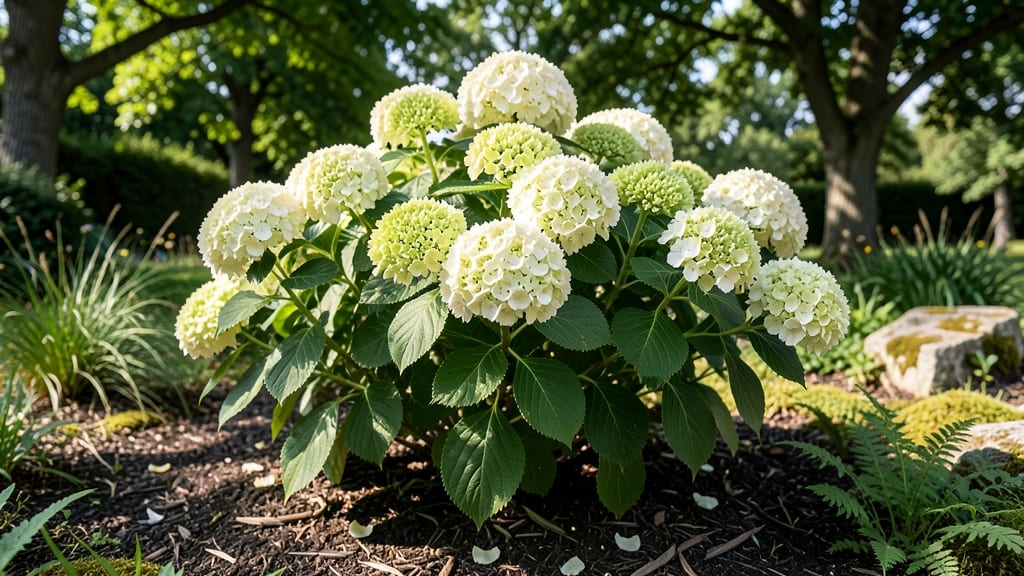
Hydrangeas bloom in late spring to summer—but the exact timing depends on your variety and climate zone, not just the calendar.
If you’ve ever waited months for your hydrangeas to burst into color—only to be disappointed by sparse blooms—you’re not alone. The secret lies in understanding your climate zone and when hydrangeas actually bloom, not just what the seed packet promises.
For example, mophead hydrangeas (🌸 Hydrangea macrophylla) typically bloom from June to September, while panicle types like Hydrangea paniculata shine from late summer to fall.
In USDA Zone 6a, like many gardens, blooms often start in mid-June—but in warmer zones, they can arrive as early as May or stretch into October.
In this guide, I’ll break down the bloom windows for each variety, how to adjust care for early or late bloomers, and three pro tips to extend your hydrangea’s show—no matter where you garden.
When do hydrangeas bloom? A month-by-month guide by type
Hydrangeas are famous for their show-stopping blooms, but their timing varies wildly by type and climate zone. Some varieties burst into color in early summer, while others wait until fall. Knowing your hydrangea’s bloom window helps you plan for peak color and avoid disappointment.
Let’s break down the month-by-month schedule for the three most popular types: mophead (macrophylla), panicle (paniculata), and oakleaf (arborescens).
Your USDA hardiness zone shifts bloom times dramatically. For example, a Zone 3 oakleaf hydrangea might bloom in June, while the same variety in Zone 9 could wait until August.
Below, we’ll map out exact bloom windows for each type, so you can time your care—like pruning or fertilizing—for maximum impact. Pro tip: Reblooming varieties (like 'Endless Summer' mopheads) need late-summer deadheading to extend their season.
🌸 Key Takeaway: Most hydrangeas bloom on old wood (last year’s growth), except panicle types, which bloom on new wood. This affects when—and how—you should prune. Let’s dive into the month-by-month breakdown so you can predict and prolong your hydrangea’s glory.
If you’re in Zone 6–8, your mophead hydrangeas likely peak in July, while panicle types shine in September. This overlap lets you stagger blooms for a longer color show.
For example, plant 'Limelight' (paniculata) alongside 'Nikko Blue' (macrophylla) to enjoy blooms from June through October. In warmer zones (9–10), panicle hydrangeas like 'Little Lime' often bloom until November, giving you late-season drama.
In cooler zones (3–5), hydrangeas bloom earlier due to shorter growing seasons. Your oakleaf varieties might finish by early August, while mopheads could fade by September. To extend their season, choose early-blooming panicle types like 'Grandiflora', which tolerates late frosts better than mopheads.
Mulch heavily in fall to protect roots and encourage reblooming buds the following spring.
Did you know? <
How climate zones delay or speed up hydrangea blooms (and how to adjust)
Your USDA climate zone is the hidden factor controlling when your hydrangeas bloom. In Zone 3, expect blooms as early as late May to June, while Zone 9 gardeners might wait until July or August—a 6-week difference!
This shift happens because colder zones force plants into dormancy earlier, while warmer zones delay bud formation until heat breaks.
For example, my mophead hydrangeas in Zone 7 typically bloom in June, but a neighbor in Zone 9 with the same variety sees flowers in late July. The panicle hydrangeas, however, often bloom 2–4 weeks later than mopheads in all zones, thanks to their later bud set.
To adjust for late blooms, try heat-tolerant varieties like 'Limelight' or 'Little Lime' panicle hydrangeas, which thrive in Zones 4–9 and often bloom 2 weeks later than standard types.
For early blooms, opt for oakleaf hydrangeas, which flower on old wood and may bloom as early as May in Zone 5.
Your pruning timing also shifts with zones. In Zones 3–6, prune mophead hydrangeas right after blooming (late summer) to avoid cutting off next year’s buds. But in Zones 7–10, you can prune in early spring because the heat encourages reblooming on new growth.
For winter protection, mulch heavily in Zones 3–5 (3–4 inches of mulch) to insulate roots, while Zones 8–10 may need shade cloth in peak summer to prevent bud drop from heat stress. I’ve seen Zone 9 hydrangeas lose buds entirely when temps hit 95°F+ without afternoon shade.
Pro tip: If your hydrangeas bloom too early (like in Zone 3), try delayed pruning until late June to push blooms into July. For late bloomers, fertilize with high-phosphorus food in early summer to encourage late-season buds. 🌸