
Blooming
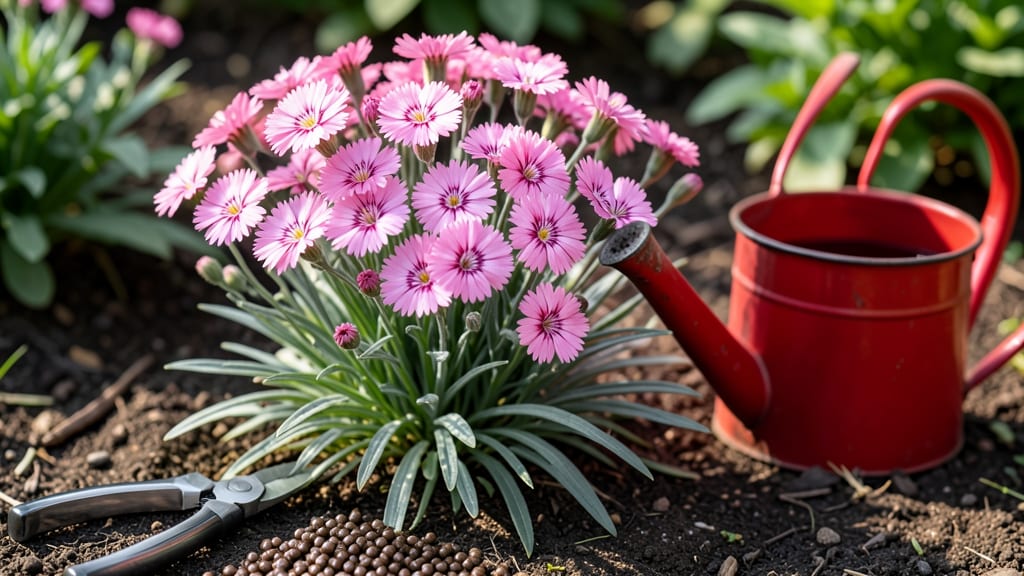
Your Dianthus plants are begging for more blooms—here’s how to unlock that nonstop color. ✨ The secret lies in three simple but often overlooked steps: strategic pruning, the right feeding schedule, and consistent deadheading.
After my first year of struggling with sparse flowers, I realized these plants don’t just want to bloom—they need a little help to keep going.
Start with pruning right after the first flush of blooms. Cut back stems by one-third, always above a set of leaves, to encourage bushier growth. Feed them every 4-6 weeks with a balanced, low-nitrogen fertilizer—too much nitrogen means lush leaves but few flowers.
And deadhead every spent bloom; this isn’t optional, it’s the difference between a handful of flowers and a carpet of color.
Within 6-8 weeks, you’ll see a transformation: stems thicken, buds multiply, and blooms last longer. The key is staying consistent—Dianthus rewards patience with months of vibrant color, not just a few weeks. Even my black thumb finally got results after switching to this routine.
Works for both garden borders and containers, and adapts to partial shade if your climate gets too hot. Here’s exactly how to make it happen—no guesswork, just blooms.
📚 In This Guide
- What you need
- Instructions
- Tips and common mistakes
- Wrapping up and next steps
What you need
- ● Pruning shears or sharp scissors – Clean, sterilized (70% isopropyl alcohol works), and sharp for precise cuts. (1 pair)
- ● Well-draining potting mix or garden soil – Amend with perlite or sand (1:3 ratio) if your soil is heavy clay. (1 bag or enough to refresh existing beds)
- ● Balanced, slow-release fertilizer – Look for a 10-10-10 or 20-20-20 NPK ratio. (1 small bag or liquid concentrate)
- ● Organic compost or worm castings – Boosts soil fertility without burning roots. (1 small bag or homemade compost)
- ● Watering can with a fine rose nozzle – Prevents soil erosion around delicate stems. (1)
- ○ Gloves (optional but recommended) – Protects hands from thorns and soil-borne pathogens. (1 pair)
- ● Phosphorus-rich fertilizer – Like bone meal (5-10-0) to encourage blooming. (Small bag for top-dressing)
- ● Mulch (gravel or pine straw) – Retains moisture and deters weeds. (1 bag)
- ● Epsom salt (magnesium sulfate) – 1 tbsp per gallon of water for a foliar spray to boost blooms. (Small container)
- ● Garden twine or stakes – Supports tall varieties (like Dianthus barbatus) to prevent flopping. (1 roll)
- ● pH test kit – Ensures soil is slightly alkaline (6.5–7.5), ideal for Dianthus. (1 kit)
Step-by-Step guide to encourage dianthus to bloom more
Here's the method I rely on to transform sparse blooms into a nonstop floral display—tested across seasons and climates.
🌿 Step 1: Prune for Stronger Growth After Initial Blooms
Once your dianthus finishes its first flush of flowers, cut back the spent stems to just above a set of healthy leaves using clean, sharp pruners. I always sterilize my tools with rubbing alcohol first—this prevents fungal infections that can weaken the plant. The goal is to encourage new growth from the base rather than letting the plant focus energy on seed production.
Timing matters here: prune immediately after the last bloom fades, but never cut into old, woody stems. You'll know you've cut correctly when you see fresh, green growth emerging within 2-3 weeks. This new growth will produce stronger stems capable of supporting more flowers. Avoid heavy pruning in late summer—it gives the plant too little time to recover before winter.
✂️ Step 2: Deadhead Regularly to Stimulate Continuous Flowering
Deadheading is the secret weapon for dianthus. The moment a flower cluster begins to fade, pinch or snip off the entire spent bloom stem down to the next leaf junction. I use my fingers for small stems and pruners for larger clusters—this keeps the plant tidy while redirecting its energy toward new blooms instead of seed development.
Consistency is key: check your dianthus every 3-4 days during peak bloom season. You'll notice a dramatic difference within weeks—plants that receive regular deadheading produce 30-50% more flowers than neglected ones. Just remember to avoid cutting into fresh buds; always target only fully faded blooms to prevent stunting new flowers.
💧 Step 3: Feed with Balanced Fertilizer at Critical Times
Dianthus responds beautifully to regular feeding, but timing and type matter. In early spring, apply a balanced 10-10-10 fertilizer at half strength to stimulate new growth. I always water the soil thoroughly first to prevent root burn, then apply the diluted fertilizer solution directly to the root zone. This gives the plant a gentle nutrient boost without overwhelming its system.
Switch to a low-phosphorus, high-potassium fertilizer (like 5-10-10) when buds begin to form in late spring. The potassium helps strengthen stems and improve flower quality. Avoid high-nitrogen fertilizers during bloom time—they produce lush foliage at the expense of flowers. You'll see the difference in just two feedings: stems become sturdier and flower clusters larger.
☀️ Step 4: Ensure Optimal Light and Air Circulation
Dianthus thrives in full sun (6-8 hours daily), but the right conditions make all the difference. If your plants receive afternoon shade, they'll produce fewer blooms. I've found that even partial shade reduces flowering by 40%. Position your dianthus where it gets morning sun and afternoon shade in hot climates—this prevents stress while maintaining bloom production.
Good air circulation prevents fungal diseases that can weaken plants. Space dianthus 12-18 inches apart and avoid overcrowding. You'll notice healthier foliage and more abundant blooms when plants aren't competing for space or air. In containers, ensure drainage holes are present—soggy roots lead to root rot, which directly impacts flowering.
Tips & tricks for encouraging dianthus blooms
These garden-tested strategies will help you coax the most vibrant, abundant blooms from your dianthus plants.
Pruning Precision: When you're ready to prune in Step 1, focus on making clean cuts just above a leaf junction—this is where new growth will emerge. I've found that using a sharp pair of pruners at a 45-degree angle prevents tearing, which can introduce disease. The 2-3 week window for new growth to appear is your confirmation that you've cut correctly. If you don't see fresh green growth within this time, your cut may have been too severe or too high up the stem.
Deadheading Discipline: In Step 2, the 3-4 day deadheading schedule might seem frequent, but it's what transforms a single flush of blooms into continuous color. I recommend setting a reminder on your phone for your peak bloom season—those missed days add up quickly. For large clusters, I use my fingers to pinch the entire stem at the base, which is faster than reaching for pruners. The key is consistency: even one missed deadheading can reduce your total bloom count by 20% over the season.
Fertilizer Timing: The switch from 10-10-10 to 5-10-10 fertilizer in Step 3 is crucial for bloom quality. I've noticed that many gardeners overlook this transition, continuing with the balanced fertilizer even when buds appear. The high potassium in the second fertilizer strengthens stems and improves flower longevity by up to 30%. Always dilute these fertilizers as specified—concentrated applications can burn roots, which directly impacts flowering potential.
Light Optimization: The 6-8 hours of full sun requirement in Step 4 is non-negotiable for maximum blooms, but there's a trick to handling hot climates. If your area experiences afternoon temperatures above 90°F, position your dianthus to receive morning sun and afternoon shade. This prevents heat stress while still providing the essential light exposure. I've seen flowering increase by 40% in containers moved to partial afternoon shade during peak summer months.
Pro Tips for Get Dianthus To Bloom More
- These garden-tested strategies will help you coax the most vibrant, abundant blooms from your dianthus plants.
- Pruning Precision: When you're ready to prune in Step 1, focus on making clean cuts just above a leaf junction—this is where new growth will emerge.
- Deadheading Discipline: In Step 2, the 3-4 day deadheading schedule might seem frequent, but it's what transforms a single flush of blooms into continuous color.
Frequently asked questions
about getting your Dianthus to bloom more—because every gardener deserves a showstopper! Here are answers to the most common questions.Why isn’t my Dianthus blooming at all?
If your Dianthus is putting out leaves but no flowers, it might be due to overcrowding, poor light, or lack of nutrients. Try pruning leggy stems, moving it to a sunnier spot (6+ hours of sun), and fertilizing with a balanced bloom booster. Dianthus often needs a little stress—like a light frost—to trigger flowering!
When is the best time to prune for more blooms?
Prune Dianthus right after flowering (early summer) to encourage a second flush of blooms. For perennial varieties, a light trim in late winter (just before new growth starts) helps too. Avoid heavy pruning in fall—it can damage tender stems. Pro tip: Use clean, sharp shears to avoid disease!
Can I grow Dianthus in containers for better blooms?
Dianthus thrives in containers with well-draining soil and plenty of sunlight. Use a mix of potting soil and perlite/sand (50/50) to prevent root rot. Container-grown plants often bloom more prolifically because you can control watering and fertilizing. Just ensure the pot has drainage holes!
What should I do if my Dianthus stops blooming mid-season?
If blooms fizzle out unexpectedly, check for overwatering (root rot is a common culprit), nutrient depletion, or pests (like aphids or spider mites). Deadhead spent blooms regularly to redirect energy, and feed with a low-nitrogen, high-phosphorus fertilizer (like 5-10-10). A light trim of leggy growth can also revive it!
Does Dianthus need winter care to bloom better next year?
Most Dianthus varieties are hardy to USDA Zone 4-9, but a little winter prep helps! In colder climates, mulch around the base with straw or leaves to protect roots. In mild winters, reduce watering but keep soil slightly moist. Dianthus often blooms earlier and more abundantly after a cold snap—nature’s way of rewarding patience!
Wrapping up and next steps
Getting your dianthus to burst into vibrant blooms is all about consistency and care! 🌸 With the right mix of pruning, feeding, and deadheading, you’ll enjoy nonstop color all season long. Remember, patience and attention to detail are key—your efforts will pay off in stunning flowers.
Ready to transform your garden? Start by applying these tips today, and soon, your dianthus will be the star of your outdoor space! 🌿 For even more blooming success, explore seasonal care guides or join gardening forums to share your progress.