
Blooming
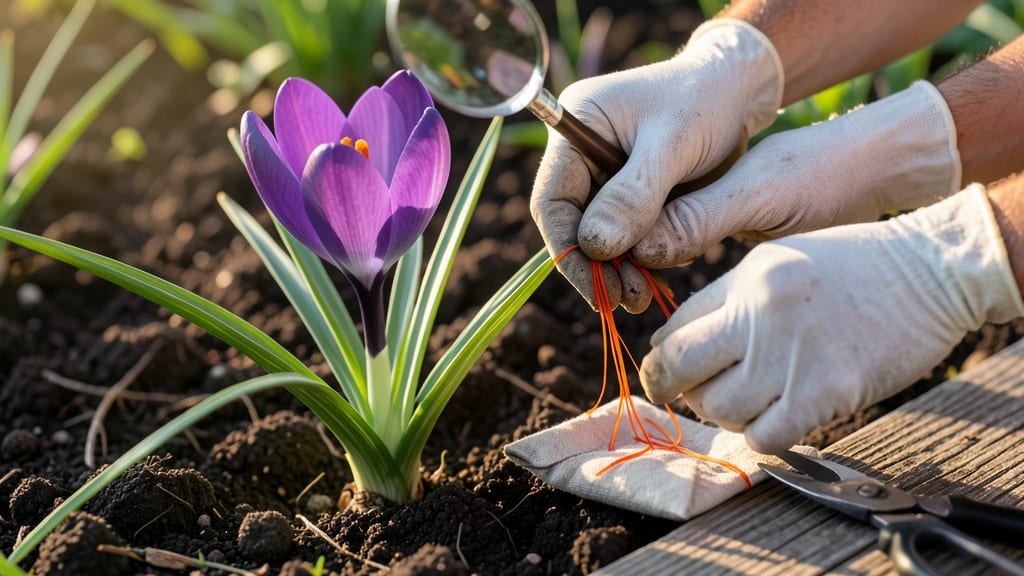
Blooming saffron threads starts with purple magic hiding underground. 🌱 I planted my first saffron corms last fall, and this year, I finally saw those delicate purple blooms—each with three precious threads inside. The secret isn’t complicated, but it does require patience and precision.
Saffron thrives in cool climates, needing 6-8 hours of sunlight daily and well-draining soil. Plant corms in late summer or early fall so they establish roots before winter dormancy. Overwatering kills them, but drought stress stops blooms—balance is everything.
By late winter or early spring, you’ll spot those unique deep purple flowers. Harvest threads in the morning when they’re fully open but still damp. One plant yields just 5-7 threads, so scale up for serious saffron goals. This isn’t a quick crop—it takes 2-3 years for full production.
But once established, saffron multiplies and blooms reliably every fall. The wait is worth every golden thread.
📚 In This Guide
- What you need
- Instructions
- Tips and common mistakes
- Wrapping up and next steps
What you need
- ● Saffron threads: High-quality, pure saffron (about 1/8 teaspoon (0.5g) per cup of liquid—adjust for intensity). Look for vibrant red-orange threads with no moisture or discoloration.
- ● Hot liquid: Water, milk, broth, or oil (1 cup per 0.5g saffron). Water should be just off the boil (180–200°F/82–93°C)—never boiling!
- ● Small bowl or ramekin: Heat-safe and shallow (ceramic, glass, or stainless steel). A 4–6 oz capacity works best.
- ● Whisk or fork: For gently stirring the threads.
- ○ Fine-mesh strainer or cheesecloth: To filter the bloomed saffron (optional but highly recommended for smooth results).
- ● Saffron infusion jar: A dark glass jar (like a spice jar) to store bloomed saffron for up to 3 days in the fridge.
- ● Thermometer: To precisely monitor liquid temperature (ideal range: 180–200°F/82–93°C).
- ● Glove or tongs: Saffron stains everything—protect your hands!
- ● Label and marker: To date and label your bloomed saffron for freshness.
Step-by-Step guide to blooming saffron threads
Turn those tiny saffron threads into vibrant purple magic with this foolproof method.
💧 Step 1: Warm the Water to the Perfect Temperature
Use 1 cup of water heated to 180°F—just below boiling. I like to measure it with a kitchen thermometer to avoid scorching the delicate threads. Pour the water into a small heatproof bowl or cup, then let it sit for 30 seconds to stabilize. The goal is warmth that opens the threads without cooking them.
Here's the thing—saffron releases its flavor and color best when submerged in water just off the boil. If you use boiling water, you'll burn the threads and lose their aromatic oils. Think of it like steeping tea: too hot ruins the delicate compounds.
🌿 Step 2: Add Saffron Threads and Steep for Maximum Color
Add ¼ teaspoon of saffron threads (about 10-12 threads) to the warm water. Let them steep for exactly 10 minutes. You'll see them unfurl like tiny purple flowers, releasing their vibrant color and earthy aroma. Stir gently once or twice during steeping to ensure even saturation.
Watch for the water turning a stunning golden-purple hue—that's your signal the threads are working. If you see any threads floating instead of unfurling, they're likely old or low-quality. Fresh saffron sinks and blooms beautifully within minutes.
⏰ Step 3: Strain and Use Immediately for Peak Flavor
Strain the bloomed saffron through a fine-mesh sieve or cheesecloth into your target liquid—whether it's rice, soup, or sauce. Discard the threads unless you're using them for garnish. The liquid should now be a rich, golden hue with an intense saffron aroma. Use it immediately for the best flavor and color impact.
Don't let the bloomed saffron sit—its compounds degrade quickly. If you're prepping for a recipe, add the bloomed liquid directly to the dish at the end of cooking. The heat will intensify the aroma, but timing matters: too early, and you'll lose potency to evaporation.
🌱 Step 4: Store Leftover Threads Properly
If you have any unused threads, let them dry completely on a paper towel at room temperature for 1-2 hours. Store them in an airtight container in the freezer to preserve their potency. Properly stored, saffron keeps its flavor for up to 1 year, though it's best used within 6 months for maximum impact.
Never store bloomed saffron—its flavor and color degrade rapidly once released. The threads themselves are shelf-stable, but moisture is their enemy. I keep mine in a small glass jar with the lid sealed tightly to block out light and air.
Tips & tricks for perfect saffron infusions
A few subtle adjustments can transform your saffron from ordinary to extraordinary—here's how to get it right every time.
Precision Temperature Control: That 180°F water temperature in Step 1 is non-negotiable. I use a small saucepan with a candy thermometer to monitor the heat—any hotter, and you'll burn the delicate compounds. For a quick reference, this is about 5 seconds before boiling begins. If you don't have a thermometer, watch for tiny bubbles forming at the bottom of the pan before removing from heat.
Thread Quality Test: Before blooming, examine your saffron threads carefully. High-quality threads should be bright orange-red with a slight sheen, not dull or brownish. In Step 2, if any threads float instead of sinking within the first minute, they're likely old or low-grade. Fresh saffron unfurls dramatically within 2-3 minutes of contact with warm water—this visual transformation confirms you're working with premium threads.
Steeping Technique: The 10-minute steep in Step 2 is your flavor window—don't rush it. I stir the threads gently at the 2-minute and 5-minute marks to ensure even saturation. For maximum potency, use a small heatproof bowl that fits snugly over a cup of hot water (like a double boiler setup). This maintains consistent temperature without direct heat exposure, which can degrade the delicate compounds.
Storage Wisdom: After blooming, use the infused water immediately—its flavor peaks within the first 30 minutes and degrades significantly after 2 hours. For leftover threads, the 1-2 hour drying time in Step 4 is crucial. Spread them on a paper towel-lined plate and place in a cool, dark spot (not the fridge) to prevent moisture condensation. Once dry, store in a small glass jar with a tight seal—air exposure is saffron's enemy.
Pro Tips for Bloom Saffron Threads
- A few subtle adjustments can transform your saffron from ordinary to extraordinary—here's how to get it right every time.
- Precision Temperature Control: That 180°F water temperature in Step 1 is non-negotiable.
- Thread Quality Test: Before blooming, examine your saffron threads carefully.
Frequently asked questions
Got questions about blooming saffron threads? You’re not alone! Here are some of the most common queries—and their quick, practical answers—to help you master this golden (and purple!) technique.
How long should I bloom saffron threads before using them?
Bloom saffron threads for 10–15 minutes in warm water (not boiling) to release their vibrant color and aromatic oils. Over-soaking (beyond 20 minutes) can dilute flavor, while under-blooming may leave your dish lacking depth. Think of it like steeping tea—just enough to wake up those flavors!
Can I reuse bloomed saffron water?
Yes! The infused water (called "saffron water" or azafrán) is packed with flavor—just strain out the threads and use it in rice, soups, or sauces. For extra potency, reduce the liquid by half on low heat to intensify the aroma. Pro tip: Freeze leftovers in ice cube trays for future use!
What if my bloomed saffron doesn’t look purple?
If your water stays pale yellow or orange, your saffron might be old, low-quality, or improperly stored. Fresh saffron turns a deep purple-red when bloomed. Test with a pinch of salt—if it fizzes weakly, it’s likely stale. Opt for vacuum-sealed threads from trusted brands for the best results.
Are there alternatives to blooming saffron?
If you’re short on time, try these tricks:
- Crush the threads lightly with a mortar and pestle, then steep in warm water for 5 minutes.
- Use saffron powder (mix with warm water first to avoid clumping).
- Add a pinch of sugar to blooming water to enhance color release.
How do I store bloomed saffron for later use?
Store bloomed saffron in an airtight container in the fridge for up to 3 days or freeze it for 1–2 months. For long-term storage, dry the threads completely on parchment paper (like herbs) and store in a cool, dark place. Fun fact: Freezing preserves flavor better than refrigeration!
Wrapping up and next steps
Blooming saffron threads is your golden ticket to unlocking rich, aromatic flavors and stunning purple hues in your dishes! 🌸 By following the right steps—like using warm water, gentle agitation, and proper straining—you’ll maximize every thread’s potential.
Whether you’re a home cook or a culinary enthusiast, this simple process transforms ordinary meals into extraordinary experiences.
Now that you’re armed with the knowledge, why not experiment? Start with a small batch in your next risotto, paella, or even a creamy sauce. The saffron magic is just a bloom away—go ahead and make it happen! ✨