
Blooming
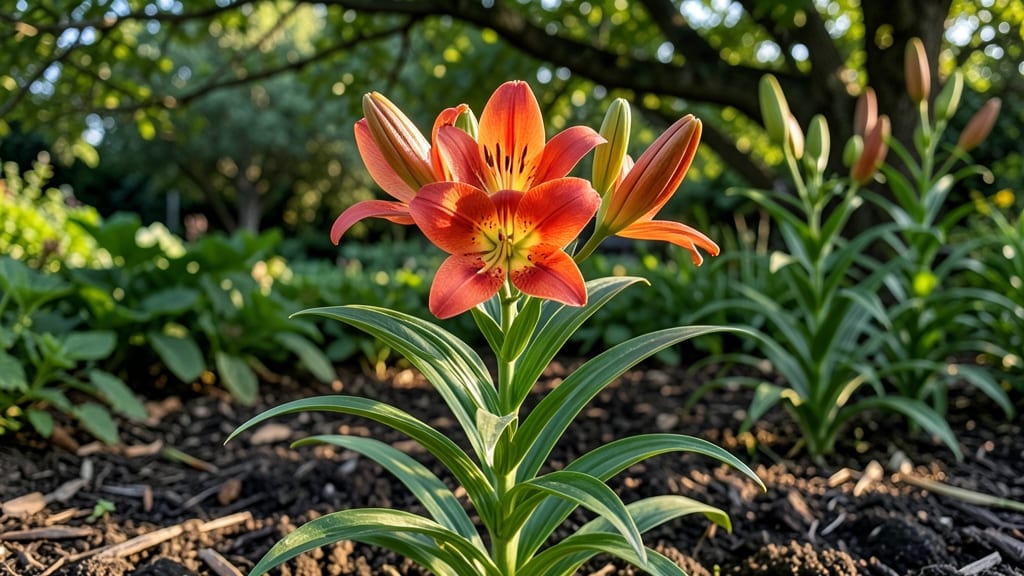
Lilies bloom how many times do lilies bloom a year in most temperate climates, with their showy flowers lasting 2-4 weeks during late spring to early summer, though tropical lily types can produce multiple blooms annually when given optimal growing conditions.
Most lilies follow nature's seasonal cues, with their single annual bloom triggered by daylight length and temperature shifts. 🌸 The 6-8 week flowering period occurs when days grow longer, but after blooming, lilies enter a dormancy phase that requires proper care to prepare for next year's show.
Tropical varieties like Stargazer lilies can sometimes rebloom if you maintain consistent moisture and nutrient levels throughout the growing season.
What many gardeners don't realize is that even single-blooming lilies can extend their display by up to 2 weeks with the right techniques. Removing spent blooms promptly and providing balanced fertilizer can encourage slightly longer flowering periods, though true annual reblooming remains rare outside tropical climates.
The key difference between temperate and tropical lilies lies in their genetic response to seasonal changes - tropical types evolved without harsh winters to break dormancy.
💡 In This Article
- Lily Bloom Cycles: Seasonal and Climatic Factors
- Tips to Encourage Multiple Blooms in Lilies
Lily bloom cycles: seasonal and climatic factors
The annual bloom cycle of lilies is primarily governed by photoperiodism—the plant's response to daylight duration. Most temperate lilies require 12-14 hours of daylight to trigger flowering, which typically occurs in late spring when days lengthen.
This photoperiodic response is hardwired into their genetics, explaining why they bloom just once per year in regions with distinct seasons. The process begins when bulb roots absorb cool spring temperatures (50-60°F), signaling the plant to break dormancy and initiate flower buds.
Climate zones play a crucial role in determining bloom frequency. In USDA Hardiness Zones 3-8, where winters are cold enough to force dormancy, lilies follow a strict one-bloom-per-year pattern. The cold period acts as a reset button, depleting stored energy reserves that must rebuild before next year's bloom.
Tropical lilies, however, evolved without this seasonal reset. Varieties like Casa Blanca or Stargazer can produce multiple blooms annually because they don't experience the same dormancy triggers, provided they receive consistent warmth (70-80°F) and moisture throughout the year.
The 2-4 week flowering window occurs when the plant allocates maximum energy to flower production, often at the expense of foliage growth. This is why you'll notice lilies developing lush leaves first—those leaves photosynthesize to fuel the upcoming bloom.
After flowering, the plant enters a critical recovery phase where it needs 6-8 weeks of undisturbed growth to rebuild energy stores in the bulb. This biological mechanism explains why forcing a second bloom through aggressive pruning or fertilizing often fails—it disrupts this essential recovery period.
Daylight hours also influence bloom timing. In northern latitudes, lilies may bloom 2-3 weeks later than their southern counterparts because they require longer daylight accumulation.
The vernalization process (cold treatment) further refines this timing, which is why gardeners in Zone 5 might see blooms in early June while Zone 7 gardeners enjoy them in May. This seasonal precision is why lilies have become garden staples—their reliable timing makes them dependable for seasonal displays.
One fascinating exception occurs with Asiatic hybrids, which sometimes produce secondary blooms on the same stem if the first flowers are removed promptly. This isn't true reblooming but rather a response to the plant's continued energy allocation.
The key difference is that these secondary blooms are smaller and less vigorous, demonstrating the plant's biological limits when pushed beyond its natural cycle. 🌿
For gardeners in transitional zones (like Zone 8), the challenge lies in mimicking tropical conditions. Using black landscape fabric to insulate bulbs during mild winters or providing artificial light supplements (14+ hours) can sometimes coax additional blooms, though results vary dramatically by variety.
The most reliable approach remains selecting known reblooming types and maintaining consistent growing conditions year-round.