
Flowers
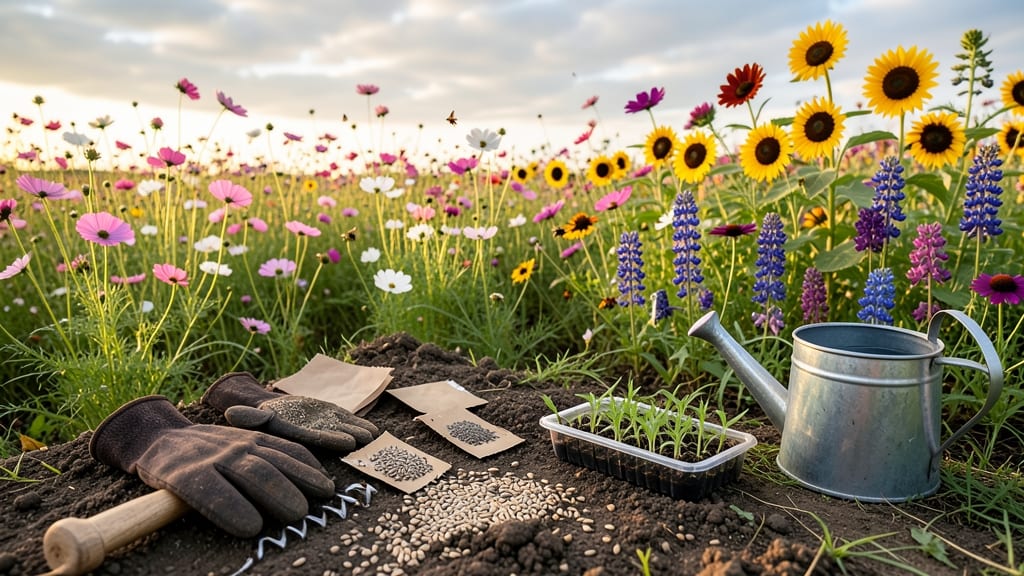
Wildflowers bloom from seed in anywhere from 30 days to nearly a year, depending on the variety — and knowing that timeline is the difference between a frustrated gardener and a seasonal showstopper.
Picture this: you scatter your seeds in early spring, water them faithfully, and then... nothing. Weeks pass, and you start to wonder if you even planted them right.
But here’s the secret: some wildflowers, like cosmos or zinnias, burst into color in just 60 days, while others, like foxglove or peonies, take two years to reward your patience. The key? Choosing the right mix for your timeline and climate.
If you’re eager to see color fast, annuals are your best bet — they’re designed to bloom quickly and then set seed for next year. Perennials, on the other hand, focus on building roots first, which means a longer wait but years of blooms afterward.
And don’t forget about your USDA Zone: frost dates can shift bloom times by weeks, even months.
Below, I’ll break down the exact bloom windows for fastest-blooming varieties, how to speed up germination, and when to plant for peak seasonal color. Whether you’re planning a spring garden or a late-summer meadow, you’ll know exactly what to expect — and when to expect it.

Wildflower bloom times by seed type: fast vs slow varieties
If you've ever wondered how long for wildflowers to bloom from seed, the answer depends entirely on the type of wildflower you're growing. Some varieties reward you with colorful blooms in just 30 days, while others require two full years of patience.
Understanding these timelines helps you plan your garden for maximum impact, whether you want quick summer color or long-term pollinator support.
Wildflowers are typically categorized into three main groups based on their lifespan and bloom timing: annuals, biennials, and perennials. Each group has distinct characteristics that affect how quickly—and how long—they'll flower.
For example, cosmos seeds might surprise you with blooms in 60 days, while foxglove seeds could take up to two years to reach their first flowering stage. Climate also plays a critical role, especially your frost-free dates.
Annual wildflowers complete their entire life cycle in one growing season, making them the fastest bloomers. Most annual varieties bloom between 30 to 90 days after sowing, depending on the species and growing conditions. These are perfect for gardeners eager to see instant results.
Biennials, on the other hand, take one to two years to flower, storing energy in their roots during the first year before producing blooms the following season.
Perennials are the long-term players, often taking one to three years to establish and flower, but they return year after year with minimal effort.
Your local climate significantly impacts bloom times. For instance, in USDA Zone 6a, where the last frost typically occurs around April 15, planting fast-blooming annuals in late spring ensures they’ll flower before the first frost in October.
In warmer climates, you might even get two blooming seasons from annuals if you plant early and late. Always check your frost-free days to align planting with the ideal bloom window.
Here’s a quick comparison of bloom times for popular wildflower types:
If you're eager to see immediate results, focus on annual wildflowers like cosmos or zinnias. These varieties are designed to bloom quickly, often within 60 days of planting, making them perfect for filling gaps in your garden or creating instant pollinator habitats.
For example, cosmos seeds sown in late spring typically produce their first blooms by early summer, just in time for pollinators to enjoy.
On the other hand, if you're planning a low-maintenance garden that rewards you year after year, invest in perennial wildflowers. While they may take up to three years to reach their full potential, they’ll return every season with minimal care.
For instance, black-eyed Susans might not bloom until their second year, but once established, they’ll thrive with little more than occasional watering and sunlight.
Climate is another critical factor in bloom timing. In cooler regions, biennials like foxglove may take longer to flower because they need a full growing season to store enough energy in their roots. In warmer climates, some biennials might even bloom in their first year if conditions are ideal.
Always consider your local frost dates when planning your wildflower garden to ensure you’re planting at the right time for optimal blooms.
For gardeners in USDA Zone 6a, like those in the Midwest or Northeast, timing is everything. Planting annual wildflowers in late spring (after the last frost) ensures they’ll bloom before the first frost in fall.
If you want a fall display, consider sowing late-summer annuals like cosmos or sunflowers in August for a vibrant autumn show. Biennials and perennials, however, should be planted in early fall or late spring to give them enough time to establish before their first bloom.
Understanding these timelines helps you create a balanced wildflower garden that offers color and pollinator support throughout the growing season.
Whether you're a patient gardener willing to wait for perennials or an impatient one craving instant gratification with annuals, knowing how long for wildflowers to bloom from seed ensures you’ll have the right expectations—and the most beautiful garden possible. 🌼
5 Pro tips to accelerate wildflower blooming from seed
If you're eager to see your wildflower meadow burst into color, the key lies in optimizing conditions for faster germination and growth. Many gardeners overlook simple techniques that can shave weeks—or even months—off the blooming timeline.
The secret often starts before the seed even hits the soil, with preparation that mimics natural processes.
Wildflowers thrive when you replicate their native growing conditions. For example, scarifying hard-coated seeds (like those from black-eyed Susans or coreopsis) with a light sanding or nicking mimics the abrasion they’d encounter in nature.
This breaks dormancy, allowing roots to emerge sooner. Even a simple soaking overnight can jumpstart germination for species like cosmos or zinnias.
Timing is everything. For spring-blooming wildflowers, sow seeds 4-6 weeks before your last frost date. Late summer plantings (August-September) often produce faster blooms the following year by avoiding winter stress. Use a moon planting guide for root crops or a seed packet’s specific instructions.
Loosen soil to a depth of 2-3 inches and mix in compost for nutrients. Wildflowers hate competition—remove weeds and till lightly. For clay-heavy soil, amend with sand or perlite to improve drainage. A light mulch layer retains moisture without suffocating seeds.
Most wildflowers need 6+ hours of direct sun daily. Choose a south-facing plot if possible. If your site is shady, opt for sun-loving annuals like zinnias or partial-shade tolerant perennials like columbine. Avoid planting near tall trees that cast dense shade.
Keep soil consistently moist (not soggy) until seeds germinate. Water deeply early in the morning to reduce fungal risks. Once sprouted, reduce frequency to every 7-10 days—wildflowers despise soggy roots. Drip irrigation or soaker hoses work best to avoid disturbing seedlings.
Pair wildflowers with nitrogen-fixing plants like clover or vetch to enrich soil naturally. Avoid planting near aggressive spreaders like mint, which can choke young seedlings. For pollinator-friendly blooms, interplant with basil or marigolds to deter pests while attracting bees.
With these five strategies, you’ll see faster germination and earlier blooms—sometimes cutting bloom times by 30-50%. For example, cosmos typically blooms in 60 days, but with scarified seeds and full sun, you might enjoy flowers in as little as 45 days.
The key is consistency: monitor soil moisture, protect young seedlings from pests, and resist the urge to fertilize heavily—wildflowers thrive in lean conditions.
For the fastest results, focus on annual species like sunflowers or marigolds, which often bloom in 30-60 days when conditions are ideal. Pair these with perennial favorites like coneflowers for long-term color. Happy planting—your future wildflower meadow will thank you! 🌻