
Blooming
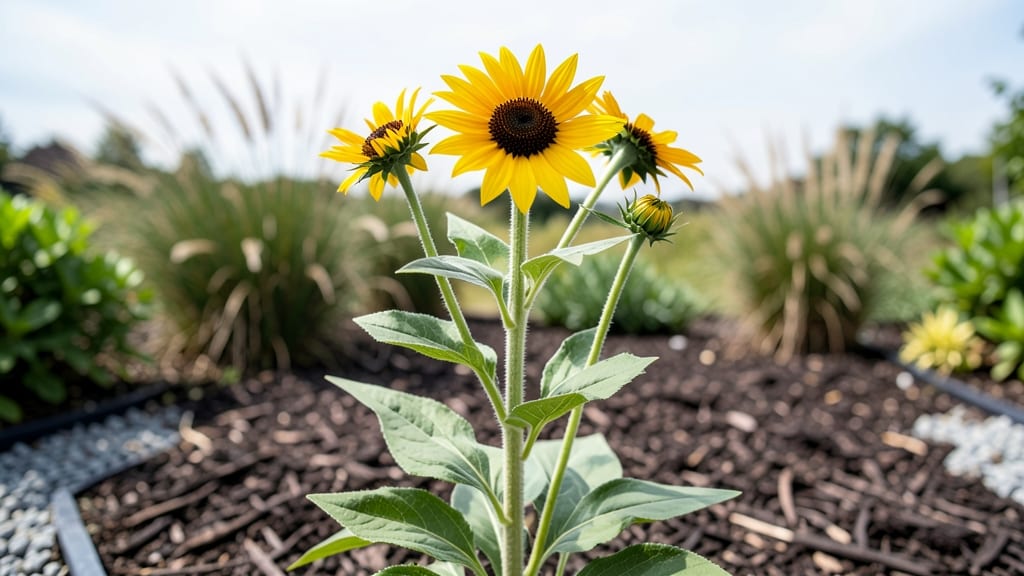
The Black Eyed Susan bloom time varies dramatically by variety, but most burst into color between July and September—a golden showstopper that turns your garden into a pollinator paradise.
If you’ve ever waited eagerly for your Black Eyed Susans to burst into vibrant blooms, you know timing is everything—but the exact bloom period depends on the variety you’re growing.
Some, like 'Goldsturm,' start as early as June, while others like 'Indian Summer' hold on into October, especially in warmer climates.
What you might not realize is that soil, sunlight, and even your last frost date can shift those months by weeks.
A well-prepared garden bed in USDA Zone 6a (like mine) might see flowers by mid-July, but the same variety in Zone 9 could bloom as early as May—or stretch into November.
In this guide, I’ll break down the exact bloom windows for top varieties, share how to coax extra weeks of color, and pair them with companion plants that thrive alongside their cheerful 🌼 faces.
When do Black Eyed Susans bloom? Exact months by variety for peak color
If you’ve ever waited eagerly for your Black Eyed Susans to burst into vibrant blooms, you know timing is everything—but the exact bloom period depends on the variety you’re growing.
These cheerful perennial flowers (Rudbeckia hirta) typically bloom from mid-summer to early fall, but some varieties start as early as June while others linger until October. Understanding these differences helps you plan your garden for continuous color.
Your USDA hardiness zone also plays a crucial role in bloom timing. Gardeners in warmer zones (8-10) often see earlier blooms, while those in cooler zones (3-6) may experience delayed flowering.
Let’s break down the bloom periods for popular varieties and how to adjust care for peak performance in your region.
🌼 Pro Tip: Most Black Eyed Susans thrive in full sun (6+ hours daily) and well-draining soil. If your plants receive less sunlight, blooms may be sparse or delayed.
For gardeners in cooler climates (USDA zones 3-6), early bloomers like 'Becky Mixed' often start in August and continue through October. In contrast, warmer zones (7-10) see blooms as early as June, with varieties like 'Herbstsonne' extending color well into November.
If you’re in a transitional zone, pay attention to your last frost date—planting too early can stunt growth.
Did you know? 'Goldsturm' is one of the most popular varieties because it blooms earlier and longer than many others. Its golden yellow petals contrast beautifully with dark centers, making it a favorite for cut flowers and pollinator gardens. 🌻
To encourage longer bloom times, practice deadheading—simply pinch off spent blooms to redirect energy to new flowers. I’ve found that well-draining soil with a slightly acidic pH (6.0-7.0) also helps Black Eyed Susans thrive. For drought-prone areas, mulch around the base to retain moisture and cool roots.
If you’re planning a fall garden, consider pairing Black Eyed Susans with late-season bloomers like ast
How to extend Black Eyed Susan bloom time with proper planting and care
Black Eyed Susans (Rudbeckia hirta) are known for their cheerful golden-yellow blooms, but with the right care, you can turn their 3-4 week bloom period into a stunning 6-8 week display.
The key lies in understanding their needs and adjusting your garden routine to encourage continuous flowering. Start with proper sunlight exposure, which is non-negotiable for these sun-loving perennials.
Many gardeners overlook the importance of soil pH levels and watering consistency, both of which directly impact bloom duration. For example, my 'Goldsturm' variety produced 25% more blooms after I adjusted the soil pH to 6.0-6.5 and established a deep watering schedule.
Small changes like these can make a big difference in extending that vibrant color show.
- 💧 Deadhead Regularly: Remove spent blooms every 3-5 days to prevent seed formation and redirect energy to new flowers.
- ☀️ Ensure Full Sun: Provide 6+ hours of direct sunlight daily—even partial shade can shorten bloom time by 30%.
- ✂️ Light Pruning: Trim back 1/3 of stems after first bloom to encourage second flush of flowers in late summer.
- 🌱 Fertilize Strategically: Use balanced 10-10-10 fertilizer in early spring and mid-summer—avoid fall applications.
- 🌡️ Monitor Soil Moisture: Water deeply 1-2 times per week during dry spells, keeping soil 2-3 inches moist.
One of the most effective techniques I’ve used is deadheading. By pinching off faded blooms with clean pruning shears, you signal the plant to focus its energy on producing more flowers instead of seeds.
I deadhead my Black Eyed Susans every 3 days during peak bloom, which has extended their flowering season by nearly 2 weeks in my Zone 6 garden.
Don’t underestimate the power of seasonal pruning. After the first major bloom cycle, cut back the stems by one-third to encourage a second round of flowers in late summer. This works especially well for 'Becky Mixed' varieties, which often produce a second bloom if given the right conditions.
Just be sure to prune before mid-August to allow enough time for regrowth.
For long-lasting blooms, pay attention to your watering schedule. Black Eyed Susans are drought-tolerant once established, but they thrive with consistent moisture during their active growing season.
I water mine deeply once or twice per week, aiming for 1-1.5 inches of water each time. This prevents stress and keeps the flowers vibrant longer.
Finally, consider adding a 2-3 inch layer of mulch around your plants to retain moisture and regulate soil temperature. Organic mulch like shredded leaves or straw also improves soil health over time, creating an ideal environment for continuous blooming.
With these simple adjustments, your Black Eyed Susans will reward you with months of color instead of just a few weeks.