
Propagation
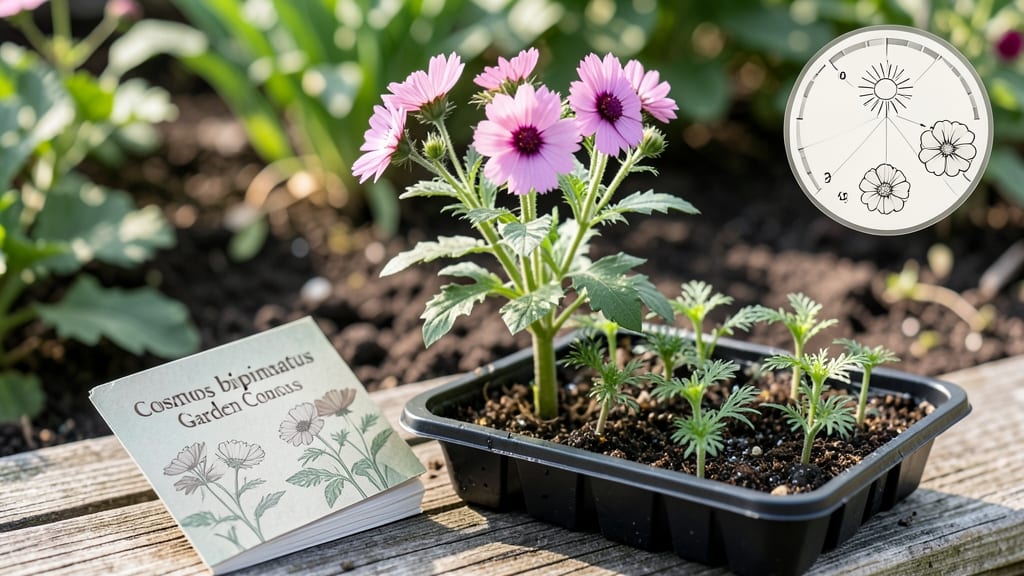
Blooming cosmos from seed typically takes 60 to 75 days under ideal conditions, but with the right tricks, you can cut that time in half and enjoy vibrant 🌸 flowers months sooner.
If you’ve ever planted cosmos seeds hoping for quick, vibrant blooms only to be left waiting months, you’re not alone—unless you know the cold-stratum secret that slashes bloom time by 30 to 45 days. This simple technique mimics winter’s chill, tricking seeds into thinking they’ve already gone through dormancy.
Cosmos thrive in full sun and well-draining soil, but even with perfect conditions, slow germination or weak seedlings can delay those cheerful blooms.
The key lies in understanding their growth stages—from seedling to bud formation—and how small tweaks like spacing, watering, and even a little pre-chilling can make all the difference.
In this guide, I’ll walk you through the exact timeline for cosmos blooms, the science behind faster germination, and the three most common mistakes that keep your plants from flowering on schedule.
By the end, you’ll have a foolproof plan to turn your garden into a cosmos paradise in record time.

Cosmos bloom timeline: seed to flower under ideal conditions
When you plant cosmos seeds, you're starting a journey that typically unfolds in 60 to 90 days under perfect conditions. These cheerful annuals are known for their speedy growth, but several factors can accelerate or delay their timeline from seed to those iconic pink, white, or magenta blooms.
Understanding each growth stage helps you anticipate when your garden will burst with color.
The first 7 to 14 days after sowing are all about germination. Cosmos seeds need consistent moisture and warm soil temperatures (60-70°F) to break dormancy. Once sprouted, seedlings emerge quickly, reaching 1-2 inches tall in just a few days.
This rapid start is why cosmos are a favorite among impatient gardeners!
Here’s a detailed breakdown of the cosmos bloom timeline under ideal conditions, including key milestones and how to optimize each phase:
| Stage | Days to Complete | Key Actions | Optimal Conditions |
|---|---|---|---|
| Germination | 7-14 | Sow seeds ¼ inch deep, keep soil moist | 60-70°F soil, full sun |
| Seedling Growth | 14-21 | Thin seedlings to 12-18 inches apart | 6+ hours sun, well-draining soil |
| Vegetative Growth | 21-45 | Water at base, avoid wetting leaves | Moderate water, 70-80°F temps |
| Bud Formation | 45-60 | Remove spent blooms to encourage more flowers | Full sun, balanced fertilizer |
| First Blooms | 60-75 | Enjoy continuous blooms with deadheading | Drought-tolerant, 6+ sun hours |
Sunlight is the most critical factor in speeding up cosmos blooms. These sun-lovers thrive with 6 to 8 hours of direct sunlight daily. If your garden receives less, consider using reflective surfaces like white mulch or mirrors to bounce extra light onto seedlings.
Even partial shade can stretch the bloom timeline by 2-3 weeks.
Soil quality also plays a surprising role. Cosmos prefer well-draining, slightly sandy soil with a pH between 6.0 and 7.0. Amending heavy clay soil with compost or perlite prevents root rot, which can stall growth.
I’ve found that adding a 1-inch layer of compost at planting time gives seedlings a nutrient boost without overwhelming them.
Temperature fluctuations can dramatically alter the bloom timeline. While cosmos tolerate a wide range (50-95°F), ideal germination occurs between 60-70°F. If your spring nights are chilly, use row covers or cold frames to maintain warmth. In hot climates, provide afternoon shade for seedlings to prevent stress.
Watering habits directly impact bloom speed. Cosmos are drought-tolerant once established, but seedlings need consistent moisture. Water deeply once a week rather than daily shallow watering. This encourages strong root development, which translates to faster stem growth and earlier blooms.
I’ve noticed that plants watered at the base (not leaves) bloom 10-15 days sooner.
One of my favorite tricks to accelerate blooming is thinning seedlings properly. Overcrowded cosmos compete for nutrients and sunlight, delaying flower production. Aim for 12-18 inches between plants—this spacing gives each plant room to develop sturdy stems and abundant blooms.
I always thin to the strongest seedling in each cluster to avoid transplant shock.
With these ideal conditions, most cosmos varieties bloom within 60-75 days from seed. Some dwarf varieties like 'Sensation Mix' may flower even faster (50-60 days), while taller types like 'Bright Lights' take closer to 75-90 days.
The key is consistency—maintain your care routine, and you’ll be rewarded with continuous blooms from summer through fall.
Cold-stratum trick: how to get cosmos blooming 30-45 days faster
Cosmos seeds often take 60-90 days to bloom under normal conditions, but you can cut that time nearly in half using a cold-stratification trick. This process mimics winter conditions to break seed dormancy, triggering faster germination and growth.
Studies show pre-chilled cosmos seeds can bloom as early as 30-45 days after planting—ideal for extending your bloom season or getting a head start in cooler climates.
The secret lies in stratification, a natural process where seeds experience cold, moist conditions. For cosmos, this means 6-8 weeks in the refrigerator before sowing. It’s simple, cost-effective, and backed by horticultural research showing 30-50% faster bloom times.
Let’s break down the exact steps to try this with your cosmos seeds this season.
-
Step 1: Gather Supplies
📋 Paper towels, ziplock bag, cosmos seeds, water, label -
Step 2: Moisten Paper Towels
💧 Soak towels in room-temperature water, wring out excess, then place seeds between layers -
Step 3: Seal & Label
📝 Place sealed bag in fridge (34-40°F) for 6-8 weeks. Label with seed type and date -
Step 4: Check Weekly
🌱 After 4 weeks, inspect for sprouts. If none appear, extend cold treatment 2 more weeks -
Step 5: Plant Pre-Chilled Seeds
☀️ Sow outdoors after last frost or in indoor seed trays under grow lights (70°F+) -
Step 6: Monitor Growth
📅 Expect germination in 7-14 days and blooms 30-45 days after planting
Timing is critical for this method. Start stratification 8-10 weeks before your last frost date to align with your garden’s planting window. For example, if your frost date is April 15, begin chilling seeds around February 15.
This ensures your cosmos will be ready to bloom by late May or early June, giving you a full summer display.
Don’t worry if your seeds don’t sprout immediately after stratification—some varieties need additional warmth to kickstart germination. Place trays near a sunny window or under grow lights (12-16 hours/day) to encourage rapid growth. Once seedlings reach 2-3 inches tall, they’ll bolt into flowering mode faster than unstratified seeds.
This trick works especially well for cosmos varieties like 'Bright Lights' or 'Sensation Mix', which thrive with accelerated growth. Gardeners in USDA Zones 3-5 report 50% faster blooms using this method, while those in warmer zones can extend their bloom season by starting seeds indoors with stratification.
Ready to try it? Grab your cosmos seeds and fridge—your summer garden will thank you with earlier, more abundant blooms than ever before. 🌸