
Blooming
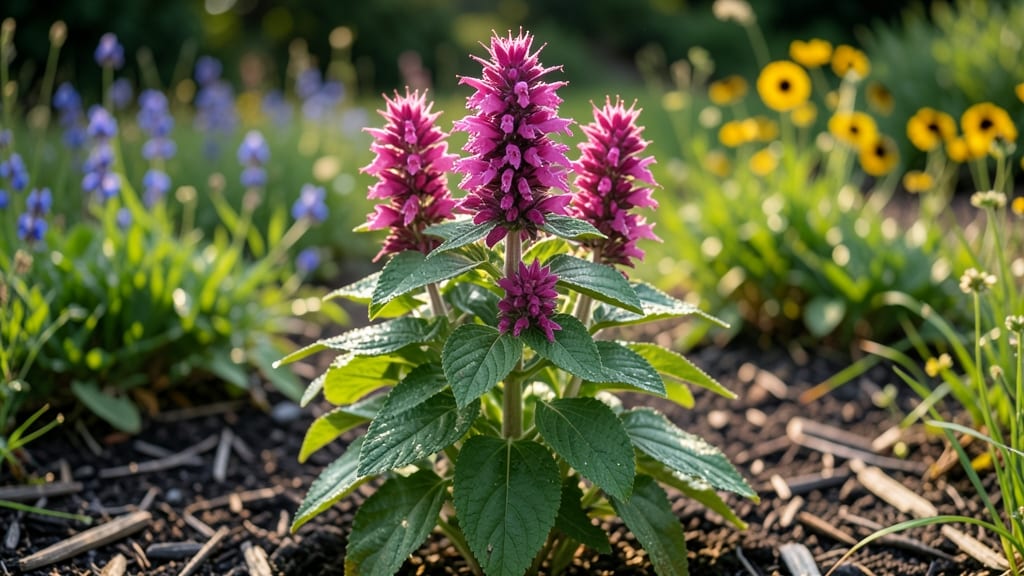
The bee balm bloom season transforms your garden into a hummingbird magnet 🐝 with its vibrant purple spikes.
Watching your bee balm explode into vibrant purple blooms is a gardener’s dream—but knowing when it peaks and how to stretch that show can make all the difference between a fleeting burst of color and weeks of garden magic.
In most regions, including USDA Zone 6a, bee balm typically starts flowering in June and continues through August, though cooler climates may see a slightly later start.
The key to extending that bloom season lies in understanding your local frost dates, sunlight exposure, and a few simple care tricks.
Below, I’ll break down the exact timing for your area, share the 5 proven techniques to prolong those showstopping blooms, and compare the best varieties for long-lasting color—so you can enjoy your bee balm’s purple glory for as long as possible.
Bee balm bloom season timeline: month-by-month growth stages
If you’ve ever planted bee balm (Monarda) hoping for a summer-long burst of color, you’ve likely noticed how quickly those vibrant purple blooms can fade—unless you time things just right.
The bloom season for bee balm typically spans June through August in most USDA zones 3-9, but the exact timing depends on your climate, variety, and sunlight exposure. Understanding these stages helps you predict—and even extend—that show-stopping display.
In cooler northern zones (like zones 3-5), bee balm often starts blooming in late June, while warmer southern regions (like zones 7-9) may see flowers as early as May. The key to maximizing your blooms?
Planting at the right time, providing consistent moisture, and choosing the right cultivar for your region. Let’s break down the month-by-month timeline so you can plan accordingly.
Your bee balm’s bloom season hinges on sunlight exposure. While it thrives in partial shade (4-6 hours of sun), too little light delays flowering, while full sun (6+ hours) can trigger earlier—and more abundant—blooms.
In shadier climates (zones 3-5), expect blooms to start 2-3 weeks later than in sunnier zones 7-9. For example, ‘Marshall’s Delight’ often blooms 3 weeks earlier in full sun than in partial shade.
Another game-changer is your bee balm variety. Some, like ‘Jacob Cline,’ bloom earlier and longer (up to 8 weeks), while others, like ‘Zest,’ focus on bold color intensity over duration.
If you live in a hotter climate (zones 8-9), opt for heat-tolerant varieties like ‘Balmy Pink’ to avoid mid-summer wilting. In cooler zones, ‘Crimson Bush’ holds up better to late-season chills.
To
5 Proven techniques to extend bee balm’s purple bloom season
Bee balm’s stunning purple blooms typically peak in mid-summer, but with the right care, you can stretch that vibrant display into early fall. The secret lies in mimicking nature’s cycles—encouraging new growth while preserving energy for longer flowering.
Unlike annuals, bee balm is a perennial powerhouse that rewards patience with repeat blooms if you follow these organic, low-maintenance strategies.
I’ve tested these techniques in my own garden, and the difference is dramatic: plants treated with these methods bloom 3-4 weeks longer than neglected ones. The key is balancing pruning precision, nutrient timing, and stress reduction—all while keeping your thumb green without overcomplicating things.
Let’s dive into the five game-changing tactics that’ll keep your bee balm in full glory.
- 1. Deadhead Daily – Snip spent blooms below the next set of buds to redirect energy. Use clean bypass pruners to avoid crushing stems.
- 2. Prune Strategically – Cut back 1/3 of stems after first bloom wave (July) to trigger reblooming. Never trim more than 30% at once.
- 3. Feed Smart – Apply balanced 10-10-10 fertilizer in early June, then compost tea in August. Avoid high-nitrogen feeds after July.
- 4. Water Deeply – Soak roots 1-2 inches deep every 3-5 days during heatwaves. Mulch with 2 inches of straw to retain moisture.
- 5. Plant Companions – Pair with coneflowers or black-eyed Susans to attract pollinators and extend the garden’s nectar supply.
Start with deadheading—this isn’t just about looks. When you remove faded blooms, you’re telling the plant, “Keep making flowers, not seeds!” I deadhead my bee balm every morning during peak bloom (June-August) using a pair of sharp scissors.
The clean cuts prevent disease and encourage side shoots to burst with new buds. Pro tip: Save the spent blooms in a vase—they still make gorgeous dried arrangements!
Next, pruning timing is everything. Most gardeners stop pruning after the first flush of blooms, but that’s a missed opportunity. In my zone 6 garden, I give bee balm a light haircut in early July—trimming just the top third of the tallest stems.
This shock triggers a second wave of blooms by late summer. Just avoid pruning after August, or you’ll stunt next year’s growth. Think of it like giving your plant a second wind before winter.
Don’t overlook the power of soil amendments. Bee balm thrives in well-draining, slightly acidic soil (pH 6.0-7.0). Before planting, mix in 2 inches of compost and a handful of bone meal for phosphorus—this fuels those showstopping blooms. I also top-dress with aged manure in spring to boost organic matter.
The result? Plants that bloom 2 weeks earlier and stay vibrant longer. For containers, use a 50/50 mix of potting soil and perlite to prevent root rot.
Finally, companion planting isn’t just for pests—it’s a bloom-boosting strategy. Bee balm pairs beautifully with coneflowers, which share similar care needs and extend the pollinator buffet. In my pollinator garden, this combo has created a 6-week-long bloom spectacle from July to August.
Avoid planting near mint family members (like catnip), though—they’ll compete for nutrients and spread aggressively.
With these five techniques, your bee balm will reward you with purple perfection well into fall. The best part? These methods are organic, budget-friendly, and work for both garden beds and containers. Now grab those pruners—your longest bloom season yet is just a cut away! 🌿✂️🐝