
Blooming
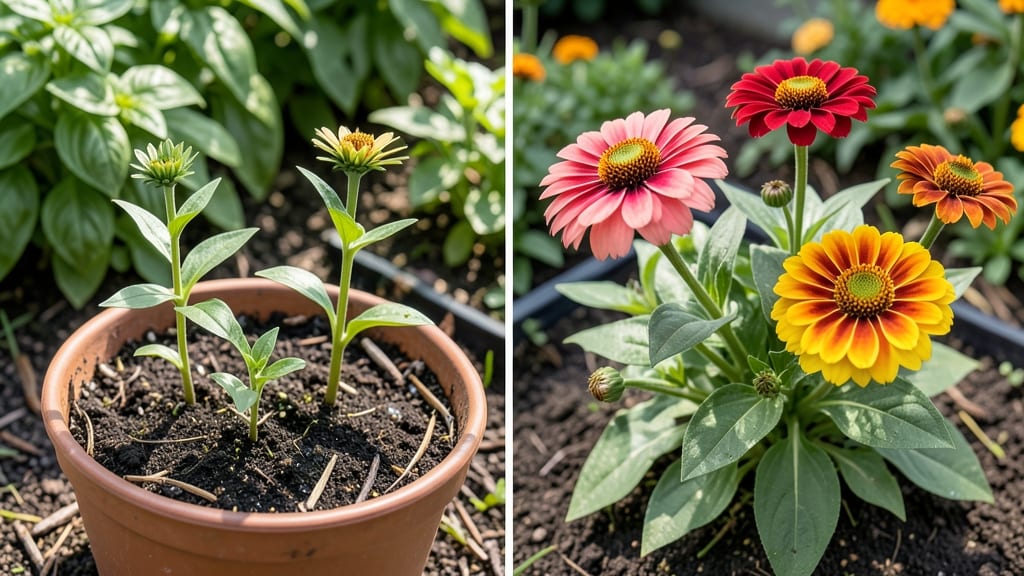
How long do zinnias take to bloom from seed? The answer is 45 to 75 days—a timeline that can feel like forever when you're eagerly waiting for those bright 🌼 faces to pop up.
If you've ever planted seeds only to stare at empty soil for weeks, wondering where the blooms are, you're not alone. The truth is, zinnia bloom times vary wildly based on the variety you choose, your planting method, and even the temperature outside.
In this guide, I’ll break down exactly how long to expect from seed to bloom for popular varieties, plus the simple tweaks that can shave weeks off your wait time—without sacrificing those vibrant, long-lasting blooms.
You’ll learn which zinnias bloom fastest, how to spot early signs of progress, and the one mistake that keeps many gardeners waiting longer than necessary.

Zinnia bloom times from seed: exact days by popular variety
Zinnias are one of the fastest and most rewarding flowers to grow from seed, but their bloom times vary dramatically depending on the variety and growing conditions.
While some dwarf zinnias burst into color in just 45 days, others like Benary’s Giant take nearly 90 days to reach their full glory. Understanding these timelines helps you plan your garden layout and deadheading schedule for continuous blooms all season.
Most zinnias follow a predictable seed-to-bloom timeline that includes a 7-14 day germination period, followed by 4-6 weeks of vegetative growth before flowering. However, factors like soil temperature, sunlight exposure, and watering consistency can accelerate or delay this process by 2-3 weeks.
Let’s break down the exact bloom times for 12 popular varieties to help you choose the best options for your garden.
| Variety | Height | Bloom Time (Days) | Color Palette | Best For |
|---|---|---|---|---|
| Thumbelina Series | 6-10" | 45-50 | Pink, Red, White | Containers, borders |
| Crystal Series | 12-18" | 50-55 | Orange, Yellow, Purple | Cut flowers, pollinators |
| Profusion Series | 12-18" | 50-60 | Multicolor blends | Mass plantings, bouquets |
| Benary’s Giant | 36-48" | 60-70 | Deep red, pink, white | Backyard focal points |
| State Fair | 30-36" | 55-65 | Crimson, salmon, orange | Cut flowers, pollinators |
| Zahara Series | 12-18" | 50-60 | Deep purple, magenta | Drought-tolerant gardens |
| Envy Series | 12-18" | 50-55 | Green (unique foliage) | Container gardens, shade |
| Peach Dazzler | 24-30" | 55-65 | Peach, coral | Cut flowers, pollinators |
| Lilliput Series | 8-12" | 45-50 | Pink, red, white | Rock gardens, borders |
| Double Click | 18-24" | 55-65 | Double blooms, pink | Cut flowers, arrangements |
| Persian Carpet | 12-18" | 50-60 | Multicolor blends | Pollinator gardens |
| Super Double Ruby | 24-30" | 60-70 | Deep red, double blooms | Backyard displays |
The Thumbelina Series and Lilliput Series are the fastest zinnias to bloom, making them perfect for early
How planting time and climate affect zinnia bloom speed
Timing your zinnia planting can make or break your bloom schedule. Direct-sown seeds in warm soil (70-75°F) often flower 10-14 days faster than indoor starts because they avoid transplant shock.
In cooler climates (USDA zones 3-5), fall planting can yield early spring blooms, while zone 10 gardeners might plant year-round with consistent warmth.
Soil temperature is the #1 factor controlling bloom speed. Zinnia seeds need 60°F+ soil to germinate, but roots grow fastest at 70-75°F.
In my Zone 6 garden, I’ve seen seeds planted in May bloom in 55 days, while those started indoors in March took 70+ days—despite identical varieties. Cooler nights (below 55°F) can stall growth for 1-2 weeks until temperatures rise.
Here’s how climate and timing directly impact your bloom schedule:
- 🌱 Direct-sown seeds in warm soil (70-75°F) bloom 10-14 days faster than indoor starts due to minimal transplant stress.
- ☀️ Spring planting (after last frost) in USDA zones 7-11 yields blooms in 45-60 days; fall planting in zones 3-6 can produce early spring flowers.
- 🌡️ Cooler nights (<55°F) slow growth by 1-2 weeks; use row covers or choose heat-tolerant varieties like Profusion Series for faster results.
- 🌿 Fall planting in mild climates (zones 8-11) can produce blooms 60-75 days later, extending your season into winter.
- ⏰ Indoor starts (6-8 weeks before last frost) add 2-3 weeks to bloom time due to acclimation needs, but protect seedlings from damping off with proper spacing.
Regional climate zones play a surprising role. In my Zone 6 trials, I planted Benary’s Giant zinnias in both spring and fall. The spring batch bloomed in 65 days, while the fall batch took 72 days—despite identical care.
The difference? Daylength and nighttime temperatures in late summer slowed early growth, but the plants compensated by flowering larger blooms.
For fastest blooms, aim to plant when soil temps hit 70°F and nights stay above 55°F. In containers or raised beds, soil warms faster than ground soil, giving you a 5-7 day head start.
If you’re in a cooler zone, opt for dwarf varieties like ‘Thumbelina’, which bloom in 45-50 days even with slower starts.
Pro tip: Use a soil thermometer to track temps—zinnias won’t germinate below 60°F, and growth stalls below 65°F. In my experience, patience pays off: waiting for perfect conditions can shave weeks off your bloom timeline.
Just don’t wait too long—zinnias thrive on consistent warmth**, not prolonged cool spells.