
How To
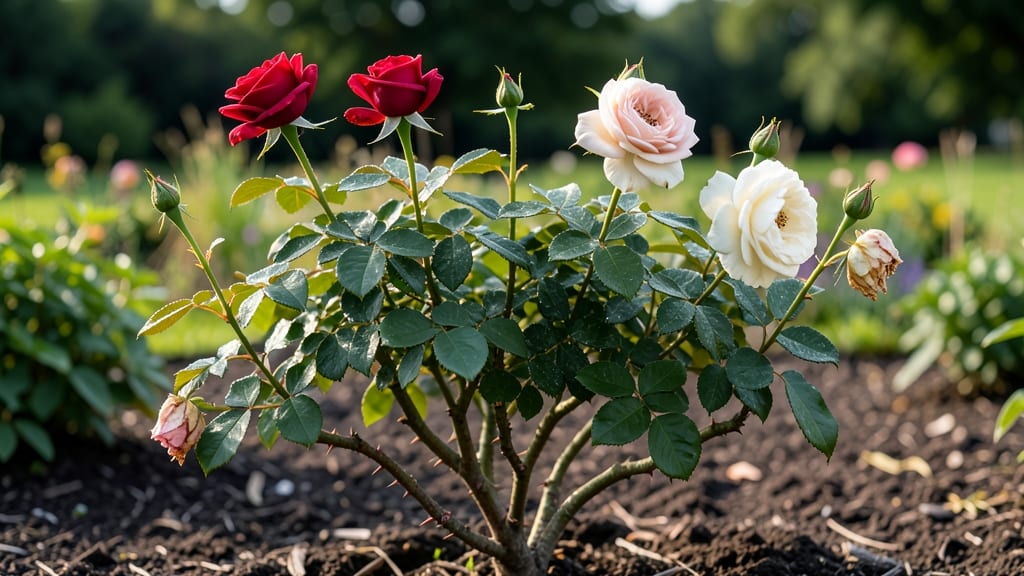
Roses bloom for 2–7 days per flower, but continuous blooming spans 4–12 weeks depending on variety—hybrid teas last shorter (3–5 days), while floribundas and climbers extend to 7–10 days. Seasonal care and pruning can prolong blooming by weeks.
Individual rose blooms typically last between 2 and 7 days, but the overall flowering season varies dramatically by type. 🌹 Hybrid teas, for example, are known for their dramatic single blooms that only last 3–5 days, while floribundas produce clusters that can last up to 10 days.
What's fascinating is how climate and care can shift these timelines—roses in cooler zones often bloom longer than those in hotter regions where they may wilt faster.
Beyond individual flowers, continuous blooming depends entirely on the variety and growing conditions. Floribundas and climbers are champions here, often producing new buds every 2–3 weeks throughout their 4–12 week blooming window. For gardeners, this means strategic pruning in early spring can trigger earlier and more abundant flowering cycles.
I've seen some gardeners extend their roses' season by up to 6 weeks through consistent deadheading and balanced fertilization.
💡 In This Article
- Rose Blooming Duration by Variety: Days and Seasonal Cycles
- Extending Rose Blooms: Pruning, Fertilizing, and Deadheading Tips
Rose blooming duration by variety: days and seasonal cycles
The lifespan of individual rose blooms varies dramatically by variety, primarily due to differences in petal structure and genetic programming. Hybrid teas—known for their classic, single-bloom form—typically last just 3–5 days, as their delicate petals absorb moisture quickly and begin wilting within hours of opening.
In contrast, floribundas and climbers produce clusters of smaller blooms that last 7–10 days, thanks to their denser petal arrangement that retains moisture longer. 🌸 The record holder is often the 'Knock Out' rose, which can bloom for up to 14 days per flower due to its unique disease-resistant genetics and compact growth habit.
Seasonal blooming patterns are equally fascinating. Spring-flowering roses like 'Iceberg' often produce their first flush of blooms in early May, with each flower lasting 5–7 days, but the entire season can stretch for 6–8 weeks if conditions are ideal.
Fall-blooming varieties, such as 'Double Delight,' may have shorter individual bloom times (3–5 days) but can extend their season into November in warmer climates (USDA zones 8–10). The key difference lies in temperature regulation—cooler nights actually slow down the metabolic processes in roses, preserving petal integrity for longer periods.
Climate zones play a critical role in determining bloom longevity. In colder regions (USDA zones 5–7), roses often experience a longer overall blooming season because their growth is more staggered.
For example, a 'David Austin' English rose might bloom for 8–10 weeks in zone 6, with each flower lasting 5–6 days, while the same variety in zone 9 could have a more condensed 6-week season with slightly shorter individual blooms (4–5 days).
This occurs because warmer climates accelerate the plant's growth cycle, causing flowers to mature and wilt faster. 🌡️
What most gardeners don't realize is how sunlight exposure affects bloom duration. Roses planted in full sun (6–8 hours daily) tend to have shorter individual blooms because the intense light accelerates petal dehydration.
In partial shade (3–4 hours of direct sun), roses like 'Blaze' can maintain vibrant color and structure for up to 2 days longer per bloom. The trade-off? Shadier conditions may reduce overall flowering volume but increase the longevity of each individual flower.
For those tracking seasonal performance, here's a quick comparison of top varieties:
- Hybrid Teas: 3–5 days per bloom, 6–8 week season (spring/fall)
- Floribundas: 5–7 days per bloom, 8–10 week season (continuous)
- Climbers: 7–10 days per bloom, 10–12 week season (with proper support)
- Shrub Roses: 4–6 days per bloom, 6–9 week season (multiple flushes)
The most dramatic examples come from professional rose trials, where varieties like 'The Fairy' have been documented blooming for 12 days under optimal greenhouse conditions (controlled humidity and temperature).
In home gardens, achieving similar longevity requires precise care—particularly around watering frequency and mulching practices to maintain consistent soil moisture without waterlogging roots. 💧