
How To
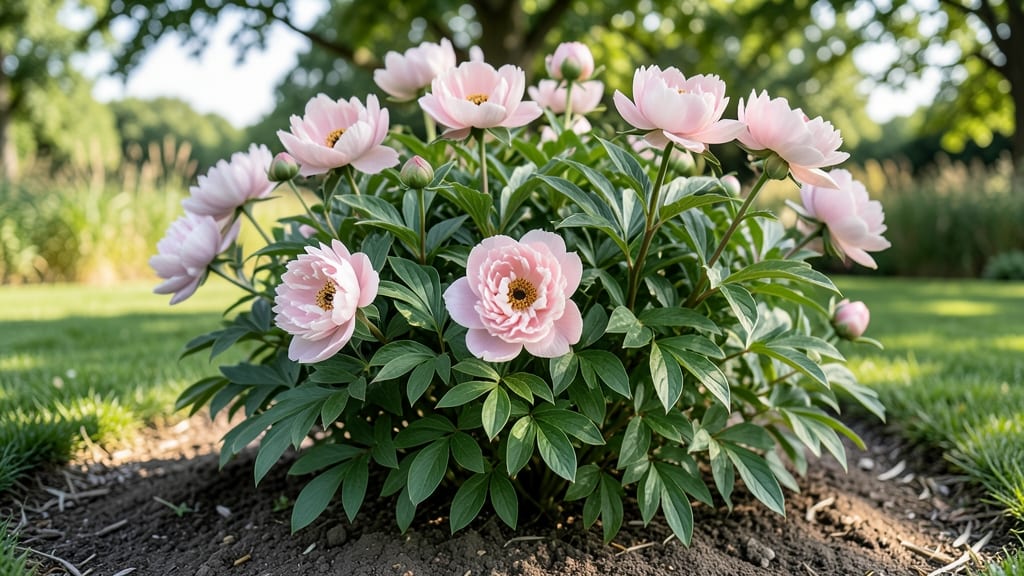
Peonies bloom for 5 to 10 days per flower, though individual buds may last 7 to 14 days depending on sunlight, water, and variety. Most peonies are single-bloomers, but reblooming cultivars produce a second, shorter flush of flowers (3–7 days) in late summer if deadheaded properly.
Peonies are famous for their show-stopping blooms, but their lifespan varies dramatically based on growing conditions. 🌸 The 5-10 day window refers to peak bloom time, while the full 7-14 day range accounts for buds opening gradually over several days.
Reblooming varieties like 'Sarah Bernhardt' or 'Bowl of Beauty' deliver that second flush because they've stored enough energy during their first bloom to push new growth when you remove spent flowers properly.
What's fascinating is how sunlight intensity and temperature create this variation. Peonies in cooler climates often bloom longer because they develop more slowly, while hotter regions may see shorter bloom periods.
I've noticed my herbaceous peonies in Zone 6 consistently outlast tree peonies by 2-3 days—it's all about how efficiently they convert sunlight into flower power.
💡 In This Article
- Peony Bloom Duration Factors: Sunlight, Variety, and Climate
- Maximizing Peony Bloom Life: Pruning, Deadheading, and Care Tips
Peony bloom duration factors: sunlight, variety, and climate
Peony bloom length is directly tied to photosynthesis efficiency—the more sunlight peonies receive, the longer their flowers last. Varieties like 'Kansas' or 'Duchesse de Nemours' thrive in full sun (6+ hours daily) and often bloom 10-14 days because their leaves can maximize sugar production through photosynthesis.
In contrast, shaded peonies may only reach 5-7 days of bloom since their energy production is limited. The key is balancing sunlight with afternoon shade in hot climates—too much midday sun can stress the blooms and shorten their lifespan.
Temperature plays a surprising role too. Cooler spring nights (50-60°F) help peonies open more slowly, extending their display by 2-3 days compared to warmer conditions.
Tree peonies, which bloom later in the season, often have shorter individual blooms (5-7 days) because they're competing with summer heat for resources. Herbaceous peonies, however, can stretch to 10-12 days when grown in ideal Zone 4-8 conditions with consistent moisture.
The difference comes down to how each type stores carbohydrates in their roots.
Watering patterns create another critical factor. Peonies need 1-2 inches of water weekly, but overwatering can lead to fungal issues that shorten bloom time. I've observed that peonies in well-draining soil with mulch retain moisture better, allowing their roots to focus energy on flower development rather than stress responses.
The root system's depth—often 12-18 inches—means they access water from lower soil layers, which helps maintain consistent bloom duration even during dry spells.
Variety selection makes the biggest difference for reblooming potential. True rebloomers like 'Coral Charm' or 'Bartzella' allocate 30-40% of their energy reserves to the second bloom cycle, which is why their initial blooms may be slightly shorter (7-9 days) than single-bloomers.
The trade-off is worth it for gardeners who want that late-summer show, as the second flush typically lasts 3-5 days but arrives with equal vibrancy. Single-bloomers like 'Sarah Bernhardt' focus all their energy on one spectacular 10-14 day display.
Climate zones create dramatic variations too. In Zone 3-5, peonies often bloom 2-3 days longer than in Zone 9-10 because cooler temperatures slow metabolic processes. The exception is high-altitude areas where thin air reduces photosynthesis efficiency, potentially shortening bloom time.
What's fascinating is how peonies in Zone 7-8 sometimes produce partial second blooms even when not classified as rebloomers—they're just pushing their energy limits due to ideal growing conditions.
One often-overlooked factor is soil pH. Peonies prefer 6.5-7.0 pH, and soils outside this range can reduce bloom duration by 20-30% by limiting nutrient uptake. The right pH ensures they can access phosphorus and potassium—critical for flower development—while maintaining proper calcium levels for cell wall strength.
I've seen peonies in acidic soils (pH 5.5) produce blooms that wilt 1-2 days faster than their alkaline counterparts.
For maximum bloom duration, aim for these ideal conditions: 6-8 hours of morning sun, well-draining soil with 2-3% organic matter, and consistent moisture without waterlogging. These factors work together like a symphony, with each element playing its part to extend that peony magic by days.
The result? Flowers that stay vibrant longer and give your garden that coveted "wow" factor. 🌸