
How To
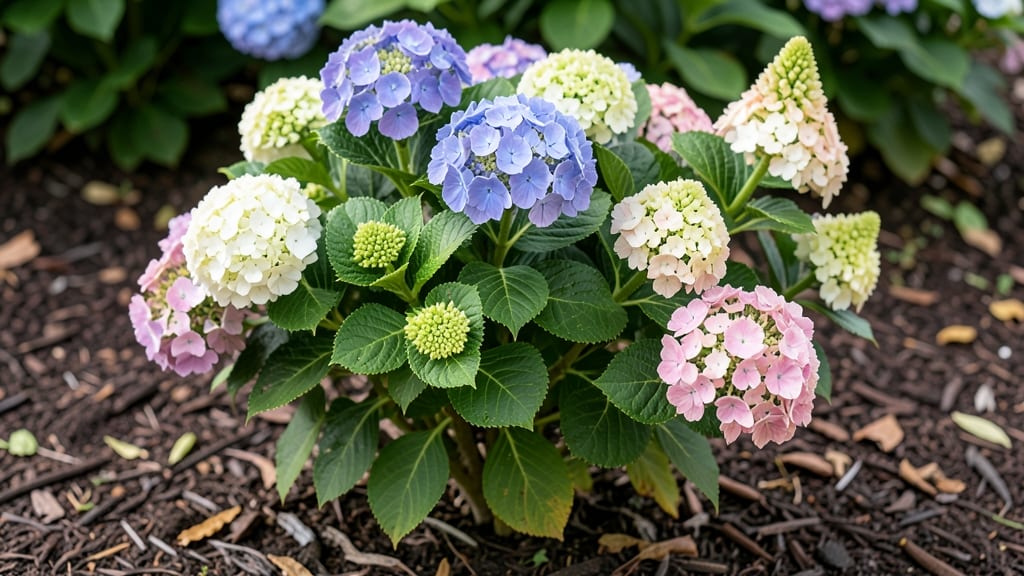
Hydrangeas bloom for 4-8 weeks depending on variety, with late-spring to summer blooms in most climates. Extended-flowering types like 'Endless Summer' rebloom for 8-12 weeks, while seasonal varieties like 'Annabelle' peak in 3-4 weeks before fading. Climate zones and pruning timing also influence duration.
Hydrangea bloom length varies dramatically between types, with some lasting just a month while others keep their color for months. 🌸 The key difference lies in their growth habits: rebloomers like 'Endless Summer' produce flowers on both old and new wood, allowing for multiple bloom cycles, whereas seasonal varieties rely solely on the previous year's growth.
In warmer climates (zones 7-9), blooms often last longer due to extended growing seasons, while cooler regions may see shorter displays unless you take extra care with pruning and soil conditions.
For example, 'Nikko Blue' typically blooms for 6-8 weeks in late spring, while 'Limelight' can extend its show to 10 weeks with proper care. Understanding your specific variety and its natural cycle is the first step to maximizing your hydrangea's seasonal impact.
💡 In This Article
- Hydrangea Bloom Duration by Variety and Seasonal Patterns
- How to Extend Hydrangea Blooms: Pruning and Care Tips
Hydrangea bloom duration by variety and seasonal patterns
The bloom duration of hydrangeas hinges on whether they're rebloomers or seasonal types. Reblooming varieties like 'Endless Summer' produce flowers on both old and new wood, creating a staggered bloom cycle that can stretch from late spring through early fall.
These types typically bloom for 8-12 weeks when conditions are ideal, with some second flushes appearing after summer pruning. The secret lies in their ability to generate multiple flower buds throughout the growing season, unlike their seasonal counterparts.
Seasonal hydrangeas, such as 'Annabelle' or 'Grandiflora', rely solely on buds formed the previous year. Their bloom window is tightly linked to their natural cycle, usually lasting 3-5 weeks in late spring to early summer.
For example, 'Annabelle' often blooms for just 4 weeks in June, while 'Nikko Blue' extends its display to 6-8 weeks by starting earlier in May. The difference comes down to when and how many buds they set during the prior growing season.
Climate zones play a critical role in bloom timing and duration. In warmer zones (7-9), hydrangeas often enjoy longer blooming periods because the extended growing season allows for multiple flushes of flowers.
For instance, 'Limelight' might bloom for 10 weeks in zone 8, while the same variety in zone 5 could only last 6 weeks due to cooler temperatures shortening the season. Frost sensitivity also matters—late bloomers in colder zones may see their flowers cut short by early autumn frosts.
Even within the same variety, bloom duration can vary by 2-3 weeks depending on sunlight exposure and soil moisture. Hydrangeas planted in full sun with consistent watering (about 1-1.5 inches per week) tend to bloom longer than those in shade or with inconsistent care.
The flower heads themselves also follow a natural aging process—mophead varieties like 'Penny Mac' typically last longer than lacecap types because their dense blooms protect the inner flowers from drying out.
Consider these key factors when estimating bloom duration:
- Variety type: Rebloomers (e.g., 'Endless Summer') outperform seasonal types by 3-8 weeks
- Climate zone: Warmer zones extend blooms by 2-4 weeks compared to cooler regions
- Sun exposure: Full sun adds 1-2 weeks to bloom duration vs partial shade
- Watering: Consistent moisture maintains blooms 10-15% longer than dry conditions
The most dramatic examples come from professional gardens where 'Endless Summer' hydrangeas have been documented blooming for 12+ weeks under optimal conditions. In contrast, a neglected 'Annabelle' might only show color for 3 weeks before fading. Understanding these patterns helps gardeners set realistic expectations and plan their landscapes accordingly.