
Blooming
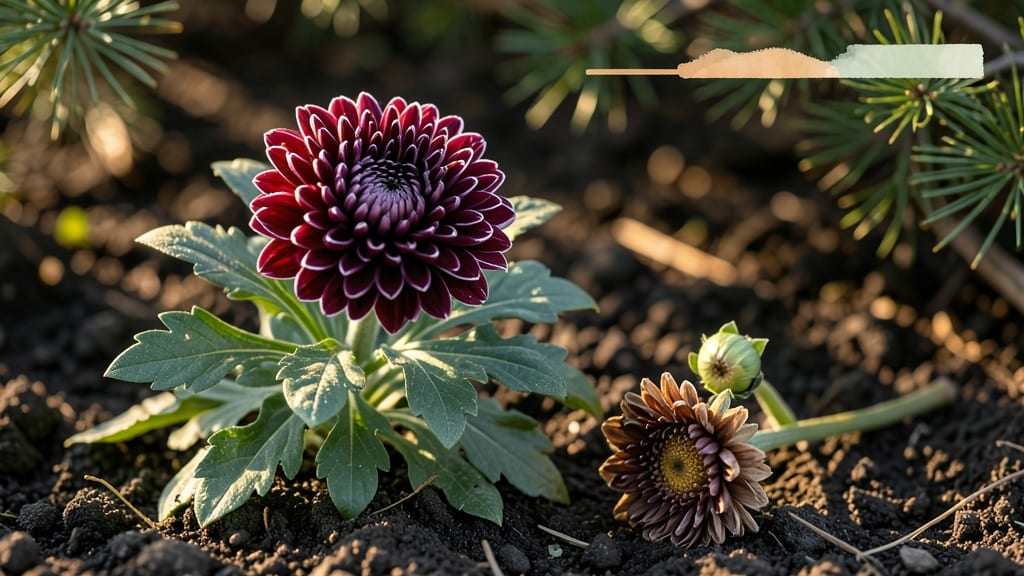
Most mums (chrysanthemums) do bloom only once per season, typically in fall, because they're short-day plants triggered by decreasing daylight. However, reblooming varieties can produce multiple flower cycles with proper care, fertilization, and consistent light conditions.
This seasonal blooming pattern comes down to plant biology. 🌸 Standard mums respond to shorter daylight hours in late summer, which signals their bodies to produce flowers.
Rebloomers, though, have been selectively bred to ignore this natural cue and keep flowering through winter or early spring when you provide the right conditions—like supplemental light and regular deadheading. The key difference lies in their genetic makeup and how we manipulate their environment to override their natural instincts.
For gardeners, this means choosing reblooming varieties if you want extended color. These plants often need more frequent care, including high-phosphorus fertilizers and protection from harsh winter winds. The trade-off? You'll enjoy vibrant blooms for months instead of just a few weeks.
💡 In This Article
- Why Most Mums Bloom Once: The Science Behind Flowering Cycles
- How to Encourage Reblooming Mums: Pruning, Fertilizing, and Light Tips
Why most mums bloom once: the science behind flowering cycles
Standard chrysanthemums (mums) are classified as short-day plants, meaning their blooming cycle is triggered by 12-14 hours of daylight or less per day.
This natural response occurs when daylight shortens in late summer, typically around late August to early September, signaling the plant's internal clock to shift from vegetative growth to flower production.
The process involves a hormone called florigen, which moves from leaves to buds when daylight drops below this critical threshold. 🌿
Temperature also plays a crucial role—most mums need cool nights (50-60°F) and warm days (70-80°F) to initiate blooming. If summer temperatures stay too hot, the plant may delay flowering or produce weaker blooms.
This biological mechanism explains why you'll see mums bursting into color in early fall, often just as summer heat begins to fade. The plant's entire lifecycle is synchronized with these environmental cues, making it nearly impossible to override without intervention.
Reblooming varieties, however, have been genetically modified to ignore this natural photoperiod response to some extent. Through selective breeding, horticulturists have developed mums that can produce multiple flushes of flowers when given the right care.
These varieties often require consistent deadheading (removing spent blooms) to stimulate new growth and supplemental light to extend daylight hours artificially. The science behind this involves manipulating the plant's hormone balance to keep it in a perpetual "blooming mode."
Here's what happens under the hood: When you deadhead a reblooming mum, you're essentially tricking the plant into thinking it's still in its initial blooming cycle. This removes the spent flowers that would otherwise signal the plant to enter dormancy.
Combined with high-phosphorus fertilizers (like 5-10-5 blends), which promote flowering, and extended light exposure (14-16 hours per day), you can coax rebloomers into producing flowers well into winter or even early spring. 💡
For comparison, standard mums might produce 3-4 weeks of blooms in fall, while rebloomers can flower for 2-3 months with proper care. The trade-off? Rebloomers often have slightly smaller flowers and may require more frequent maintenance.
But for gardeners who want extended color, the effort is well worth it. The key is understanding that you're not just growing a plant—you're actively participating in its biological processes.
One fascinating detail is how mums detect daylight: they use specialized proteins called phytochromes that act like biological light sensors. These proteins change their shape based on light exposure, sending signals to the plant's genetic machinery to either grow leaves or produce flowers.
In rebloomers, these proteins are less sensitive to daylight length, allowing them to keep flowering under extended light conditions. 🌱