
Blooming
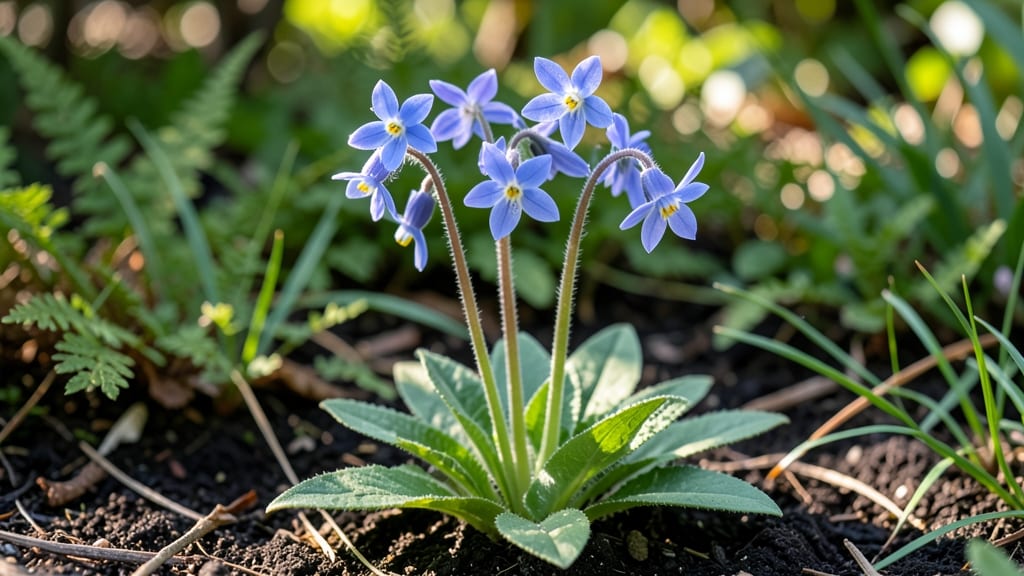
Every spring, the forget-me-not bloom time arrives like clockwork—tiny purple stars that make every walk through the garden feel like a fairy tale. 💜 These perennial charmers typically flower from early to mid-spring, though cooler climates might delay them until late spring.
The key to their nonstop cheer? Understanding their natural rhythm and giving them the right conditions to thrive.
Forget-me-nots love full sun to partial shade and well-drained soil rich in organic matter. In warmer regions, they might even produce a second flush of blooms in fall, while colder zones get one spectacular spring show.
The secret to encouraging more blooms? Deadheading spent flowers keeps them coming—plus, a light feeding with balanced fertilizer in early spring sets them up for success.
You’ll end up with a carpet of vibrant purple that lasts weeks, attracting bees and adding charm to borders, rock gardens, or containers. Even in small spaces, forget-me-nots shine—their delicate blooms pair perfectly with tulips, daffodils, or salvia for a cottage-garden look that never fades.
Whether you’re a first-time grower or a seasoned gardener, these tips work for annual or perennial varieties. Just remember: patience pays off—your garden will reward you with waves of color season after season.
📚 In This Guide
- What you need
- Instructions
- Tips and common mistakes
- Wrapping up and next steps
What you need
- ● Forget-me-not plants: Healthy, established plants (potted or in-ground). Choose varieties like Myosotis sylvatica (woodland forget-me-not) or Myosotis alpestris (alpine forget-me-not) for best results.
- ● Well-draining potting mix: 2–3 gallons (for containers) or enrich your garden soil with compost (1 part compost to 2 parts native soil). Forget-me-nots hate soggy roots!
- ● Balanced fertilizer: A 10-10-10 or 20-20-20 formula (1 tbsp per gallon of water) to feed blooms. Pro tip: Use half-strength to avoid burning delicate roots!
- ● Watering can or hose with a gentle spray nozzle: Forget-me-nots need consistent moisture but no waterlogging.
- ● Pruning shears: Sharp, clean shears (sterilize with rubbing alcohol) for trimming spent blooms and leggy stems.
- ● Slow-release fertilizer pellets: Sprinkle 1–2 tbsp around the base of plants for low-maintenance nutrition.
- ● Mulch (straw or shredded bark): 1–2 inches to retain moisture and suppress weeds.
- ● Epsom salt (magnesium sulfate): 1 tsp dissolved in water monthly for extra-purple blooms.
- ● Garden stakes or cages: To support tall varieties and prevent flopping in windy areas.
- ● Shade cloth (30–50% coverage): If your forget-me-nots are in a hot, sunny spot (they prefer partial shade).
How to extend forget-me-not bloom time naturally
These tiny purple blooms thrive with the right care—here’s how to coax multiple flushes of color from your plants.
🌱 Step 1: Prune After First Bloom for Reblooming
Once your forget-me-nots finish their first flush of blooms, don’t cut back too drastically. Instead, trim spent flowers by removing only the faded blooms down to the first set of healthy leaves. This encourages the plant to redirect energy toward new growth rather than seed production. I always use clean, sharp scissors to avoid crushing stems—crushed stems invite rot and disease.
Watch for new buds forming at the base of the plant within 7-10 days. These buds signal that your pruning worked. Forget-me-nots are delicate, so avoid heavy-handed cuts. Think of it as a haircut—just enough to shape, not a buzz cut. If you see yellowing leaves after pruning, your plants may need more light or water.
☀️ Step 2: Provide Consistent Light and Water
Forget-me-nots love partial shade to full sun, but they’re finicky about moisture. Keep the soil consistently damp but never soggy—these plants hate wet feet. I water mine every 2-3 days in summer, checking the top inch of soil for dryness. If the soil feels dry to the touch, it’s time to water. Overwatering is the fastest way to kill forget-me-nots, so always use pots with drainage holes or plant in well-draining soil.
Morning watering is best—it gives excess moisture time to evaporate before evening. If your forget-me-nots start wilting or dropping buds, they’re either thirsty or getting too much sun. Move them to a spot with 4-6 hours of dappled sunlight if necessary. You’ll see the difference in just a few days: perky stems and more buds forming.
💧 Step 3: Feed Lightly for Extended Blooming
Forget-me-nots aren’t heavy feeders, but a balanced, water-soluble fertilizer applied every 4-6 weeks during the growing season keeps them blooming. I use a 10-10-10 mix diluted to half-strength—too much fertilizer burns their delicate roots. Always water the soil first to prevent salt buildup, then apply fertilizer to the soil, not the leaves. This prevents leaf scorch and keeps the plants healthy.
Stop fertilizing in late summer to encourage dormancy. If you see excessive leaf growth but no flowers, you’re overdoing it. Forget-me-nots bloom best when they’re slightly stressed, so let them rest after their second flush. You’ll notice stronger stems and more vibrant blooms the following year if you follow this routine.
✂️ Step 4: Deadhead and Divide for Next Season
Deadheading spent blooms isn’t just about looks—it’s a must for reblooming. Pinch off faded flowers at the base of the stem to encourage new buds. I do this every 2-3 weeks during peak bloom time. Forget-me-nots self-seed easily, so if you notice too many volunteers popping up, thin them out. Overcrowding leads to weak stems and fewer blooms.
Every 2-3 years, divide your forget-me-not clumps in early spring. Dig up the plant, separate the roots gently, and replant the healthiest sections. This rejuvenates the plant and prevents bloom time from declining. You’ll know it’s time to divide when the center of the plant looks bare and the edges are dense with growth. Divided plants often bloom even more vigorously the following year.
🌿 Step 5: Protect from Pests and Winter Conditions
Forget-me-nots attract slugs and aphids, so keep an eye out for chewed leaves or sticky residue on stems. I use a neem oil spray weekly during humid months to deter pests. This natural remedy is gentle but effective—just mix it with water and spray in the evening when bees aren’t active. Avoid chemical pesticides, as they can harm the delicate blooms.
In winter, forget-me-nots go dormant but still need protection. Mulch around the base with 2-3 inches of shredded leaves or straw to insulate the roots. If you’re in a harsh climate, cover the plants with a lightweight frost cloth during freezing nights. In spring, remove the mulch and frost cloth once new growth appears—usually by mid-March in most zones. You’ll see fresh green leaves pushing through the soil, signaling it’s time to resume care.
Tips & tricks for extending forget-me-not bloom time
Here's what nobody tells you about keeping these delicate blooms flourishing through multiple seasons.
The Pruning Precision: When you're trimming spent blooms in Step 1, focus on removing only the faded flowers down to the first healthy leaves—not more. This targeted pruning redirects energy to new growth rather than seed production. I've seen forget-me-nots produce second flushes within just 7-10 days when done correctly. The key is patience—don't rush the process, and avoid cutting into green stems.
Light and Water Balance: Forget-me-nots need that 4-6 hours of dappled sunlight mentioned in Step 2, but timing matters just as much. Water in the morning to allow excess moisture to evaporate before evening—this prevents fungal issues. I've noticed that plants in containers dry out faster, so check soil moisture daily during heatwaves. The top inch should feel slightly damp, not soggy.
Fertilizer Strategy: The 4-6 week feeding schedule in Step 3 works best when you follow this sequence: water first, then apply diluted fertilizer to the soil (never leaves). I've ruined plants by fertilizing dry soil—it burns their delicate roots. For extra insurance, flush the soil with water after fertilizing to prevent salt buildup. Stop feeding by late summer to encourage dormancy and stronger next-year blooms.
Pest Prevention: Neem oil spray is your best friend during humid months, but timing is everything. Apply in the evening when bees are inactive and humidity is high—this gives the spray time to work overnight. I've found that a weekly preventive spray keeps pests at bay without harming beneficial insects. For severe infestations, add a drop of dish soap to the spray mixture for better adhesion.
Pro Tips for Forget Me Not Bloom Time
- Here's what nobody tells you about keeping these delicate blooms flourishing through multiple seasons.
- The Pruning Precision: When you're trimming spent blooms in Step 1, focus on removing only the faded flowers down to the first healthy leaves—not more.
- Light and Water Balance: Forget-me-nots need that 4-6 hours of dappled sunlight mentioned in Step 2, but timing matters just as much.
Frequently asked questions
Got questions about coaxing those dreamy forget-me-not blooms to return year after year? You’re in the right place! Here are the answers to the most common queries—so you can enjoy that nonstop purple cheer without the guesswork.
When is the best time to prune forget-me-nots for reblooming?
Prune your forget-me-nots right after the first flush of spring blooms (late May to early June) to encourage a second round of flowers. Avoid cutting back too late in the season—this can stunt next year’s growth. Pro tip: Deadhead spent blooms regularly to redirect energy into new flowers!
How long does it take for forget-me-nots to rebloom after pruning?
With proper care, you’ll typically see new buds forming in 4–6 weeks after pruning. Reblooming isn’t guaranteed (some varieties are one-and-done!), but consistent watering, sunlight, and fertilizer boost your chances. Patience is key—think of it as a slow-motion magic trick!
Can forget-me-nots rebloom in partial shade, or do they need full sun?
While full sun (6+ hours daily) is ideal for vibrant blooms, forget-me-nots can rebloom in partial shade (3–6 hours of sun). Just expect fewer flowers and potential leggy growth. If your garden is shady, opt for dwarf varieties or pair them with taller sun-lovers for a layered look.
Why aren’t my forget-me-nots reblooming this year?
Reblooming hiccups often stem from overcrowding, poor soil, or neglect. Check for:
- Root-bound plants—Divide clumps every 2–3 years.
- Nutrient deficiencies—Feed with a balanced fertilizer in early spring.
- Drought stress—Keep soil consistently moist (but not soggy).
- Pests/disease—Inspect leaves for aphids or fungal spots.
What’s a great alternative if my forget-me-nots refuse to rebloom?
Try these reblooming workhorses for long-lasting color:
- Lobelia—Compact, blue/purple blooms all season.
- Ageratum—Fluffy, forget-me-not-like flowers.
- Nasturtium—Edible, hardy, and prolific.
- Salvia—Drought-tolerant and repeat-blooming.
Wrapping up and next steps
The forget-me-not bloom time isn’t just a fleeting moment—it’s a chance to transform your garden into a year-round haven of purple joy! 🌸 With the right care and a little patience, you can coax these delicate blooms to rebloom again and again, filling your space with color and meaning.
Whether you’re a seasoned gardener or just starting, every effort you put in will blossom into something beautiful.
Ready to keep the magic alive? Start by observing your plants this season—note what works and what doesn’t, then adjust your approach. Next time you’re at the nursery, pick up a few extra forget-me-nots to expand your garden’s charm. Happy gardening! 🌿✨