
Blooming
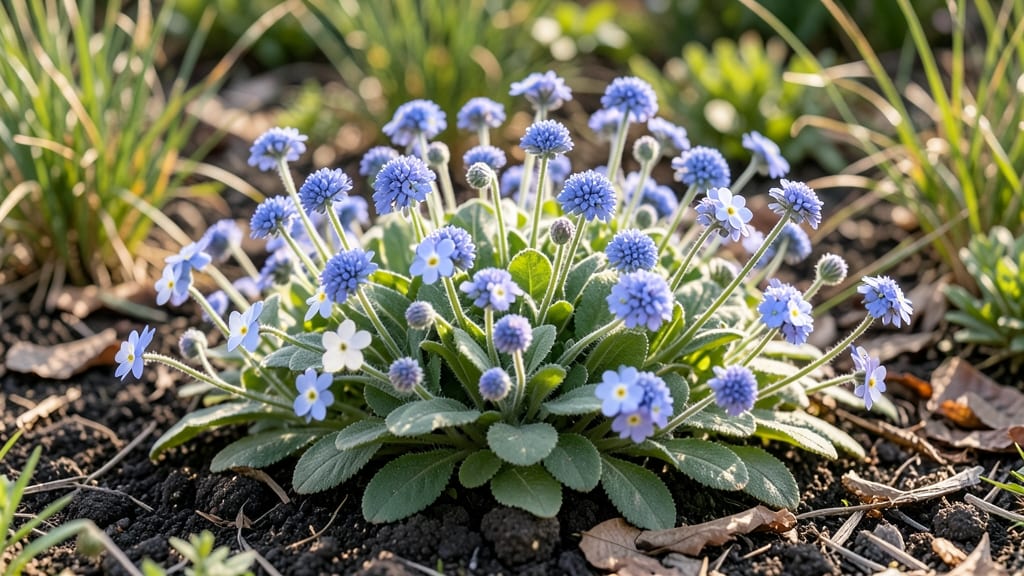
Forget-me-nots don't bloom all summer naturally—most varieties produce a single flush of flowers in spring and early summer that lasts just 4-6 weeks. While some reblooming types may show sporadic blooms later, consistent summer flowers require deadheading or special growing conditions.
Most forget-me-nots (Myosotis species) are spring ephemerals, meaning they bloom once and then focus their energy on seed production. 🌸 The exception is reblooming cultivars like 'Blue Ball' or 'Blue Star', which can produce smaller, secondary blooms if you remove spent flowers regularly—a process called deadheading.
Without this care, their summer blooming potential fades quickly, often by early July. These plants also need consistent moisture and well-draining soil to support even their limited extended blooming.
What many gardeners don't realize is that forget-me-nots are sensitive to daylight length. As summer progresses, longer daylight hours signal these plants to shift from flowering to seed production. This biological response explains why even reblooming varieties struggle to maintain vibrant blooms throughout the entire season without human intervention.
💡 In This Article
- Forget-Me-Not Bloom Cycles: Seasonal Patterns Explained
- How to Extend Forget-Me-Not Blooms Through Summer
Forget-me-not bloom cycles: seasonal patterns explained
Forget-me-nots (Myosotis species) are primarily spring ephemerals, meaning their blooming cycle is tightly linked to seasonal temperature shifts and daylight changes.
The classic woodland forget-me-not (Myosotis sylvatica) typically blooms in late spring to early summer (April-June in most temperate zones) when soil temperatures reach 50-55°F and daylight hours extend beyond 14 hours.
This timing coincides with their natural habitat, where they take advantage of sunlight before trees fully leaf out and shade becomes an issue.
The key trigger is photoperiodism—the plant's response to changing daylight lengths. As days lengthen in spring, forget-me-nots produce a hormone called florigen that initiates flowering.
Once summer arrives and daylight exceeds 15-16 hours, these plants receive a signal to shift their energy toward seed production rather than new blooms.
Alpine forget-me-nots (Myosotis alpestris) may bloom slightly later (May-July) due to their higher elevation origins, where cooler temperatures delay the transition to seed production.
Temperature also plays a crucial role. Forget-me-nots prefer cool soil temperatures (60-65°F) for optimal blooming. When summer heat arrives (75°F+), many varieties go dormant or bolt (send up flower stalks prematurely), which reduces their ability to produce secondary blooms.
This is why you'll often see them fading by early July—it's not just random wilting, but a programmed response to environmental cues.
There's a fascinating exception with reblooming cultivars like 'Blue Ball' and 'Blue Star'. These varieties have been selectively bred to produce smaller, secondary blooms later in the season, but even they require consistent deadheading (removing spent flowers) to encourage new growth.
Without this intervention, their blooming cycle mirrors that of wild types, lasting just 4-6 weeks before focusing on seed production.
What most gardeners overlook is how soil moisture interacts with these cycles. Forget-me-nots need consistent soil moisture (not soggy) to support extended blooming. When summer drought occurs, plants conserve water by reducing flower production—a survival mechanism that explains why even reblooming varieties may stop flowering during dry spells. 💧
Here's the botanical breakdown of what happens seasonally:
- Spring: Cool soil temps (50-55°F) + increasing daylight (12-14 hours) trigger florigen production and initial blooms
- Early Summer: Peak flowering occurs when daylight exceeds 14 hours and temps reach 60-65°F
- Mid-Summer: Daylight > 15 hours + heat stress (75°F+) signals shift to seed production
- Late Summer: Most varieties go dormant or produce minimal blooms unless deadheaded