
Flowers
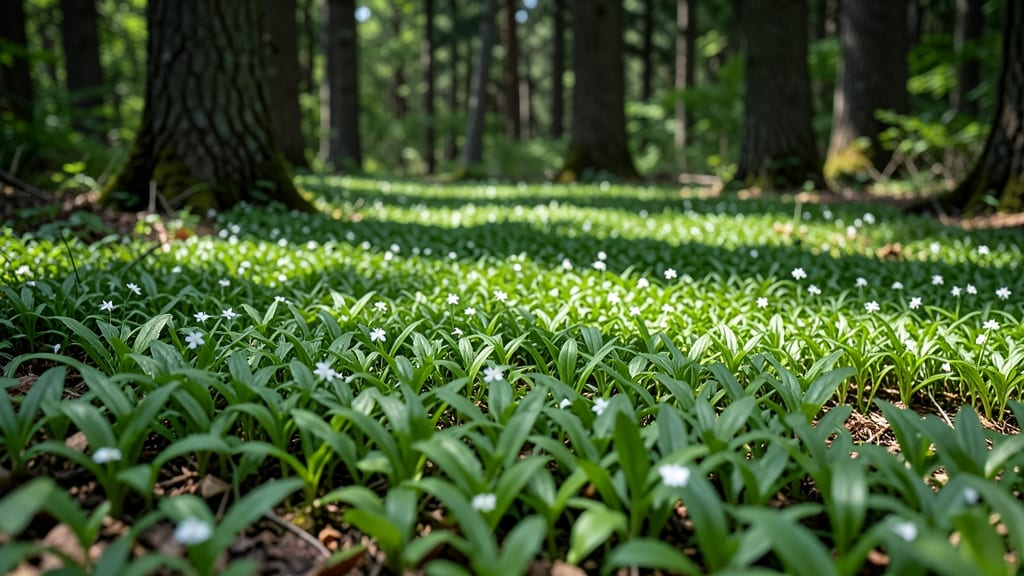
Struggling to keep your shady garden vibrant? These 10 shade-loving flowers thrive in low light while delivering stunning blooms all year—perfect for transforming dark corners, woodland gardens, and understory spaces into lush, colorful retreats.
Hosta Varieties with Lavender and Blue Flowers
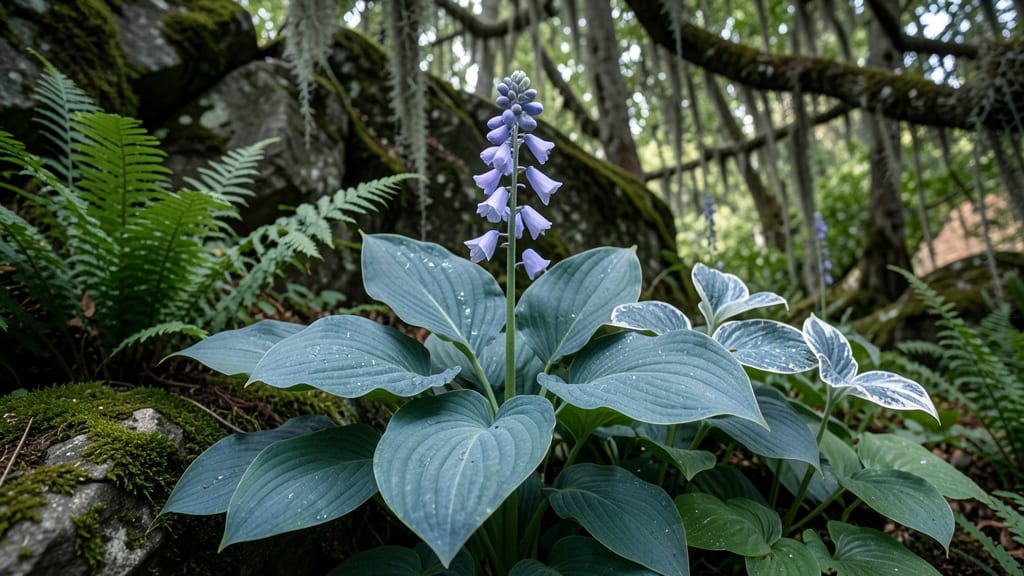
Want to add color and texture to your shady garden without sacrificing foliage appeal? Hosta varieties with lavender and blue flowers deliver both stunning blooms and striking leaves, making them the ultimate dual-purpose shade plants.
Look for cultivars like Hosta 'Blue Angel' or Hosta 'Halcyon' for delicate lavender-blue flower spikes that rise above broad, textured foliage in late summer. These varieties thrive in deep shade (even under trees) and attract pollinators like bees and butterflies. For containers, choose compact types like Hosta 'Francee'—its compact size and striking blooms make it perfect for patio displays.
Perfect for gardeners who love low-maintenance perennials** that reward you with both foliage and flowers, these hostas bring unexpected color to the darkest corners of your garden. 💚
Bleeding Heart (Dicentra Spectabilis)
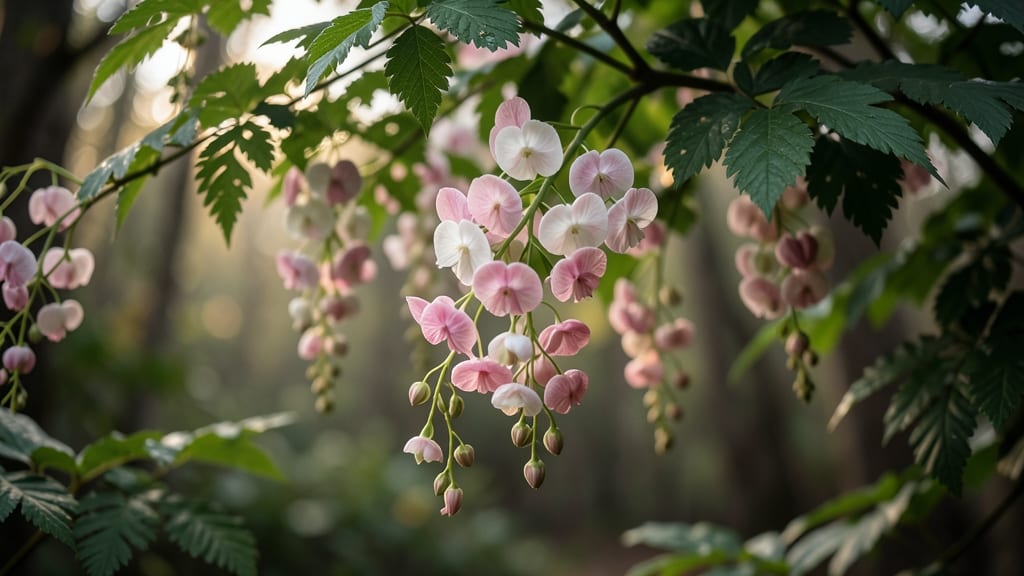
Craving a touch of old-world romance in your garden? Bleeding heart (Dicentra spectabilis) delivers cascading clusters of heart-shaped blooms that feel like a secret from a storybook. This spring superstar thrives in partial shade, making it ideal for understory plantings where sunlight is limited.
Plant it in moist, well-draining soil enriched with organic matter, and give it space to spread its lush foliage. The pink or white flowers appear in early spring and last for weeks, creating a dramatic vertical display. For best results, divide clumps every 3-4 years to maintain vigor.
Perfect for cottage gardens, woodland edges, or containers, bleeding heart adds a whimsical touch that appeals to both beginners and seasoned gardeners alike. 🌷
Japanese Painted Fern (Athyrium Niponicum)
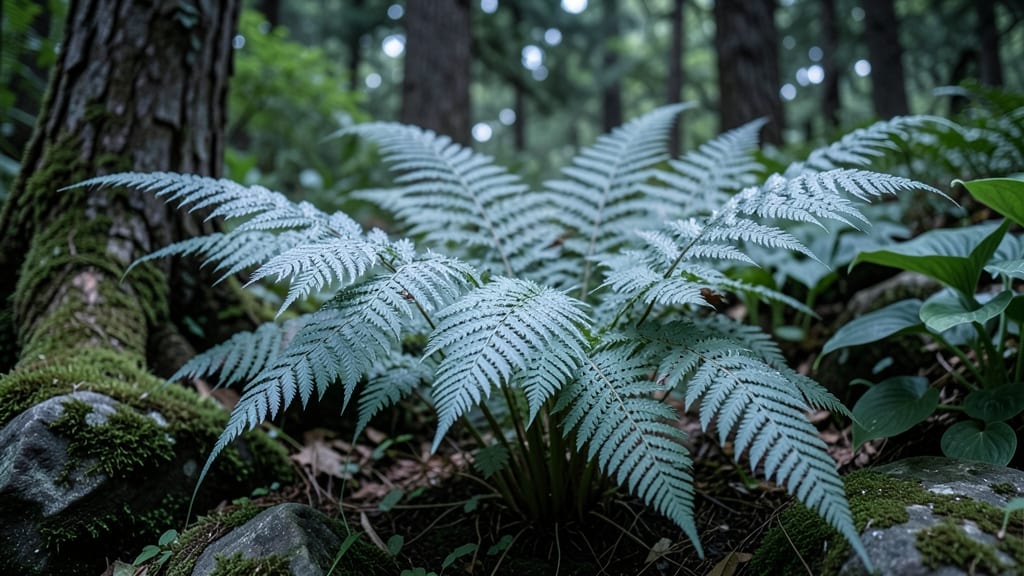
If your shady garden lacks structure and texture, the Japanese Painted Fern (Athyrium niponicum) is your secret weapon. Unlike traditional flowering plants, this fern delivers architectural elegance with its silvery-blue and green fronds that shimmer in low light.
This hardy perennial thrives in deep shade, making it perfect for woodland gardens, understory plantings, or areas where sunlight is scarce. Its delicate, lace-like foliage adds movement and contrast to borders, while its slow-spreading habit ensures it won’t overwhelm your garden. Simply keep the soil moist and well-draining for year-round interest.
For gardeners who love texture over blooms, this fern is a game-changer—ideal for beginners and woodland enthusiasts alike. 🌿
Impatiens Walleriana (Busy Lizzie)
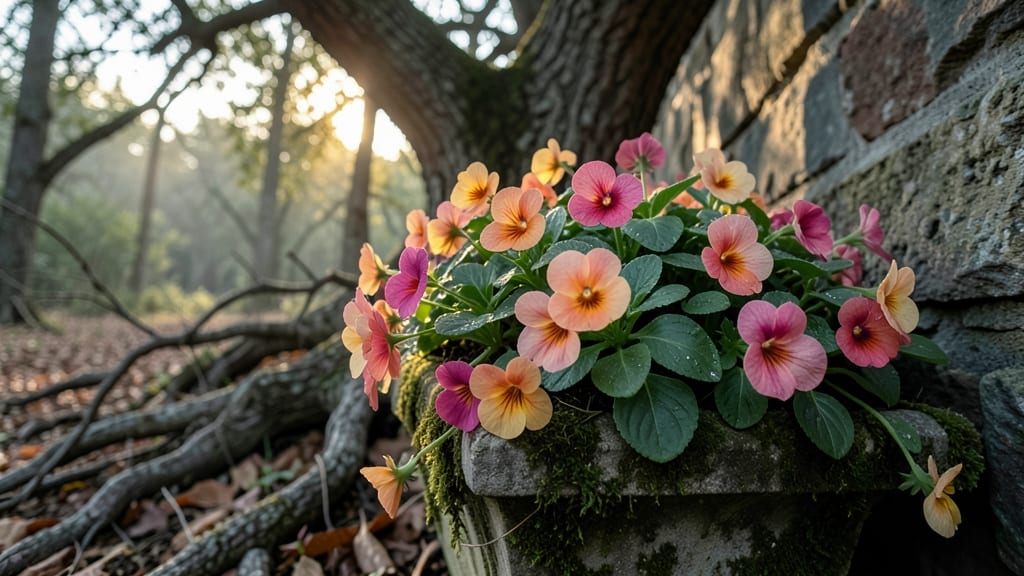
When your garden’s shady spots feel like forgotten corners, Impatiens Walleriana (Busy Lizzie) swoops in like a burst of sunshine. These cheerful annuals thrive where others fade, blooming nonstop from spring until frost in deep shade or partial shade—even under trees or on north-facing walls.
Busy Lizzie’s secret? Its compact, bushy habit and vibrant colors (pink, red, orange, white, and purple) create instant impact in containers, hanging baskets, or garden beds. For best results, plant in well-draining, moist soil and fertilize every 2–3 weeks. Deadhead spent blooms to encourage even more flowers—though they’re so prolific, you might not need to!
Urban gardeners and beginners love Busy Lizzie for its low-maintenance charm and ability to fill gaps quickly. Just watch for slugs in damp conditions—protect young plants with diatomaceous earth or beer traps. 🌻
Foxglove (Digitalis Purpurea)
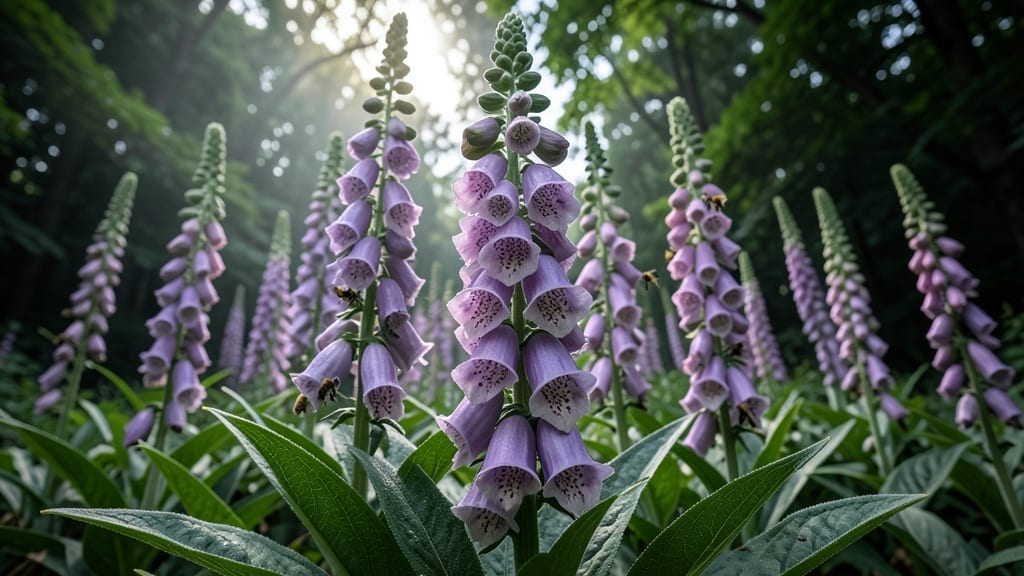
Need a vertical statement piece for your shade garden? Foxglove (Digitalis purpurea) delivers towering spikes of bell-shaped blooms that instantly elevate cottage-style gardens and pollinator-friendly landscapes. Unlike ferns or impatiens, foxglove thrives in partial shade while adding dramatic height—perfect for back borders or woodland edges.
This biennial plant produces its showstopping flowers in its second year, with varieties ranging from pale yellow to deep purple. Plant seeds in late summer for next year’s blooms, and provide well-draining soil with consistent moisture. Deadhead spent blooms to encourage a second flush, and watch bees and hummingbirds flock to the nectar-rich flowers. Just be cautious—all parts are toxic if ingested, so keep it away from pets and children.
Foxglove is ideal for gardeners who love low-maintenance drama and want to attract pollinators without sacrificing shade tolerance. Pair it with bleeding heart or hostas for a layered, romantic garden effect. 🌻
Heuchera (Coral Bells)
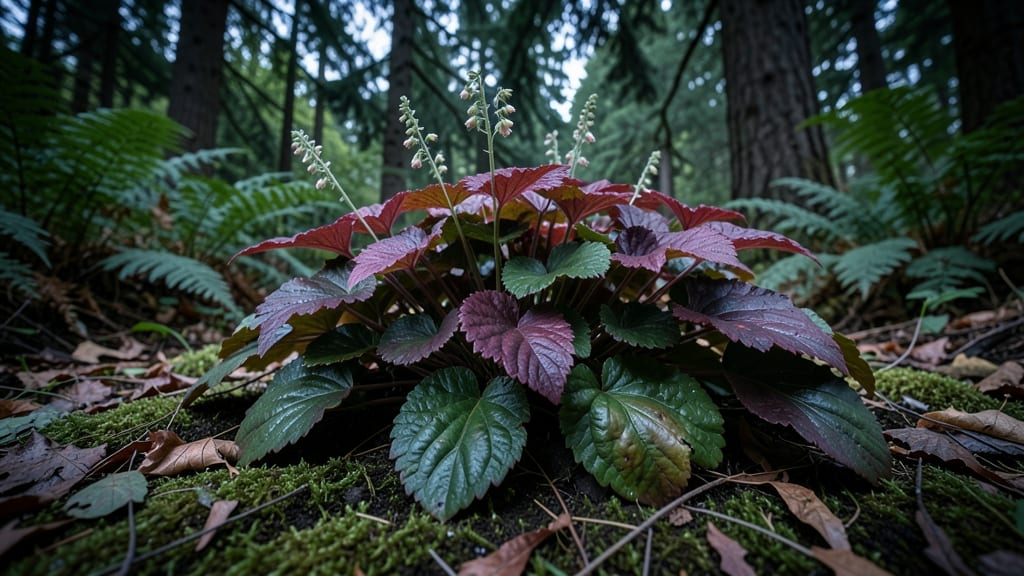
Looking for a shade-loving plant that delivers year-round color without relying solely on flowers? Heuchera (Coral Bells) is your answer—its vibrant foliage steals the show in deep shade, while delicate flower spikes add subtle height and texture.
With over 200 varieties, you can choose leaf colors ranging from deep burgundy and lime green to silvery blue, creating stunning contrasts in borders or containers. These drought-tolerant perennials thrive in partial to full shade and prefer well-draining soil, making them ideal for urban gardens or woodland edges. Plant them in groups for maximum impact, and enjoy their low-maintenance beauty that lasts through all four seasons.
Perfect for beginners and experienced gardeners alike, Heuchera brings drama to shady spots while requiring minimal care—just water occasionally and watch your garden transform. 🌿
Lungwort (Pulmonaria Officinalis)
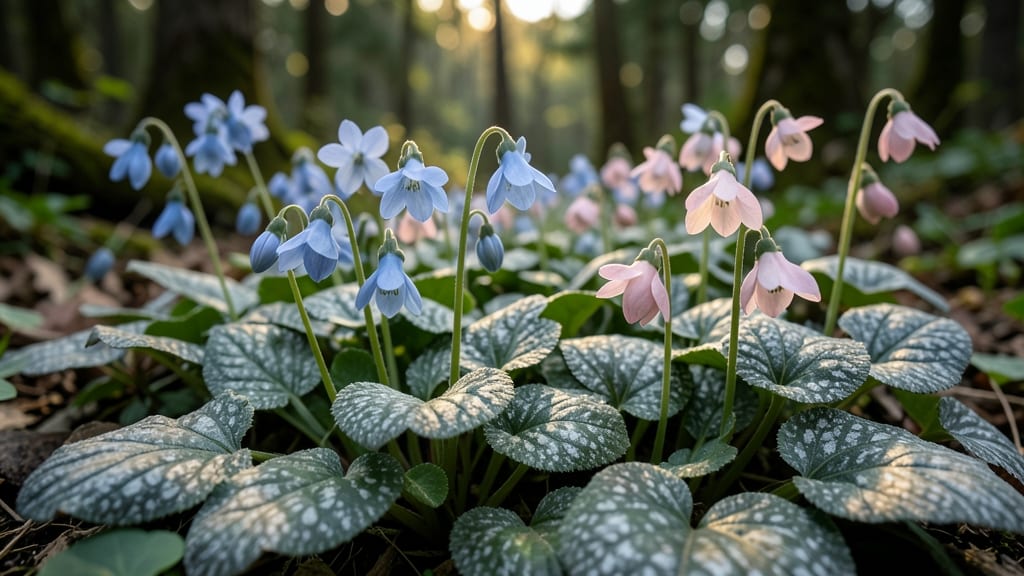
If you're craving a springtime showstopper that thrives where others fade, lungwort (Pulmonaria officinalis) is your secret weapon. This hardy perennial emerges early—often before snow melts—and delivers blue-pink blooms that transition to pink as they age, paired with striking silver-spotted foliage that stays attractive all season.
Perfect for moist, shaded spots like woodland edges or understory plantings, lungwort spreads effortlessly via self-seeding, creating natural drifts over time. Its pollinator-friendly blooms attract bees and butterflies, while its drought tolerance once established makes it low-maintenance. Plant in partial to full shade with well-draining, humus-rich soil for maximum impact.
Ideal for beginner gardeners and woodland enthusiasts, lungwort adds year-round interest—even after blooms fade, its foliage provides texture. Let it naturalize for a self-sustaining, low-fuss perennial that brightens shady corners. 🌿
Astilbe (False Spirea)
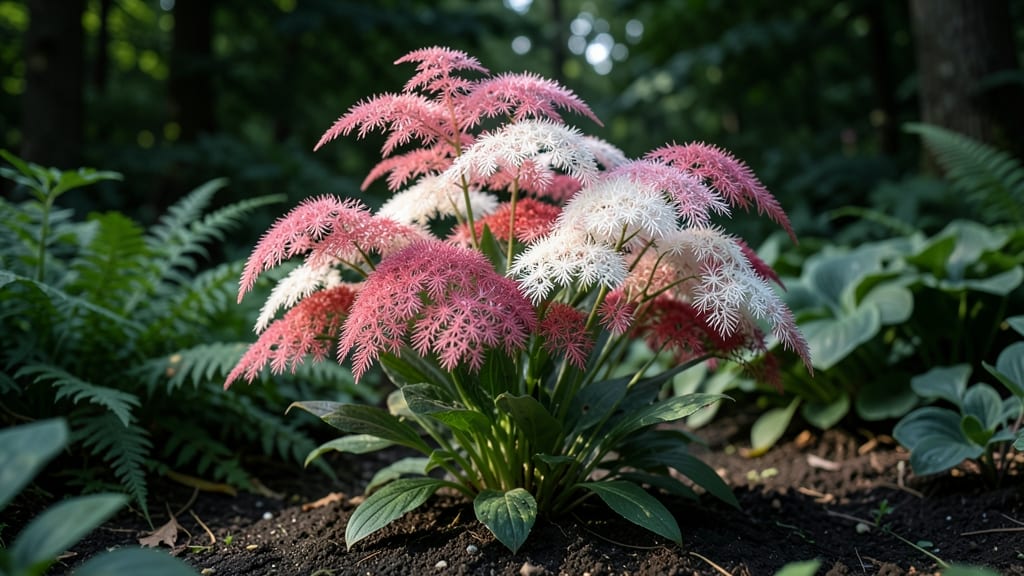
Want to add movement and texture to your shady garden without sacrificing color? Astilbe delivers feathery plumes in pink, white, or red that dance in the breeze, making it a standout choice for partial shade. Unlike many shade plants, astilbe thrives in moist, well-draining soil and even tolerates wetter conditions—ideal for woodland edges or understory plantings.
This clump-forming perennial blooms from early to mid-summer, offering long-lasting color that pairs beautifully with ferns, hostas, and heucheras. For containers, choose compact varieties like 'Fanal' (deep red) or 'Bridal Veil' (pure white) to create eye-catching displays. Deadhead spent blooms to encourage a second flush in some varieties.
Perfect for beginner gardeners and urban spaces, astilbe requires minimal care beyond regular watering and occasional division every 3-4 years. Its airy plumes add a whimsical touch to borders, containers, and even cut-flower arrangements. 🌻
Toad Lily (Tricyrtis Hirta)
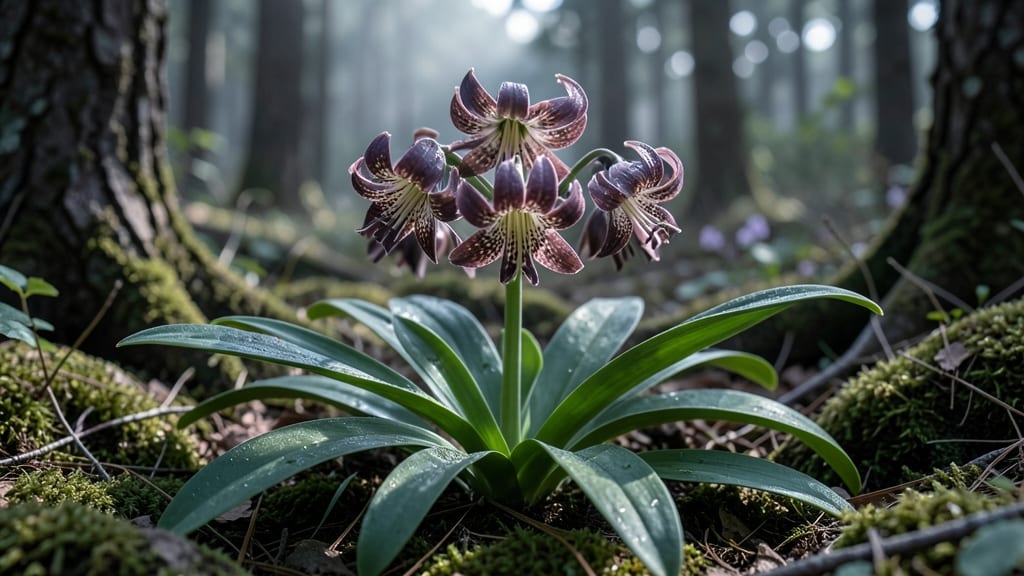
When your garden seems to fade as summer winds down, the toad lily (Tricyrtis hirta) steps in with its mysterious, spotted blooms—like nature’s own late-season fireworks. This underrated gem thrives in deep shade, where most flowers give up, and delivers exotic purple-brown flowers with white speckles that catch the light just right.
Unlike spring ephemerals, toad lilies bloom in late summer and fall, extending your garden’s season with minimal fuss. They’re happiest in moist, well-draining soil under trees or along shady borders, where their delicate foliage adds texture year-round. Deadheading spent blooms encourages more flowers, and they rarely need division—just let them be.
Perfect for gardeners who love woodland charm** but hate high-maintenance plants, toad lilies bring drama without the work. Pair them with ferns or hostas for a moody, magical corner that thrives even when sunlight is scarce. 🌿
Sweet Woodruff (Galium Odoratum)

If you’ve ever wished for a fragrant, low-maintenance carpet underfoot in your shady garden, sweet woodruff (Galium odoratum) is your answer. This charming ground-cover thrives in deep shade where most plants struggle, spreading quickly to create a lush, aromatic green mat.
Crush the leaves to release a delicate, vanilla-like scent—perfect for pathways, understory plantings, or as a living mulch. Its tiny white flowers appear in late spring to early summer, adding subtle contrast without competing with foliage. Once established, it’s drought-tolerant and requires minimal care, making it ideal for busy gardeners or woodland gardens.
Best for those seeking a fragrant, evergreen ground cover that enhances shady spots without demanding attention. 💚