
Flowers
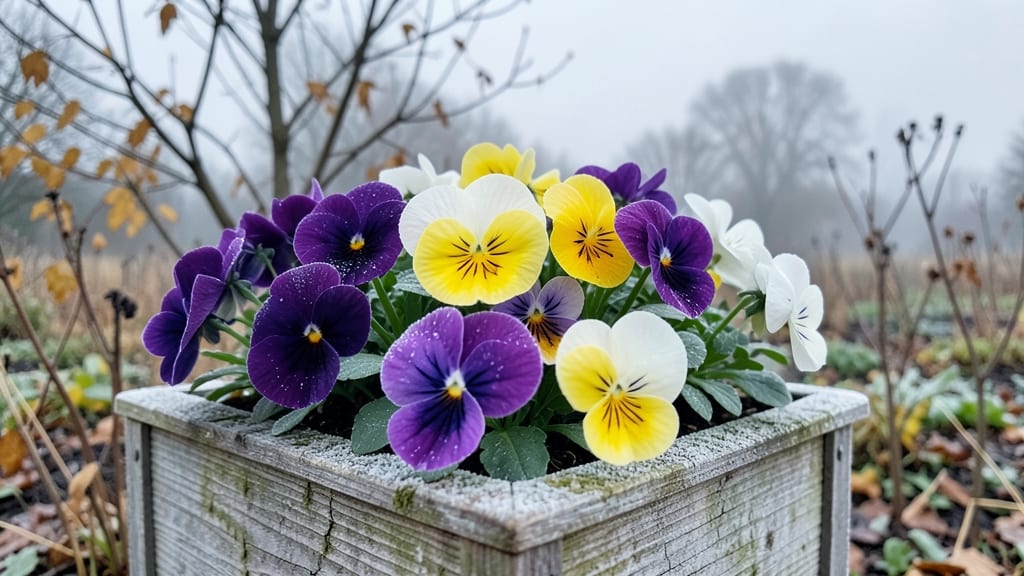
November gardens may seem dormant, but these hardy flowers defy the chill with vibrant blooms that bring color and life to late-season landscapes. Perfect for extending your garden’s beauty or adding unexpected pops of color, these November-blooming flowers thrive in cooler temperatures and diverse climates.
Chrysanthemums: Classic Late-Season Color Explosion
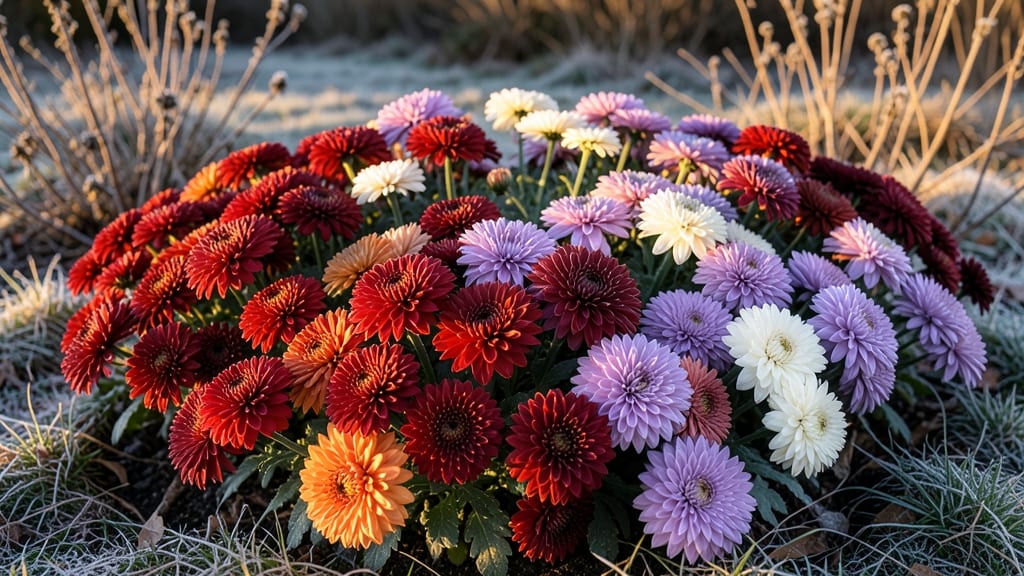
When November’s crisp air arrives, chrysanthemums burst onto the scene like nature’s own holiday decoration—offering over 300 varieties in every shade from fiery red to soft lavender. These frost-tolerant stars thrive when most gardens have gone quiet, making them the perfect choice for extending your seasonal color.
Plant them in full sun to partial shade and deadhead spent blooms to encourage more flowers. Their cutting garden potential is unmatched—stems last for weeks in vases, ideal for autumn weddings or Thanksgiving centerpieces. For containers, choose compact varieties like 'Bonanza' or 'Daisy' series, which bloom prolifically even in small spaces.
Whether you're a beginner or a seasoned gardener, chrysanthemums deliver low-maintenance beauty that brightens chilly days. 🌻
Hellebores: Elegant Winter Bloomers for Shady Gardens
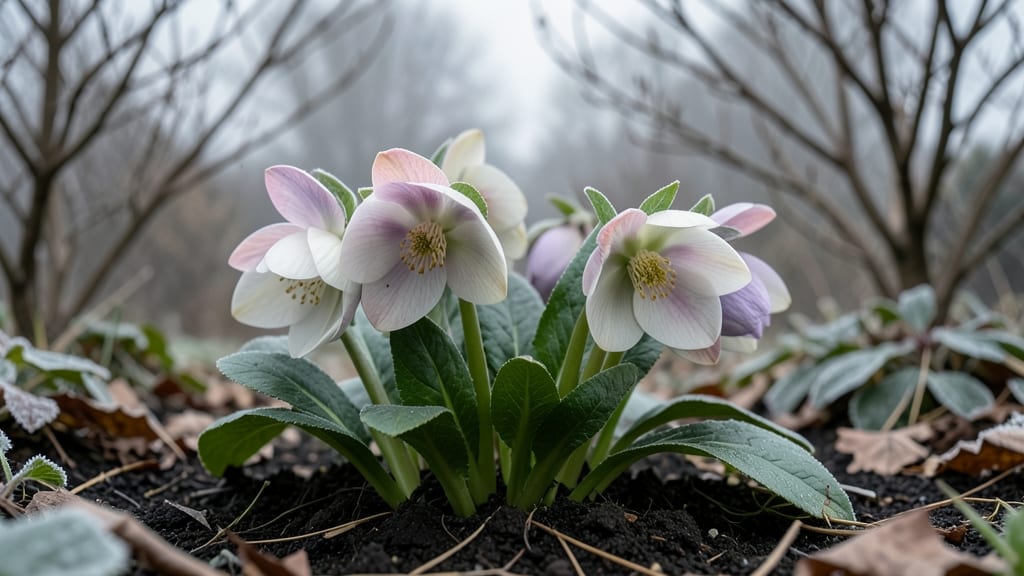
When your garden feels like it’s taking a winter nap, hellebores—also called Christmas roses—step up to deliver quiet elegance. These evergreen perennials bloom from late fall through winter, offering delicate, nodding flowers in shades of white, pink, purple, and green that thrive where little else grows.
Perfect for shady spots under trees or along woodland edges, hellebores need only partial to full shade and well-drained soil. Their frost-resistant foliage stays green year-round, making them ideal for adding structure and color to dark corners. Deadhead spent blooms in early spring to encourage a second flush of flowers.
Shade-loving gardeners and those with woodland-style gardens will love hellebores for their low-maintenance charm and ability to brighten up gloomy winter days. 💚
Pansies: Hardy Annuals for Cool-Season Containers
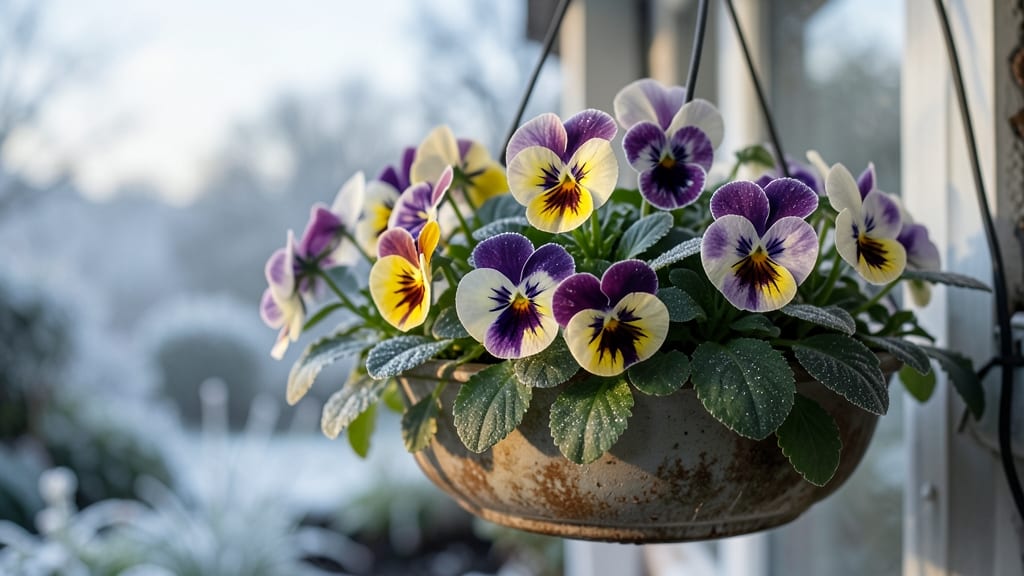
When frost threatens to put most gardens to sleep, pansies stand out as cheerful rebels—blooming brighter than ever in 40°F (4°C) temperatures and even surviving light frosts. Their iconic "faces" (yes, those little patterns!) make them instant conversation starters in window boxes or hanging baskets where other annuals would give up.
These cool-season superstars thrive in partial sun to light shade, making them perfect for urban balconies or shady garden corners. Plant them in well-draining soil, and they’ll reward you with nonstop blooms from September through spring. For extra protection, mulch around containers or choose frost-hardy varieties like 'Matrix' or 'Soraya'—both stay vibrant even when temps dip below freezing.
Pansies are the ultimate low-maintenance hero for beginners or busy gardeners who want year-round color with minimal fuss. Their ability to outlast frost makes them the secret weapon for late-November gardens. 🌱
Sweet Peas: Fragrant Climbing Beauties for November
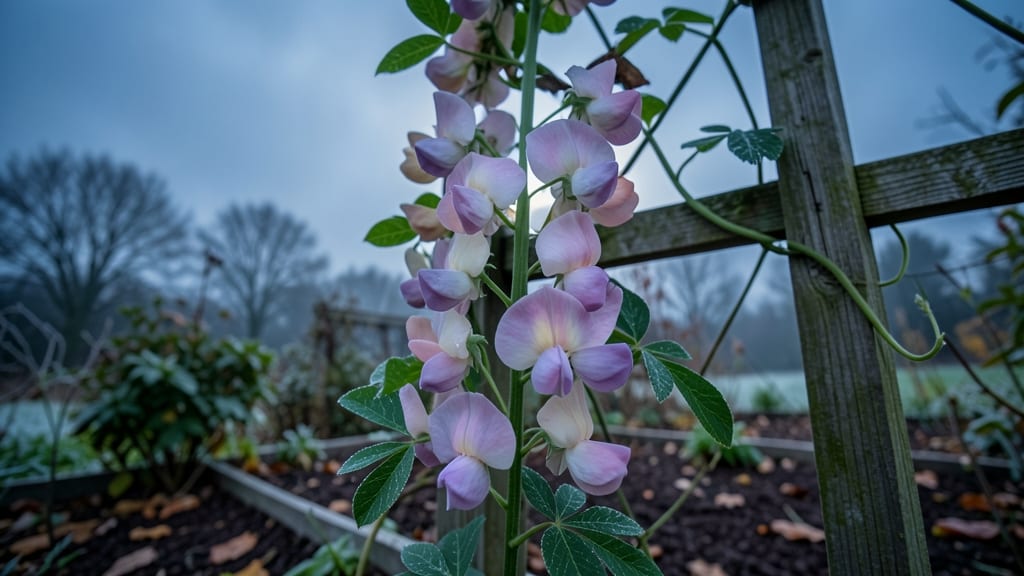
Transform your garden into a fragrant sanctuary with sweet peas, the ultimate November-blooming climber that fills the air with intoxicating perfume. Unlike many flowers that fade with cooler weather, these old-fashioned annuals thrive in cool climates and reward early planting with blooms that last well into fall.
Sow seeds in early spring for summer vines that will climb trellises or fences, producing scented blooms in shades of pink, purple, and white. They prefer full sun to partial shade and well-drained soil—ideal for cottage gardens or small spaces. Deadhead spent flowers to encourage continuous blooming until frost. The sweet fragrance alone makes them worth growing, but their vertical growth habit also maximizes space in tight gardens.
Perfect for beginners or urban gardeners with limited space, sweet peas add romance and sensory delight to late-season landscapes. Their versatile growing conditions and long bloom time make them a standout choice for extending your garden’s charm well past Halloween. 🌷
Calendula: Edible Golden Blooms for Pollinators
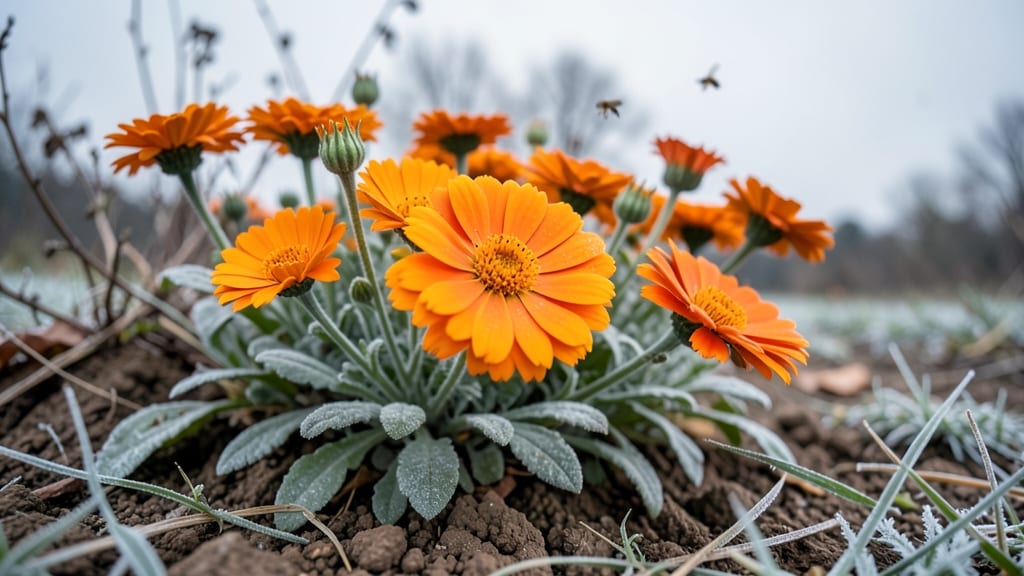
When your garden seems to fade with the first frost, calendula steps in as a cheerful, edible hero. These bright orange blooms not only thrive in cool weather but also attract late-season pollinators like bees and butterflies when few other flowers remain in bloom.
Sow seeds directly in your garden after the last frost, and you’ll enjoy continuous blooms from early fall through November. The flowers are edible—add them to salads for a peppery kick or steep them into tea for a soothing, anti-inflammatory brew. Deadhead spent blooms to encourage more flowers and prevent self-seeding where you don’t want it.
Perfect for urban gardeners or beginners, calendula requires minimal care and rewards you with both beauty and utility. Plant them in sunny spots for a pop of color that keeps your garden lively well into winter. 🌻
Daffodils: Early Spring Forerunners Blooming Late
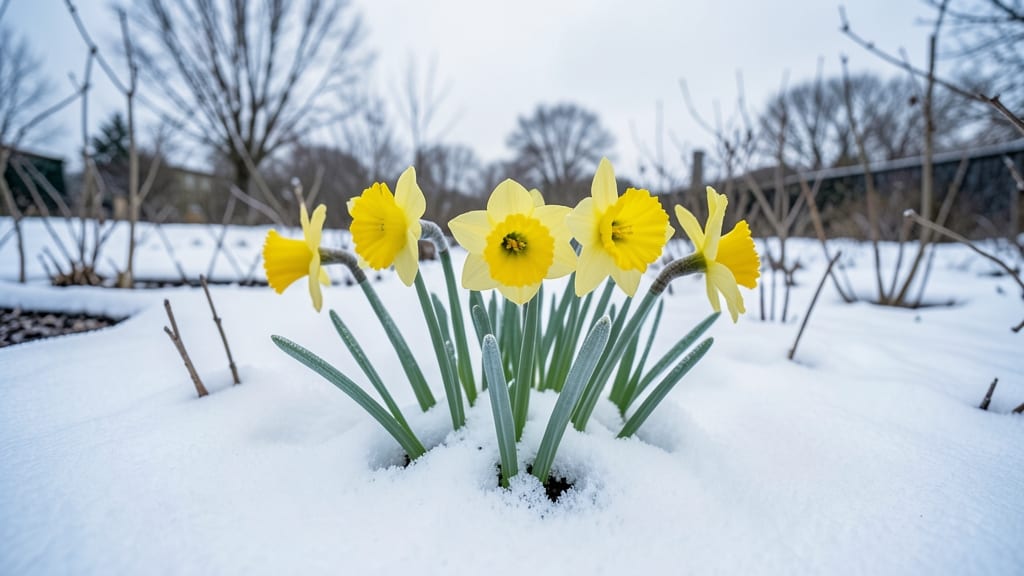
When your garden looks like it’s taking a winter nap, late-blooming daffodils like Ice Follies burst through the snow with cheerful yellow blooms—sometimes as early as November. These hardy perennials defy the chill, offering a splash of color when most flowers have called it quits for the season.
For best results, plant them in full sun (at least 6 hours daily) and well-draining soil. Their frost-resistant nature means they’ll often bloom even after light snowfall, making them ideal for early spring previews. Mulch lightly around the base to protect roots from extreme cold while allowing blooms to peek through.
Perfect for gardeners in USDA Zones 3-9, these daffodils require minimal care and multiply over time. Add them to borders, rock gardens, or even containers for a year-round pop of sunshine. 🌻
Cyclamen: Delicate Indoor-Outdoor Transition Flowers
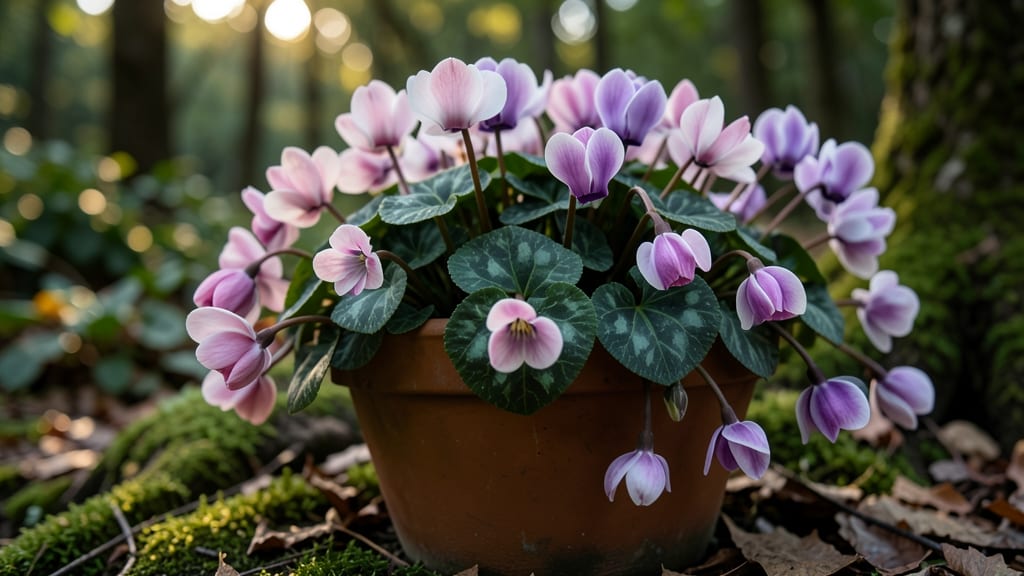
If you crave indoor elegance that seamlessly transitions outdoors, cyclamen are your perfect woodland companions. These delicate flowers defy winter’s chill by blooming from late fall through winter, offering soft pink, white, or purple blooms that brighten shady corners when most gardens sleep.
Thriving in partial shade, cyclamen are ideal for underplanting shrubs like hydrangeas or boxwoods, where their heart-shaped leaves create a lush carpet. For container gardening, choose hardy cyclamen species (like Cyclamen hederifolium) and keep them in pots with well-draining soil—perfect for porches or patios. Water from below to avoid leaf spot, and they’ll reward you with months of blooms when other plants fade.
Urban gardeners and shade-lovers rejoice—cyclamen bring year-round interest with their evergreen foliage, even when not in bloom. Their adaptability makes them a versatile choice for both indoor displays and frost-resistant outdoor beds. 🌷
Snowdrops: Harbingers of Spring in November
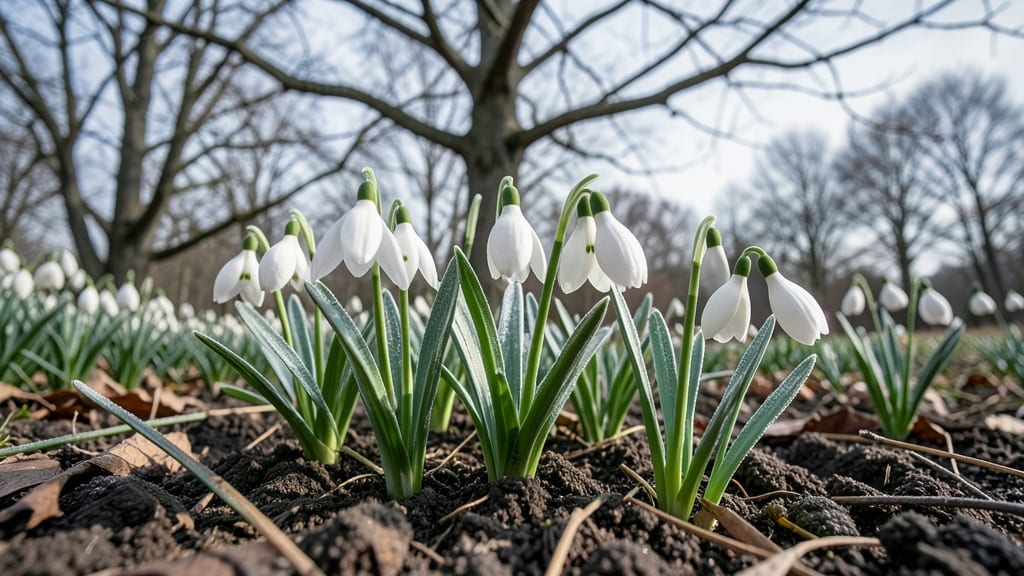
When November’s chill arrives, snowdrops (Galanthus) emerge like tiny messengers of spring, pushing through frost to reveal their elegant white blooms. Unlike many winter flowers, they thrive in partial to full shade, making them perfect for underplanting trees or shrubs where sunlight is scarce.
These hardy perennials naturalize effortlessly, multiplying into drifts over time with minimal care. Plant bulbs in fall (September-October) in well-draining soil, and you’ll reward yourself with year-round greenery followed by early winter flowers. Their delicate, nodding blooms symbolize hope—ideal for woodland gardens or as a living carpet under deciduous trees.
Gardeners who love low-maintenance beauty will adore snowdrops, as they require almost no upkeep once established. Perfect for beginners or busy gardeners, they’re a quiet promise that spring is coming. ✨
Asters: Late-Season Pollinator Magnets
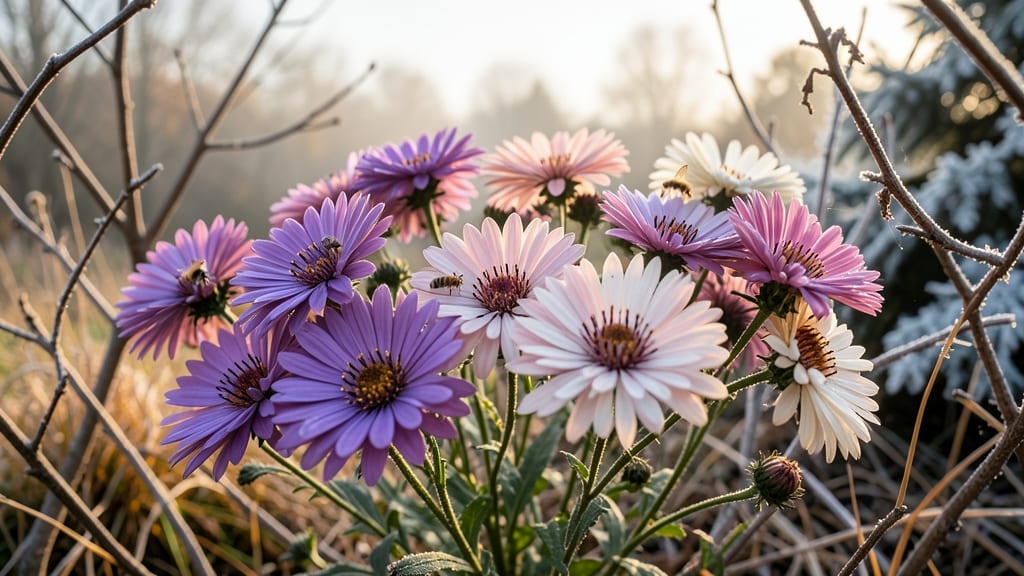
When bees and butterflies start packing up for winter, asters throw them a lifeline with their late-season nectar feast. These daisy-like perennials bloom from September through November, providing essential fuel for pollinators when most gardens have gone quiet.
Choose from purple, pink, or white varieties like 'Patriot' (deep purple) or 'Profusion' (compact and prolific). Plant them in full sun for maximum blooms, and deadhead spent flowers to encourage more blossoms. Their drought-tolerant nature makes them perfect for low-maintenance borders or wildflower meadows.
Perfect for pollinator gardens, asters reward you with months of color and help sustain local ecosystems. 🌟
Violas: Tiny but Mighty November Bloomers

When your garden feels like it’s taking a winter nap, violas step in as the cheerful understudies you didn’t know you needed. These petite powerhouses—often confused with pansies—outshine their cousins with longer-lasting blooms and a broader spectrum of colors, including deep purples, sunny yellows, and even bi-colors that brighten up chilly days.
Violas thrive in containers or garden beds with just 4-6 hours of sun, making them perfect for urban balconies, window boxes, or filling gaps in perennial borders. Their compact growth (6-12 inches tall) lets you tuck them into tight spaces where larger flowers can’t fit. For extra longevity, deadhead spent blooms and fertilize lightly every 3-4 weeks—you’ll be rewarded with nonstop color from October through spring.
Urban gardeners and small-space enthusiasts will love violas—they’re the easy-care superstars of late-season gardens, requiring minimal fuss while delivering maximum impact. 🌷