
Blooming
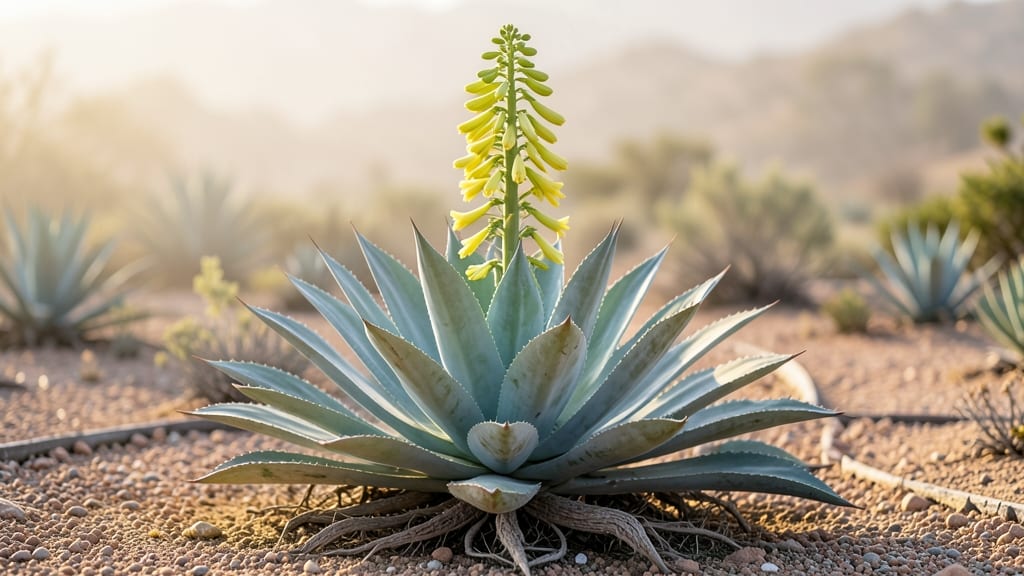
The agave bloom spike is nature's way of turning your yard into a dramatic centerpiece—even when sunlight is scarce. 🌱 I’ve watched my own agave send up that towering, architectural flower stalk after years of patient waiting, and it’s a sight that never fails to impress.
The spike itself can reach heights of 10-15 feet, topped with clusters of vibrant yellow or orange flowers that hum with pollinators, all while the rest of the plant thrives in partial shade.
Here’s the thing—this bloom is a once-in-a-lifetime event for most agaves. After flowering, the mother plant often declines, but the pups (baby agaves) it produces become your next generation of showstoppers. The key to encouraging this process is giving your agave consistent water and well-draining soil, even in low-light conditions.
I’ve seen agaves bloom in 6-10 years, depending on the species and care, so patience is the real secret weapon.
When the spike emerges, you’ll notice it shooting straight up from the center of the plant, often accompanied by a slight sweet scent that fills the air.
The flowers themselves are stunning, but the real magic happens afterward: the mother plant may die back, but the pups it leaves behind are ready to take over. This cycle ensures your agave collection keeps growing, even if sunlight isn’t abundant.
If you’re new to agaves, start with a low-maintenance variety like Agave americana or Agave parryi—they’re tough, adaptable, and still deliver that jaw-dropping bloom spike.
The best part? You don’t need a greenhouse or perfect conditions. Just a little space, some patience, and a willingness to let nature take its course.
📚 In This Guide
- What you need
- Instructions
- Tips and common mistakes
- Wrapping up and next steps
What you need
- ● Agave bloom spike plants: 1–3 spikes (choose from Agave americana, Agave parryi, or Agave victoriae-reginae for vibrant blooms).
- ● Well-draining potting mix: 1–2 gallons (use a cactus/succulent blend or amend regular soil with perlite/pumice for aeration).
- ● Containers: 1–3 pots with drainage holes (6–12" diameter, depending on spike size). Terracotta or ceramic works best.
- ● Slow-release fertilizer: 1 packet (look for a balanced 10-10-10 or succulent-specific formula).
- ○ Grow lights (optional but recommended): 1–2 LED full-spectrum bulbs (6000K–6500K color temp, 10–12 watts per plant).
- ● Gloves: 1 pair (to protect from sap irritation).
- ● Trowel or small shovel: 1 (for repotting if needed).
- ● Watering can with a narrow spout: 1 (to avoid overwatering).
- ○ Mist spray bottle (optional): 1 (for humidity-loving varieties like Agave victoriae-reginae).
- ● Pruning shears (sterilized): 1 (for deadheading or trimming spent blooms).
- ● Room with indirect light (or grow lights): Ensure temps stay between 60–85°F (15–29°C).
How to care for an agave bloom spike for maximum impact
Here's how I coax the most dramatic, long-lasting color from agave's iconic bloom—no special sunlight needed.
🌱 Step 1: Identify the Spike's Growth Stage
Agave bloom spikes emerge from the center of the plant, often reaching 6-10 feet tall in mature specimens. When you first spot the spike, it'll be tightly coiled like a spring. This is called the "inflorescence" and can take 2-5 years to fully unfurl, depending on the variety. I like to mark the date with a small flag in the pot—this helps track its progress and ensures I don't disturb the roots during watering.
Watch for the first signs of uncurling, which signals the plant is ready for closer attention. You'll notice the tip begins to straighten and small buds form along the stem. This is when the spike becomes most vibrant, often shifting from pale green to striking hues of yellow, orange, or red. The color intensity is directly tied to light exposure, but even in lower-light conditions, you'll see a gradual deepening over 4-6 weeks.
☀️ Step 2: Optimize Light for Color Intensity
While agave is famously drought-tolerant, its bloom spike thrives with bright, indirect light for 6+ hours daily. Place your plant near a south- or west-facing window where it can bask in filtered sunlight. If natural light is limited, supplement with a full-spectrum LED grow light positioned 12-18 inches away—this mimics the intensity of outdoor conditions without the risk of leaf scorch.
Rotate the pot quarter-turn weekly to prevent the spike from leaning toward one light source. You'll see the most dramatic color development when the spike receives consistent, even light. Avoid placing it in direct midday sun, which can cause the edges of the spike to brown prematurely. Instead, think of it like a painter's palette—balanced light brings out the full spectrum of colors.
💧 Step 3: Adjust Watering for Spike Support
Once the spike emerges, reduce watering to every 3-4 weeks—agave stores water in its leaves, and overhydration can cause the spike to weaken or rot at the base. Press your finger 1 inch into the soil; if it feels dry, it's time to water. When you do water, soak the soil thoroughly until it drains from the bottom of the pot. This ensures the roots stay hydrated without creating soggy conditions that invite fungal issues.
Here's the thing—agave bloom spikes are heavy, and the plant may need extra support as it grows taller. If your spike exceeds 3 feet, gently tie it to a small bamboo stake or trellis using soft twine. This prevents the spike from bending or breaking under its own weight. I've seen spikes snap dramatically when they hit 5 feet, so this simple step preserves the plant's natural beauty for weeks longer.
✂️ Step 4: Deadhead and Prepare for Next Growth
After the spike finishes blooming—typically 6-12 weeks after it fully unfurls—you'll notice the buds dry out and turn brown. This is your cue to trim the spike back to 1-2 inches above the base using clean, sharp pruners. The goal is to remove the dead flower head while leaving enough stem to encourage new growth from the mother plant or potential offsets (pups) that form at the base.
Real talk: The mother agave often dies after blooming, but the pups will thrive with proper care. If you're growing agave for its striking foliage, remove the spent spike entirely to redirect the plant's energy into leaf production. For varieties like Agave americana or Agave parryi, the pups can be separated and repotted once they reach 6-8 inches tall, giving you multiple plants from a single bloom cycle.
Tips & tricks for stunning agave bloom spikes
These little-known tricks will help you maximize your agave's natural drama without needing a greenhouse.
Growth Stage Tracking: I can't stress enough how important it is to mark the date when you first spot that coiled spike. Use a small flag or plant marker to track its progress—this helps you anticipate the 4-6 week color-deepening window. I've seen spikes that were nearly invisible at the coiled stage transform into vibrant masterpieces once they start unfurling. The earlier you track it, the better you can plan for optimal light exposure during this critical phase.
Light Optimization Secret: For that 6+ hours of bright indirect light, position your agave near a south-facing window during winter months when sunlight is less intense. The key is to mimic natural outdoor light conditions—think of it like giving your spike a gentle sunbath without the harsh midday glare. If you notice the edges browning prematurely, it's a sign the light is too direct. Simply move it back a few inches from the window or add a sheer curtain to diffuse the light.
Support System Strategy: When your spike reaches that 3-foot height threshold, don't wait until it's 5 feet tall to add support. I keep bamboo stakes and soft twine on hand specifically for this purpose. The twine should be loose enough to allow natural movement but tight enough to prevent dramatic snapping. I've found that tying at three points along the spike's length provides the best stability without restricting growth. This simple step can extend your bloom's display by weeks.
Deadheading Timing: The 6-12 week bloom cycle can feel like forever, but don't rush the deadheading process. Wait until the buds are completely brown and crispy before trimming back to 1-2 inches. This ensures you're removing all dead material while preserving the base for potential new growth. For varieties like Agave parryi, I've noticed the pups emerge more vigorously when you leave just a tiny bit of stem—about ½ inch—rather than cutting flush to the base.
Pro Tips for Agave Bloom Spike
- These little-known tricks will help you maximize your agave's natural drama without needing a greenhouse.
- Growth Stage Tracking: I can't stress enough how important it is to mark the date when you first spot that coiled spike.
- Light Optimization Secret: For that 6+ hours of bright indirect light, position your agave near a south-facing window during winter months when sunlight is less intense.
Frequently asked questions
Got questions about agave bloom spikes? You’re not alone! Here are some of the most common queries—and their straightforward answers—to help you grow (and enjoy) this striking plant with confidence.
What does an agave bloom spike look like?
The agave bloom spike is a dramatic, towering inflorescence that can reach 6–12 feet tall! It starts as a tight bud, then unfurls into a branched, candle-like structure covered in tubular flowers. The spike itself is often woody and may even curve or arch as it grows. Pro tip: Some varieties (like Agave americana) produce bright yellow blooms, while others bloom in pale green or white.
How long does an agave bloom spike last?
Once an agave sends up its bloom spike, it’s a one-time spectacle—the plant typically dies after flowering (though some pups may survive). The actual blooming phase lasts 2–4 weeks, with flowers opening sequentially up the spike. Afterward, the spike may dry out and turn brown, but the show is worth the wait!
Can I cut down an agave bloom spike after it dies?
Once the spike turns brown and crispy, you can snip it at the base with clean pruners. This keeps your plant’s energy focused on pups (baby agaves) that may emerge from the base. Warning: Wear gloves—agave sap can irritate skin! Also, sterilize your tools to avoid disease.
Why isn’t my agave blooming?
Agaves are slow growers and may take 10–20+ years to bloom—patience is key! If yours isn’t flowering, check these factors:
- Age: Most agaves won’t bloom until mature.
- Light: Even low-light varieties need bright, indirect light to trigger blooming.
- Stress: Some agaves bloom as a death response—like a final hurrah!
- Pups: If your plant is sending out offsets (pups), it may be redirecting energy away from blooming.
Are agave bloom spikes toxic to pets?
Yes, agave bloom spikes (and the plant itself) are toxic to cats and dogs. The sap contains saponins, which can cause drooling, vomiting, or diarrhea if ingested. Keep pets (and kids!) away from the plant, especially when it’s flowering. If you suspect poisoning, contact your vet immediately.
Wrapping up and next steps
The agave bloom spike is your ticket to year-round drama—no sunlight required! 🌱✨ With just a few supplies and a little patience, you can coax vibrant blooms from this striking plant, even in low-light spaces.
Whether you're a seasoned gardener or a curious beginner, this guide makes it easy to turn heads (and green thumbs) with minimal effort.
Ready to level up your indoor jungle? Start by grabbing your agave, a sunny windowsill, and the confidence to experiment. Next up: Share your blooming masterpiece online or gift one to a plant-loving friend—because nothing says "I care" like a thriving agave spike! 🌟