
Blooming
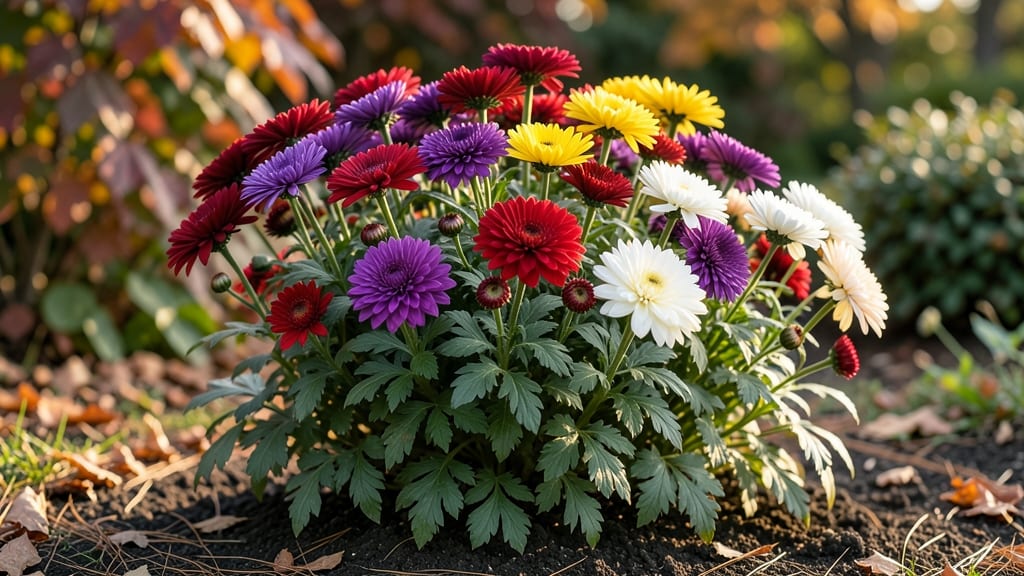
Autumn-blooming flowers like chrysanthemums, asters, and goldenrod thrive in cooler temperatures, delivering vibrant colors from September through November. These hardy plants often require minimal watering, making them perfect for low-maintenance fall gardens.
Autumn is the season when many resilient flowers shine brightest, adapting beautifully to dropping temperatures and shorter days. 🌿 Unlike spring or summer bloomers, these varieties often develop thick, woody stems and deep root systems that store moisture—key traits for surviving fall's drier air.
I've noticed that chrysanthemums, for example, can handle light frosts while still producing blooms, and their wide color palette lets you create striking seasonal displays with minimal effort. For gardeners in cooler climates, these flowers offer a reliable way to extend the growing season well into November.
What's especially useful is how many of these flowers double as pollinator magnets. 🐝 Asters, for instance, attract bees and butterflies right when other plants are winding down, while goldenrod provides late-season nectar for migrating birds. The secret to their success?
Most bloom on new growth rather than old wood, so they'll keep producing flowers even as temperatures dip. This makes them far more adaptable than their spring counterparts, which often struggle when summer heat arrives.
💡 In This Article
- Why Autumn-Blooming Flowers Thrive in Cool Weather
- Best Autumn Flowers by Color, Height, and Garden Use
Why autumn-blooming flowers thrive in cool weather
Autumn-blooming flowers have evolved sophisticated survival strategies to flourish when temperatures drop and daylight shortens. Unlike spring or summer varieties, these plants often employ a delayed flowering mechanism triggered by cooler air and reduced sunlight.
For example, chrysanthemums (mums) produce a hormone called florigen in response to shorter days, which signals their buds to open. This adaptation ensures they bloom precisely when other flowers have faded, creating a stunning seasonal contrast.
Their root systems are another key advantage. Many autumn flowers develop deep, fibrous roots that extend 12-18 inches below the surface, accessing moisture stored from summer rains. Goldenrod, for instance, has roots that spread aggressively to capture water, while asters form dense root networks that prevent soil erosion.
This drought resistance is why they thrive even when autumn rains become sporadic. 🌱 The trade-off? Their stems often become woody and rigid, providing structural support against wind and frost.
Temperature plays a crucial role in their color intensity too. Cooler nights (around 50-60°F) enhance the production of anthocyanins, the pigments responsible for deep reds and purples in flowers like Japanese anemones. These pigments act as natural sunscreens, protecting leaves from UV damage while creating vibrant hues.
Compare this to summer bloomers, which often rely on bright yellows or whites that fade in cooler light—autumn flowers compensate by developing richer, more saturated colors as temperatures drop.
One fascinating exception is heather, which actually blooms better in near-freezing conditions. Its flowers contain antifreeze proteins that prevent ice crystal formation in their cells, allowing them to remain active even when other plants are dormant.
This extreme cold tolerance is why heather thrives in high-altitude gardens and northern climates where other autumn flowers would perish. 🥶 The contrast between heather's resilience and the delicate beauty of garden mums highlights how diverse autumn-blooming species have adapted to their specific microclimates.
Light is another critical factor. Most autumn flowers are short-day plants, meaning they flower in response to decreasing daylight hours rather than specific temperatures. This explains why they bloom later in the season when days grow shorter.
The science here involves a protein called PHYTOCHROME that detects light duration, triggering the flowering process. It's why you'll see chrysanthemums in full bloom in October but barely any new growth in July—even if temperatures are similar.
For gardeners, this means timing is everything. Planting autumn bloomers in early spring gives their roots 4-5 months to establish before their flowering period begins. The deeper the roots, the better they'll handle autumn's dry spells and occasional frosts.
I've found that mulching with 2-3 inches of organic matter (like shredded leaves) helps retain soil moisture while insulating roots—critical for varieties like sedum that store water in their thick, succulent leaves.