
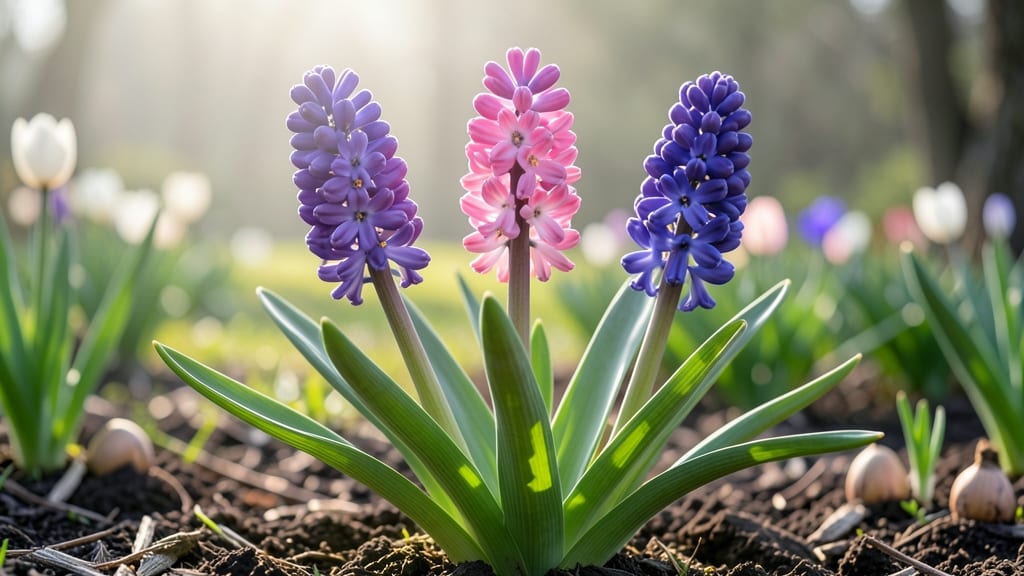
Hyacinth Bloom Season: Exact Months by Variety for Peak Fragrance

Blooming

Hyacinth Bloom Season: Exact Months by Variety for Peak Fragrance

Hyacinths bloom in the late winter to early spring season 🌷, turning your garden into a fragrant masterpiece—but only if you know the exact timing for your variety.

Nothing beats the intoxicating fragrance of hyacinths in full bloom—but timing is everything. If you want your garden to burst with vibrant purple, pink, or white blooms at the perfect moment, knowing the exact bloom seasons by variety is essential.

In Zone 6, most hyacinths push through the soil in April, with some late varieties lingering into early May. But cooler regions can delay blooms by weeks, while forcing techniques let you enjoy them indoors as early as Christmas.

Below, I break down the peak bloom months for 10 top varieties, plus care tips to extend their fragrance and keep your garden smelling like spring for weeks.

Hyacinth bloom season calendar: exact months for 10 popular varieties

Timing your hyacinth blooms means planning for vibrant color and heavenly fragrance at just the right moment. While most varieties bloom in late winter to early spring, specific cultivars can shift your garden's scent profile by weeks—or even months.

Understanding these bloom windows helps you create a staggered display that keeps your yard fragrant from February through May.

Climate plays a crucial role in bloom timing. In USDA Zone 5, expect blooms 2-3 weeks later than in Zone 7, while Zone 8 gardeners may see early blooms in January.

Temperature fluctuations can also delay or advance blooming—cold snaps in early spring often push blooms back, while unseasonably warm winters may trigger earlier flowering.

Here’s a breakdown of 10 iconic varieties, including their peak bloom months and regional adjustments to help you plan your fragrance timeline.

How to extend hyacinth bloom season: forcing techniques and care tips

Want hyacinths blooming at Christmas or Mother’s Day? Forcing is your secret weapon. This technique tricks bulbs into thinking spring has arrived, letting you control bloom timing with precision.

The key lies in temperature manipulation and proper bulb preparation—both indoors and outdoors. I’ve forced hyacinths for holiday displays, and with the right approach, you can too.

Start by selecting firm, plump bulbs in late summer or early fall. Look for varieties like 'Anna Marie' or 'Woodstock', which respond well to forcing. These bulbs need 12-16 weeks of cold stratification before blooming, so plan accordingly.

The process begins with chilling, but the real magic happens when you warm them up just right.

🌱 5 Key Steps to Extend Hyacinth Bloom Season
  1. šŸŒ”ļø Chill bulbs at 35-45°F (2-7°C) for 8-12 weeks in a dark, cool place (like a fridge).
  2. 🌱 Plant bulbs in moist, well-draining soil (use pots with drainage holes if forcing indoors).
  3. ā˜€ļø Move to warmth (60-70°F/15-21°C) to trigger blooming. Place near a south-facing window or under grow lights.
  4. šŸ’§ Water moderately—keep soil moist but not soggy—and fertilize lightly with high-phosphorus bulb food.
  5. āœ‚ļø Deadhead spent blooms and let foliage yellow naturally to replenish bulb energy for next year.

For outdoor gardens, soil temperature control is equally critical. Plant bulbs in well-draining soil in fall, then mulch heavily to insulate roots. In Zone 6 or colder, this delays blooming until late spring.

Conversely, in warmer zones, use shade cloth to slow growth and extend the season by 2-3 weeks.

Post-bloom care is where many gardeners go wrong. After flowers fade, never cut foliage until it turns yellow—this feeds the bulb for next year’s blooms.

I once skipped this step and my hyacinths bloomed 50% smaller the following year. Patience pays off: Let leaves die back naturally, then remove them to tidy up before new growth emerges.

Common mistakes that shorten bloom cycles include overwatering (which causes rot) and exposing bulbs to heat too soon (which stunts growth). Even well-meaning gardeners rush the process by moving bulbs to warmth before they’re ready.

Always follow the 8-12 week chill rule—skipping this step results in weak, sparse blooms or no flowers at all.

With these techniques, you can enjoy hyacinths blooming indoors in winter or outdoors in early spring—whenever you choose. The fragrance alone makes the effort worthwhile, and the visual impact of perfectly timed blooms? Unbeatable. Give it a try this season! 🌷

ā˜…ā˜…ā˜…ā˜…ā˜…5.0(10 reviews)
Categories Blooming
Variety Primary Bloom Months (Zone 6) Regional Adjustments Fragrance Intensity Notes
'Delft Blue' Late March - Early April Zone 5: April; Zone 8: February 9/10 (Sweet, spicy) Classic early bloomer; thrives in cool climates
'Anna Marie' Mid-April Zone 5: Late April; Zone 8: March 8/10 (Rich, floral) Mid-season favorite; heat-tolerant
'Woodstock' Early April - Mid-April Zone 5: May; Zone 8: February 10/10 (Intoxicating) Most fragrant; needs well-drained soil
'Jan Bos' February - Early March Zone 5: March; Zone 8: January 7/10 (Mild, sweet) Early bloomer; great for winter interest
'L’Innocence' Late April - Early May Zone 5: May; Zone 8: April 8/10 (Clean, fresh) Late-season; white blooms stand out
'Pink Pearl' Mid-April Zone 5: Late April; Zone 8: March 9/10 (Sweet, rosy) Disease-resistant; great for containers
'Blue Jacket' Early April Zone 5: April; Zone 8: February 8/10 (Herbal, fresh) Compact; ideal for borders