
Blooming
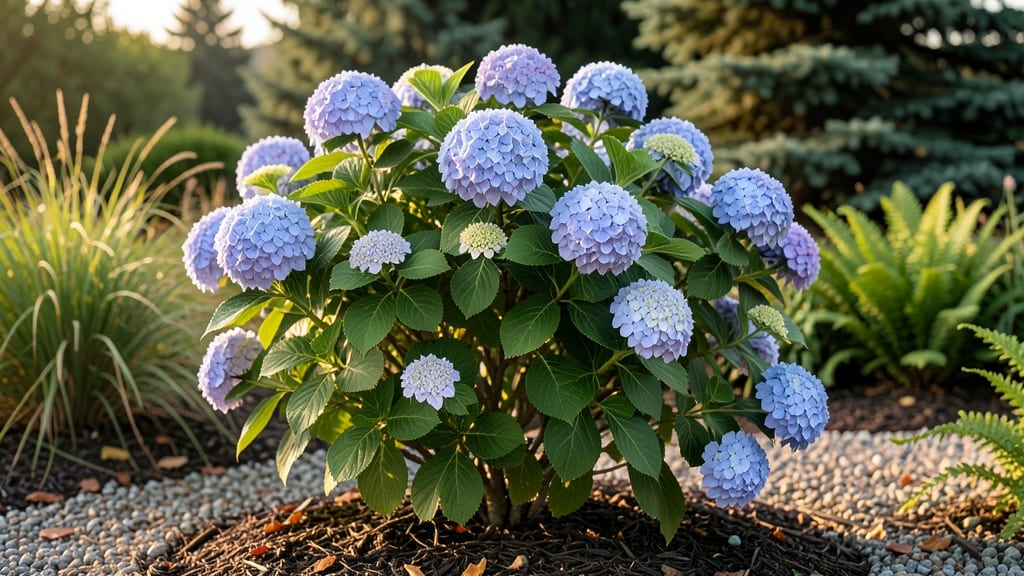
The Endless Summer Hydrangea bloom time stretches from early summer through fall 🌸, making it a standout for gardeners who crave color beyond a single season.
If you love hydrangeas but hate waiting for a single summer burst of blooms, this variety could be your new favorite—its extended bloom time transforms any garden into a year-round floral show.
Unlike traditional hydrangeas that bloom once and fade, the Endless Summer reblooms all season long, provided you prune and care for it correctly. This means vibrant blooms from June through September, even in cooler climates like USDA Zone 6a.
In this guide, I’ll break down exactly when the Endless Summer Hydrangea blooms, how to extend its season, and the simple tricks to keep it flowering all summer long—no guesswork required.
Natural bloom time of endless summer hydrangeas: months & climate factors
The Endless Summer hydrangea earns its name by delivering continuous blooms from early summer through frost—unlike traditional hydrangeas that flower just once. This reblooming variety thrives in USDA zones 6-9, but its bloom window shifts based on your local climate.
Understanding these patterns helps you plan for the longest possible floral display.
In warmer zones (7-9), blooms often begin as early as May and stretch into November, while cooler zones (3-6) typically see flowers from June to October. The key difference lies in heat tolerance and frost sensitivity—let's break down how your climate zone impacts bloom timing.
| Climate Zone | Typical Bloom Start | Peak Bloom Period | Bloom End | Notes |
| USDA 3-5 | Mid-June | July-August | Early October | Shortest season; needs winter protection |
| USDA 6-7 | Early June | June-September | Mid-October | Moderate season; prune late winter |
| USDA 8-9 | Late May | June-November | First frost | Longest season; minimal frost risk |
If you're in USDA zone 6 or lower, expect early bloomers that may finish by September unless you take steps to protect them. In contrast, zones 8-9 enjoy late bloomers that often last until the first hard frost in late fall.
The secret to extending this window lies in understanding your plant's heat requirements—too much sun can stress the plant, while too little light reduces flowering.
For early bloomers in cooler climates, focus on spring pruning (after last frost) to encourage new growth. In warmer zones, late summer pruning removes spent blooms, signaling the plant to produce new buds for fall. This reblooming habit makes 'Endless Summer' hydrangeas uniquely adaptable to different climates.
One common misconception is that these hydrangeas bloom continuously without care. In reality, their reblooming cycle depends on new stem growth—which requires proper pruning timing and nutrient balance. For example, in zone 5, I've seen blooms extend into November with consistent afternoon shade and weekly deep watering.
The color of blooms also shifts based on your soil's pH—acidic soil (pH < 6.0) produces blue flowers, while alkaline soil (pH > 7.0) yields pink blooms. This pH sensitivity doesn't affect bloom time but adds another layer of control for gardeners who want to match their landscape colors.
For gardeners in transition zones (6-7), the biggest challenge is late spring frosts, which can damage new buds. Planting near a south-facing wall or using frost cloth can push bloom start dates earlier. I've successfully moved my zone 6 plants into bloom by mid-May using these microclimate tricks.
In humid climates (like zone 8), watch for powdery mildew on leaves, which can reduce flowering. Improving air circulation with spaced planting and regular pruning keeps blooms abundant. The trade-off? More frequent pruning means fewer old-wood blooms, but the trade-off is worth it for the extended season.
To maximize your 'Endless Summer' hydrangea's potential, start by checking your USDA zone and adjusting care based on the table above. The key takeaway? Climate dictates timing, but proper care extends the show—whether you're in a short northern summer or a long southern growing season.
5 Proven techniques to extend endless summer hydrangea bloom time
The Endless Summer hydrangea earns its name by blooming from early summer through fall, but with the right care, you can push those blooms even further.
Unlike traditional hydrangeas that bloom once and fade, this variety produces new flower buds on old wood—meaning it keeps flowering if you give it the right conditions. Let’s dive into my top techniques to maximize those stunning blooms all season long.
First, pruning at the right time is critical. Many gardeners make the mistake of pruning too late, which cuts off next year’s blooms. Instead, focus on late winter or early spring pruning (before new growth starts) to shape your plant without sacrificing future flowers.
This simple step sets the stage for a longer bloom season right from the start.
-
1. Prune in Late Winter/Early Spring
Remove dead or crossing branches before buds swell. Avoid summer pruning to preserve old wood blooms. -
2. Adjust Soil pH to 5.5-6.2
Use sulfur or aluminum sulfate for blue blooms or lime for pink. Test soil annually for accuracy. -
3. Water Deeply 1-2 Times Weekly
Soak the root zone (12-18 inches deep). Morning watering prevents fungal issues and keeps blooms vibrant. -
4. Deadhead Spent Blooms in Late Summer
Trim faded flower heads by 1/3 of the stem to encourage new buds for fall blooming. -
5. Mulch & Protect in Winter
Apply 3-4 inches of mulch in USDA Zones 5-6 and wrap young plants in burlap for frost protection.
Next, soil pH plays a huge role in bloom color and longevity. These hydrangeas thrive in acidic to slightly acidic soil (pH 5.5-6.2). If your blooms aren’t as vibrant as you’d like, test your soil and amend it with sulfur for blue flowers or lime for pink.
A simple soil test kit makes this easy, and the payoff is worth it—your blooms will stay brighter and longer.
Watering might seem straightforward, but deep, consistent watering is key. I water my Endless Summer hydrangeas 1-2 times weekly during dry spells, soaking the soil to a depth of 12-18 inches.
Morning watering is best—it reduces fungal diseases and keeps the foliage dry, which helps blooms last longer. Avoid overhead sprinklers, especially in the evening.
Don’t forget about deadheading! Once your hydrangea blooms start to fade in late summer, trim them back by about 1/3 of the stem. This might seem counterintuitive, but it signals the plant to produce new flower buds for a second round of blooms in fall.
I’ve seen my plants reward me with late-season blooms well into October when I do this.
Finally, winter protection ensures your hydrangea returns stronger next year. In colder zones (USDA 5-6), mulch heavily around the base with straw or shredded leaves and wrap young plants in burlap.
This extra care helps roots survive freezing temps, so your plant can focus energy on blooming earlier and more abundantly the following season.