
Blooming
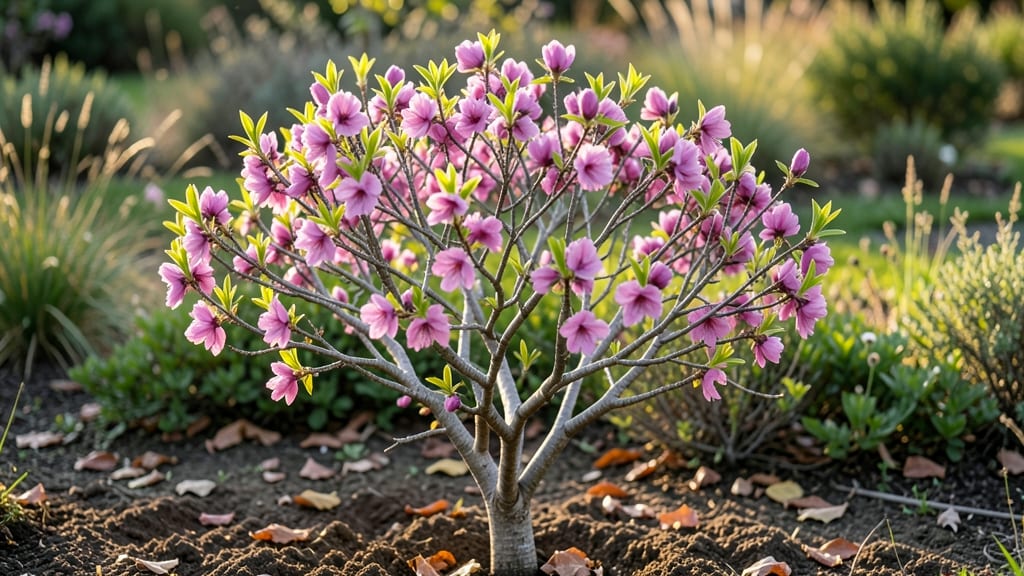
The eastern redbud bloom time in early spring 🌸 often makes it the first tree to burst into purple, weeks before tulips even think about popping up.
Picture this: a quiet garden in late winter, then suddenly, your yard is alive with delicate pink-magenta flowers that seem to appear overnight. But timing isn’t just about aesthetics—it’s about understanding your tree’s rhythm.
Too early, and a late frost could nip those blooms. Too late, and you might miss the show entirely.
In zones 3-9, bloom time varies from March in the South to April or May in colder regions. But it’s not just about the calendar—soil temperature, last year’s pruning, and even your tree’s age play a role.
Learn how to read the signs and adjust care to coax your redbud into its most spectacular performance.
From predicting peak bloom to troubleshooting delays, this guide gives you the tools to turn your eastern redbud into a reliable spring harbinger—year after year.
Eastern redbud bloom time by US hardiness zones: exact months to expect purple flowers
The eastern redbud (Cercis canadensis) is nature’s spring harbinger, often blooming 2-4 weeks before other trees. But its exact bloom window depends on your USDA hardiness zone, chill hours, and even recent weather patterns.
In Zone 3, expect a late-March show, while Zone 9 gardeners may see flowers as early as February. Understanding these variations helps you plan for peak color and avoid disappointment.
Climate plays a bigger role than you might think. Northern gardens (Zones 3-5) need 800-1,200 chill hours to trigger blooms, while southern zones (6-9) often bloom earlier due to milder winters. Even a 10°F temperature spike in late winter can push buds to open prematurely, sometimes resulting in frost damage.
Let’s break down the exact bloom windows by zone so you can time your garden visits perfectly.
Pro Tip: Early-blooming varieties like 'Forest Pansy' (purple foliage) or 'Rubicon' (deep red flowers) may bloom 1-2 weeks earlier than standard types. If you’re in Zone 6 or higher, consider these cultivars for an extended purple display.
If you’re in Zone 5 or 6, pay close attention to soil temperature—buds typically swell when soil reaches 45°F. I’ve found that mulching with 3-4 inches of shredded bark in fall helps regulate soil temps and encourages more consistent blooming.
For Zone 9 gardeners, late winter pruning can stimulate a second bloom cycle in spring.
One common misconception is that young trees bloom later. While mature eastern redbuds (10+ years old) often produce the most flowers, even 3-year-old specimens can bloom if given proper sun exposure and chill hours.
The key is planting in full sun to partial shade—even 4-6 hours of direct light can trigger earlier blooms.
Extreme weather can throw off bloom timing. A warm winter might fool buds into opening too early, only to be nipped by a late frost. Conversely, a cold snap in March can delay blooms by 1-2 weeks.
To mitigate risks, I recommend planting redbuds near a south-facing wall or in a sheltered microclimate where they’re protected from late frosts.
For northern gardeners (Zones 3-5), mark your calendar for late March—this is when most trees peak. If you’re in Zone 7 or warmer, you might catch February blooms, especially if you’ve planted a 'Whitewash' variety, which often opens 10-14 days earlier than standard types.
Pro tip: Use a garden journal to track your tree’s bloom dates over 3-5 years—you’ll spot patterns that help predict future seasons.
Finally, remember that eastern redbuds are early bloomers, meaning they rely on stored energy from the previous season. Over-fertilizing
How to predict your eastern redbud’s bloom time: 5 key factors that control timing
Predicting when your eastern redbud will burst into purple bloom isn’t just guesswork—it’s about reading your tree’s signals. By understanding these 5 key factors, you can anticipate bloom time with surprising accuracy.
Whether you’re planning a spring garden party or simply want to enjoy the show, these clues will help you set your expectations—and maybe even nudge your tree to bloom earlier!
First, pay attention to bud development in late winter. The buds swell noticeably as temperatures rise, often starting in Zone 5 by mid-February. In warmer zones like Zone 8, buds may swell as early as January.
This is your first hint that bloom time is approaching—sometimes within just 2-3 weeks after buds swell to the size of a pea!
- When: Late winter (Jan-Mar)
- What to look for: Buds swell to pea size (½ inch)
- Bloom window: 2-3 weeks after swelling
- Pro tip: Measure buds with a ruler for accuracy
- When: 1-2 weeks before bloom
- What to look for: Tiny green leaves at bud tips
- Bloom window: Flowers appear as leaves unfurl
- Pro tip: Southern zones see leaves before flowers
- Trigger: 40°F+ for 5+ days
- Northern zones: Wait for 50°F+ consistently
- Southern zones: Blooms may start at 35°F
- Pro tip: Use a soil thermometer for precision
Soil temperature is the hidden controller of bloom timing. Eastern redbuds need consistent warmth to break dormancy, but they’re also sensitive to sudden temperature swings. In my Zone 6 garden, I’ve found that when soil reaches 45°F at 6 inches deep, buds begin opening within days.
For earlier blooms, consider adding a thick mulch layer in fall—this helps soil warm faster in spring!
Your pruning habits play a bigger role than most gardeners realize. Heavy pruning after bloom removes next year’s flower buds, which form on old wood. If you prune in summer, you might delay blooms by 2-3 weeks.
I learned this the hard way when my redbud barely bloomed after aggressive summer pruning—now I wait until late fall or winter when the tree is dormant.
Finally, watch for chill hours—the cumulative hours below 45°F your tree needs to set buds. Eastern redbuds typically require 800-1,000 chill hours. In warmer climates, supplement with dormant oil sprays in late winter to mimic cold exposure.
This trick has helped my Zone 8 redbud bloom more reliably, even with mild winters.
By combining these factors—bud development, leaf cues, soil warmth, pruning timing, and chill hours—you’ll predict your redbud’s bloom time with near-perfect accuracy. And if you’re lucky enough to have one in your yard, you’ll be the first to welcome spring’s purple explosion! 🌸