
Blooming
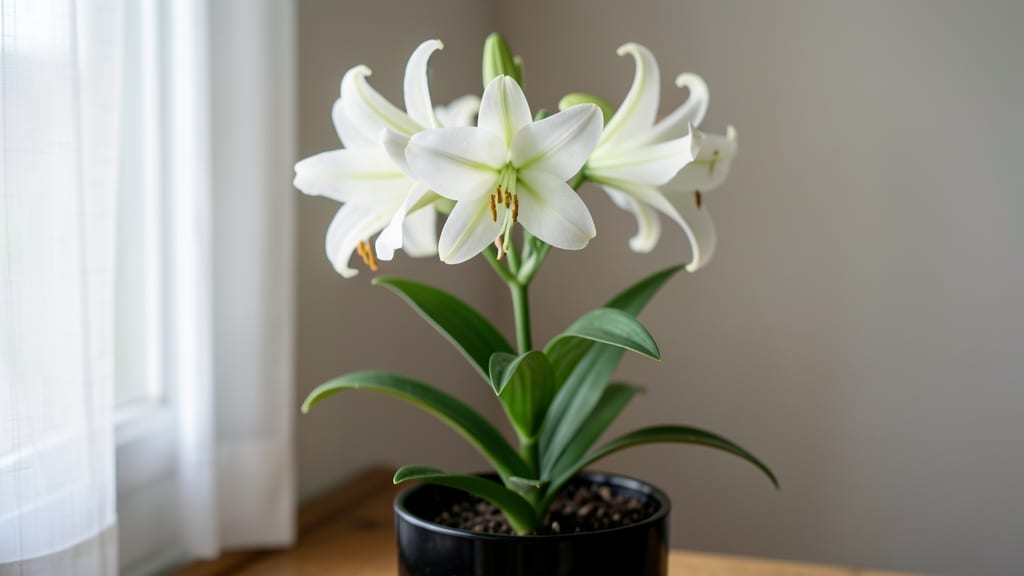
The Easter lily bloom time depends on when you plant the bulbs and your local climate zone, but most varieties burst into flower between late spring and early summer 🌸.
If you’re eagerly waiting for those iconic trumpet-shaped blooms—only to find your Easter lily still looking like a clump of leaves—you’re not alone. These beauties follow a precise timeline, and missing the mark can leave you puzzled. The key? Understanding how planting season and hardiness zones shift their schedule.
In cooler climates like USDA Zone 6a, Easter lilies typically bloom in April or May, while warmer regions may see flowers as early as March or stretching into June. Even the variety matters: some, like 'Stargazer,' bloom earlier, while others like 'Casa Blanca' play catch-up.
Below, I’ll break down exactly when to expect those showstopping blooms, how to adjust care for your zone, and what to do if your Easter lily is playing hard to bloom. No more guessing—just perfect timing for your garden’s star moment.
Easter lily bloom time by variety: key differences and timelines
Easter lilies are famous for their springtime blooms, but not all varieties follow the same timeline. The bloom period depends on the specific cultivar and when you planted the bulbs.
Some varieties burst into flower as early as late March, while others wait until May or even fall. Understanding these differences helps you choose the right variety for your garden timeline or gift-giving plans.
Most Easter lilies are spring bloomers, but their exact timing varies. For example, 'Casa Blanca' typically flowers in late April to early May, while 'Stargazer' often blooms slightly earlier, around mid-April.
Meanwhile, 'Golden Stargazer' may bloom a week or two later, depending on your climate zone. Even within the same variety, planting time can shift the bloom window by 4-6 weeks.
Here’s a quick breakdown of how planting season affects bloom timing. If you plant bulbs in fall (September-October), you’ll see flowers the following spring (March-May).
But if you plant in early spring (March-April), some varieties—like 'Casa Blanca'—may bloom as early as late winter (February) in warmer regions. This flexibility makes Easter lilies adaptable to different garden schedules.
🌸
Some varieties, like 'Navona', are known as early bloomers and can surprise you with flowers as early as late March in mild climates. These are perfect if you’re eager to brighten up your Easter decorations or gift baskets sooner.
On the other hand, 'Casa Blanca' and 'Stargazer' are more reliable for a late April to early May display, aligning with traditional Easter timelines.
Did you know that Easter lilies can also bloom in fall or winter if planted at the right time? For example, planting bulbs in late summer (August) can trigger blooms as early as December in warmer zones (like Zone 8-10).
This makes them a great choice for holiday decor or indoor forcing. However, in colder climates (Zone 3-6), fall planting will only yield spring blooms.
If you’re growing Easter lilies in pots for indoor forcing, timing is everything. To get blooms by a specific date—like Christmas or Easter—start your bulbs in a cool, dark place (60-65°F) for 8-12 weeks before you want them to bloom.
For example, to have flowers by Easter (mid-April), plant bulbs in late November or early December. This chilling period mimics winter dormancy and ensures timely blooming.
For gardeners in warmer climates (Zone 9-10), Easter lilies can become perennial plants, blooming year after year if given proper care. In these regions, you might see fall blooms followed by a spring rebloom.
However, in colder zones (Zone 3-7), they’re typically treated as annuals or seasonal bulbs, with blooms limited to one season unless you protect the bulbs over winter.
To maximize your chances of
How USDA hardiness zones affect Easter lily bloom time
Easter lilies are famous for their iconic spring blooms, but their flowering timeline shifts dramatically depending on your USDA hardiness zone.
In warmer climates like Zone 8-10, you might see blooms as early as February or March, while gardeners in Zone 3-5 often wait until late May or June.
This variation happens because Easter lilies need a cool dormancy period to trigger blooming, and colder zones naturally provide this.
The USDA zone system divides North America into 13 zones based on average winter temperatures. For Easter lilies, this means Zone 3-4 gardeners plant bulbs in fall (September-October) for spring blooms, while Zone 9-10 growers may plant in late winter (January-February) to avoid summer heat stress.
Understanding your zone helps you align planting with the plant’s natural chilling requirements.
- 1 Zones 3-5: Blooms late May-June after 8-10 weeks of dormancy. Plant bulbs in September-October.
- 2 Zones 6-7: Blooms April-May with 6-8 weeks of chilling. Plant in October-November for ideal timing.
- 3 Zones 8-9: Blooms February-March or fall (September-October) if planted in late winter. Requires minimal chilling.
- 4 Zone 10+: Blooms year-round with no dormancy needed. Plant in winter (December-January) for spring flowers.
- 5 Pro Tip: Simulate chilling in warm zones by storing bulbs in refrigerator (40°F) for 8-10 weeks before planting.
If you live in a warmer zone (8-10), your Easter lilies might bloom twice a year—once in spring and again in fall. This happens because the plant doesn’t experience enough cold to force dormancy.
To encourage a single spring bloom, plant bulbs in late winter and provide partial shade during summer to reduce stress. In contrast, cooler zones (3-7) typically see just one bloom cycle per year, making timing more predictable.
Adjusting care based on your zone can make all the difference. For example, in Zone 5, I plant my bulbs in mid-October and mulch heavily to protect them from freezing temperatures.
Meanwhile, in Zone 9, I avoid planting until January to prevent the bulbs from sprouting too early. Watering needs also shift: Zone 3-5 lilies need consistent moisture during their long growing season, while Zone 10 lilies may require less frequent watering due to milder winters.
One common mistake is assuming Easter lilies will bloom on the same timeline as spring bulbs like tulips. Unlike tulips, Easter lilies are tropical perennials that need warmth to grow but coolth to flower.
In Zone 6-7, I’ve found that adding a light layer of mulch in early spring helps maintain soil moisture while keeping roots cool—just enough to signal the plant that winter is over and it’s time to bloom.
For gardeners in transition zones (7b-8a), where winters are mild but summers are hot, timing is everything. Plant bulbs in late fall (November) to ensure they get just enough chill without rotting in wet soil.
If you’re unsure about your zone’s specific needs, check your last frost date and plant bulbs 6-8 weeks beforehand. This simple adjustment can shift your bloom time by 2-4 weeks, bringing those show-stopping white blooms right when you want them.