
Blooming
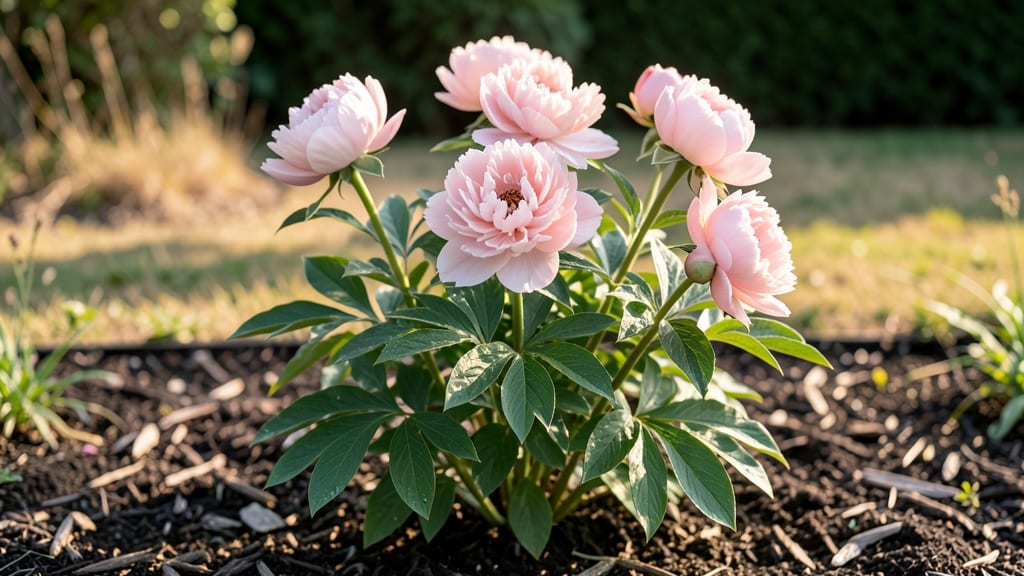
Double bloom peonies transform your garden into a fragrant cloud of petals—twice the beauty, half the light. 🌸 I learned the hard way that these varieties need different care than their single-bloom cousins, but once you master their quirks, they reward you with 6-8 weeks of show-stopping flowers instead of just one burst.
The secret to their success lies in well-draining soil and partial shade—they handle morning sun but hate afternoon heat. Unlike single blooms, double varieties need extra support for heavy stems, so stake them early.
My first attempt flopped when I planted them too deep, but after adjusting, they’ve become the star of my shade garden.
You’ll enjoy blooms that last longer and perfume the air with that classic peony scent, even in spots where other plants struggle. The trade-off? They bloom later in spring but make up for it with a second flush in fall if you prune correctly.
That second wave is worth the patience.
Perfect for gardeners with limited sun or those who want to extend their blooming season. Here’s how to get started without the common pitfalls—like bud rot or flopping stems—that trip up beginners.
📚 In This Guide
- What you need
- Instructions
- Tips and common mistakes
- Wrapping up and next steps
What you need
- ● Double bloom peony roots – Choose healthy, disease-free tubers (3–5 eyes per root for optimal blooms). Pro tip: 💡 Buy from reputable nurseries or online sellers specializing in peonies.
- ● Well-draining soil mix – A blend of 60% topsoil, 30% compost, and 10% perlite/sand (pH 6.5–7.0). Avoid heavy clay.
- ○ Organic fertilizer – 10-10-10 or 5-10-10 (balanced NPK) or bone meal (for phosphorus, critical for blooms). Optional: Slow-release granules for convenience.
- ● Mulch – 2–3 inches of wood chips or straw to retain moisture and regulate soil temp.
- ● Watering can or hose with a gentle spray nozzle – Peonies hate soggy roots!
- ● Garden trowel or shovel – For planting roots 1.5–2 feet deep (eyes facing upward).
- ● Pruning shears – To trim dead foliage post-bloom and shape plants.
- ○ Garden stakes or cages – Optional but helpful for supporting heavy blooms (especially for tall varieties).
- ○ Sunlight meter or app – Optional to confirm your garden gets at least 4–6 hours of indirect light daily.
- ● Patience! – Double bloom peonies may take 2–3 years to reach full flowering potential.
Step-by-step instructions for planting and caring for double bloom peonies
Here’s how to coax those lush, fragrant double blooms from your peonies with minimal fuss.
🌱 Step 1: Choose the Perfect Planting Spot
Peonies thrive in partial shade to full sun—ideally 4-6 hours of direct sunlight daily. I always plant mine where they’ll get morning sun and afternoon shade, especially in hotter climates. The soil should drain well but retain moisture; peonies hate soggy roots.
Dig a hole twice as wide as the root ball but only 1-2 inches deeper than the top of the roots. Planting too deep will delay blooming, and you’ll know it’s right when the eyes (buds) sit 1-2 inches below the soil surface. This ensures strong stems and abundant flowers.
💧 Step 2: Amend the Soil and Plant
Mix the native soil with compost or well-rotted manure to enrich it—peonies love fertile ground. Avoid fresh manure, though; it can burn roots. I like to add a handful of bone meal (low in nitrogen) to encourage blooms over foliage.
Place the peony roots in the hole, spreading them gently. Cover with soil, pressing lightly to remove air pockets. Water deeply right after planting to settle the soil and eliminate gaps. You’ll see new growth within 2-3 weeks—that’s your sign the roots are happy.
☀️ Step 3: Water and Mulch for Year-Round Care
Water deeply once a week during the first growing season, ensuring the soil stays evenly moist but not waterlogged. Once established, peonies are drought-tolerant, but consistent moisture helps double blooms thrive. I check by sticking my finger 2 inches into the soil—if it’s dry, it’s time to water.
Apply 2-3 inches of mulch (straw or shredded leaves work best) around the base to retain moisture and regulate soil temperature. Keep the mulch 2 inches away from the stems to prevent rot. In winter, leave the mulch in place—it protects roots from freezing.
✂️ Step 4: Prune and Deadhead for More Blooms
After the first flush of blooms fades, cut stems back to 1-2 inches above the ground—this encourages a second bloom cycle. I always use clean, sharp pruners to avoid damaging the plant. Never prune in fall; wait until late winter or early spring to trim any dead or weak stems.
Remove spent blooms by cutting the stem just above a leaf node (where new growth emerges). This redirects the plant’s energy into stronger stems for next year’s blooms. If you see black spots or powdery mildew, prune those areas immediately and treat with neem oil to prevent spread.
⏰ Step 5: Winterize and Prepare for Next Season
In late fall, stop fertilizing and watering. Peonies go dormant naturally, and overwatering in winter can rot the roots. I add an extra 2 inches of mulch before the first frost to insulate the soil. In spring, remove the old mulch and replace it with fresh compost to feed the plant.
Watch for new shoots in early spring—they’re your cue to start light fertilizing. A balanced 10-10-10 fertilizer in early spring and again after the first bloom promotes healthy growth. Avoid high-nitrogen fertilizers; they’ll give you leaves but few flowers.
Tips & tricks for perfect double bloom peonies
Took me years to figure out these little tricks—here's how to avoid the most common pitfalls with your double bloom peonies.
Planting Depth Matters: Those 1-2 inches below the soil surface for the eyes (buds) are critical. Planting too deep buries the buds, delaying blooms for years. I've seen peonies planted too deep take up to 5 years to bloom! Mark the depth on your shovel before planting to avoid mistakes.
Sunlight Strategy: The 4-6 hours of sunlight recommendation isn't just about quantity—it's about timing. Morning sun (cooler) and afternoon shade (protection from heat) creates the perfect balance. In hot climates, I've had better results with just 4 hours of morning sun than 6 hours of midday sun.
Watering Wisdom: That 2-inch soil moisture check is your best friend. I've learned the hard way that peonies can't tolerate soggy roots, but they also won't thrive if the soil dries out completely. Water deeply but infrequently—this encourages deep root growth that supports those heavy double blooms.
Mulch Magic: The 2-3 inches of mulch isn't just for winter protection—it's year-round insurance. In summer, it keeps roots cool; in winter, it insulates against freezing. I always keep mulch 2 inches away from stems to prevent rot, which has saved my plants from several fungal issues over the years.
Pro Tips for Double Bloom Peony
- Took me years to figure out these little tricks—here's how to avoid the most common pitfalls with your double bloom peonies.
- Planting Depth Matters: Those 1-2 inches below the soil surface for the eyes (buds) are critical.
- Sunlight Strategy: The 4-6 hours of sunlight recommendation isn't just about quantity—it's about timing.
Frequently asked questions
about double bloom peonies—because every gardener deserves clarity before diving in!How much light do double bloom peonies really need?
Double bloom peonies thrive in partial shade (4–6 hours of sunlight daily). Too much direct sun can scorch leaves, while deep shade may reduce blooms. A spot with morning sun and afternoon shade is ideal—think dappled light under trees or near north-facing walls.
Why aren’t my peonies blooming the second time?
Second blooms need consistent care: prune spent flowers after they fade (never cut green buds!), ensure well-draining soil, and feed with a low-phosphorus fertilizer (like 5-10-10) in early spring. Overwatering or crowded roots can also stunt blooms—give them space!
Can double bloom peonies survive winter in cold climates?
Peonies are hardy to USDA Zone 3 (-40°F). Mulch with 2–3 inches of straw or leaves after the first frost to protect roots. In spring, remove mulch once shoots emerge (usually by March). Pro tip: Avoid heavy mulch piles—it can suffocate roots!
What’s the best alternative if my yard has too much shade?
Try tree peonies (Paeonia suffruticosa)—they bloom in partial shade and tolerate cooler temps. For containers, double-flowering roses (like ‘The Fairy’) or hydrangeas (e.g., ‘Endless Summer’) are fragrant, low-light-friendly swaps. Just ensure pots have drainage!
How do I stop peony buds from rotting before blooming?
Bud rot is usually caused by fungus from wet conditions. Space plants 3–4 feet apart for airflow, water at the base (not leaves), and remove fallen blooms promptly. Apply neem oil or copper fungicide preventatively in spring. Bonus: Avoid overhead sprinklers!
Can I grow double bloom peonies in containers?
Yes! Use a 12–15-inch pot with drainage holes, a mix of garden soil and perlite, and repot every 3–4 years. Place in partial shade and water when the top inch of soil is dry. Dwarf varieties like ‘Sarah Bernhardt’ are perfect for containers. Just avoid cramped roots—peonies hate being root-bound!
Wrapping up and next steps
Growing double bloom peonies is a rewarding journey that brings year-round fragrance with surprisingly low light needs—perfect for gardeners of all levels! 🌸 Whether you’re a beginner or a seasoned green thumb, their lush petals and intoxicating scent make them a must-have.
With the right soil, spacing, and care, you’ll enjoy stunning blooms and even winter interest from their skeletal stems.
Ready to transform your garden? Start by planting your peonies this fall (or early spring in warmer climates) and watch them thrive with minimal fuss. Happy growing—your future blooms are waiting! 🌱