
Blooming
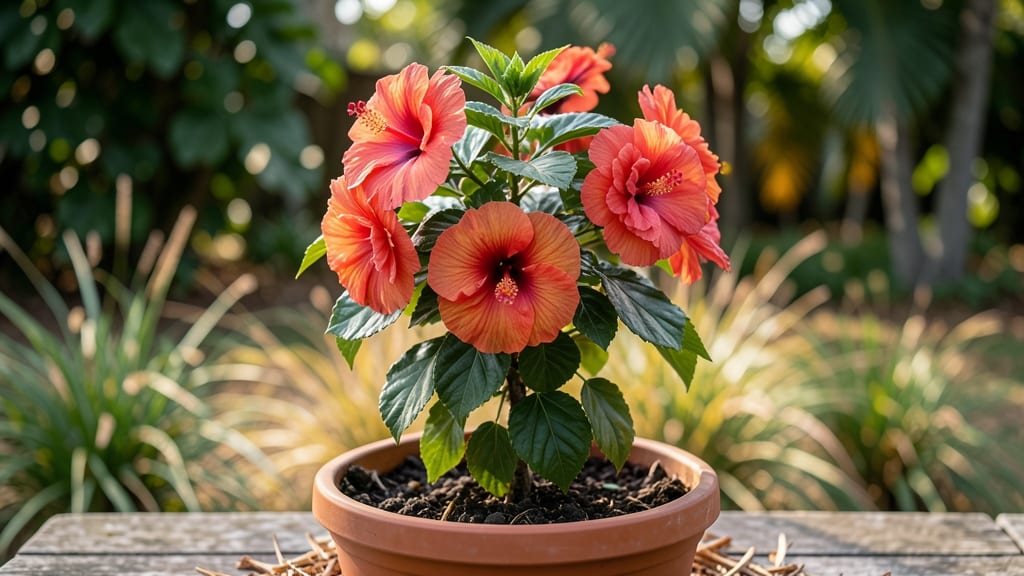
My double bloom hibiscus plant produces hundreds of flowers in a single season—something I never thought possible with my first attempt. 🌺 The secret lies in mimicking its natural tropical environment while keeping maintenance simple, so you don’t need a greenhouse to get dramatic results.
After years of trial and error, I’ve perfected a routine that delivers nonstop blooms from spring through fall, even in containers.
This variety thrives in full sun (at least 6-8 hours daily) and well-draining soil with a slightly acidic pH. Most gardeners overwater, but hibiscus roots hate soggy conditions—think of it like a thirsty friend who needs a drink but not a bath.
A balanced fertilizer every 4-6 weeks keeps the blooms coming, and winter care depends on your climate: tropical types need protection from frost, while hardy varieties can handle cooler temps.
Pruning isn’t as scary as it seems—just trim back leggy stems after flowering to encourage bushier growth. The real magic happens when you pinch back new growth in early spring, which triggers those signature double blooms.
With the right care, you’ll have a plant so lush it’ll make your neighbors ask for cuttings. Here’s exactly how to make it happen without the guesswork.
Whether you’re growing in pots or garden beds, this method works for both beginners and seasoned gardeners. The key is consistency: sun, water, and a little patience.
By the end of the season, you’ll have a hibiscus that looks like it belongs in a botanical garden—not just your backyard. Let’s get those blooms popping!
📚 In This Guide
- What you need
- Instructions
- Tips and common mistakes
- Wrapping up and next steps
What you need
- ● Double Bloom Hibiscus Plant: 1 mature plant (nursery-grown, Hibiscus rosa-sinensis ‘Double Bloom’ cultivar) OR
- ● Seeds (if starting from scratch—germination can be tricky!)
- ● Well-draining potting mix: 5-10 gallons (depending on pot size), blended with: 60% peat moss or coco coir
- ● 30% perlite or pumice
- ● 10% compost or worm castings (for nutrients)
- ● Container: 1 large pot (18"+ diameter) with drainage holes OR
- ● In-ground planting bed (full sun, sheltered from strong winds)
- ● Fertilizer: Slow-release granular fertilizer (10-10-10 or 14-14-14, 1 cup per plant at planting)
- ● Liquid bloom booster (20-20-20, monthly during blooming season)
- ● Pruning tools: Sharp bypass pruners (sterilized with rubbing alcohol)
- ● Garden shears (for larger branches)
- ● Watering can or hose with gentle spray nozzle (hibiscus hates soggy roots!)
- ○ Mulch: 2-3 inches of pine bark or straw (retains moisture, optional but helpful)
- ● Support stake or trellis (if growing tall varieties, 6-foot bamboo stakes work well)
- ● pH testing kit (ideal soil pH: 6.0–7.0)
- ○ Epsom salt (1 tbsp/month in water for magnesium boost, optional but beneficial)
- ● Grow lights or shade cloth (if indoors or in hot climates, 30–50% shade during peak sun)
- ● Climate: USDA Zones 9–11 (or container-grown in cooler zones)
- ● Sunlight: 6+ hours of direct sun daily (morning sun + afternoon shade in extreme heat)
- ● Water access: Drip irrigation or hose for deep watering 2–3x/week (more in heat)
- ● Patience: Double blooms may take 1–2 years to reach full flowering potential!
Step-by-Step guide to encouraging double blooms in hibiscus
Here's how I coax those stunning double blooms—it's all about light, feeding, and a little strategic pruning.
🌿 Step 1: Choose the Right Variety and Location
Start with a double-blooming hibiscus variety like 'Dwarf Red' or 'Lady Alice,' as single-bloom types won't produce the layered petals you want. These need full sun—at least 6-8 hours daily—to set buds properly. If you're in a hotter climate, provide afternoon shade to prevent leaf scorch, but keep morning sun exposure consistent.
I always check the plant's natural growth habit before buying. Double bloomers typically grow 3-5 feet tall and need space to develop strong canes. Place it where it gets unfiltered morning sunlight and bright, indirect afternoon light—this balance prevents the plant from getting sunburned while still encouraging bud formation.
☀️ Step 2: Feed for Continuous Flowering
Double blooming requires regular feeding with a balanced, water-soluble fertilizer (like 10-10-10) every 2-3 weeks during growing season. I switch to a low-nitrogen, high-phosphorus formula (like 5-10-5) once buds form to encourage more blooms. The key is consistency—never let the plant go more than 4 weeks without feeding in warm months.
Here's the thing—hibiscus are heavy feeders, but they hate salt buildup from fertilizers. Always water deeply before and after feeding to flush excess salts from the root zone. You'll know you're doing it right when new leaves appear bright green and glossy within a week of feeding.
💧 Step 3: Water Deeply and Maintain Moisture
Double bloomers need consistent moisture—never let the soil dry out completely, but avoid soggy conditions. I water deeply 2-3 times per week, soaking the top 6-8 inches of soil until water runs out the drainage hole. The soil should feel moist but not waterlogged—think of a damp sponge, not a dripping one.
Mulch with 2-3 inches of organic mulch (like shredded bark) to retain moisture and keep roots cool. This is especially important in summer when hibiscus can bolt (send up seed pods) instead of blooming. Watch for wilting leaves—this is your signal to water immediately, but don't overdo it. Hibiscus roots need oxygen too.
✂️ Step 4: Prune Strategically for More Blooms
Prune lightly in early spring to shape the plant and remove dead growth. Cut back overly leggy stems by one-third to encourage bushier growth. The goal is to keep the plant compact and well-branched—this creates more nodes where buds can form. I always use clean, sharp pruners to make cuts just above a leaf node or bud.
After the first flush of blooms, give the plant a light haircut—trim back spent blooms and seed pods to redirect energy into new growth. Never remove more than 20% of the plant's foliage at once, or you'll shock it into dormancy. You'll see new buds forming within 3-4 weeks of proper pruning if the plant is healthy.
🌱 Step 5: Overwinter for Year-Round Color
If you're in a colder climate, bring potted hibiscus indoors before first frost and place it near a south-facing window or under grow lights for 12-14 hours daily. Reduce watering to once every 10-14 days and stop fertilizing until spring. The plant will go dormant, but with proper care, it'll burst back into bloom in spring.
For outdoor plants in mild winters, protect them with burlap wraps or move them to a sheltered spot against a wall. Even a light frost can damage the plant, so cover with frost cloth if temperatures dip below 28°F. With this care, you'll have double blooms from spring through fall—and sometimes even into winter if conditions are right.
Tips & tricks for perfect double bloom hibiscus
Real talk: The difference between single blooms and those showstopping double layers comes down to these key adjustments—light management, feeding precision, and smart pruning.
Light Balance is Everything: In Step 1, when positioning your hibiscus for that critical 6-8 hours of full sun, pay special attention to morning light. East-facing windows or morning sun exposure are ideal because they provide gentle warmth that helps prevent leaf scorch. I've noticed that plants in afternoon-only sun often develop sunburned patches on leaves, which can stress the plant and reduce blooming. If you're using grow lights, position them 12-18 inches above the plant and use full-spectrum bulbs to mimic natural sunlight.
Fertilizer Timing Strategy: The switch from balanced 10-10-10 to low-nitrogen 5-10-5 in Step 2 is crucial, but timing matters just as much. I start the 5-10-5 formula when I see the first tiny buds forming—not after blooms open. This redirect of nutrients encourages more buds to develop rather than supporting existing flowers. Also, always flush the soil with water before and after fertilizing to prevent salt buildup, which can actually burn the roots over time.
Pruning Precision: When you're doing that one-third pruning in Step 4, focus on cutting just above a leaf node or bud. This creates a fresh growth point that will develop into a stronger stem capable of supporting those double blooms. I've made the mistake of cutting too close to the node, which can leave a wound that takes longer to heal. For the light haircut after blooming, remove spent blooms and seed pods within 24 hours—they're energy vampires that drain the plant when it should be focusing on new bud formation.
Winter Transition Tips: For overwintering in Step 5, the 12-14 hours of light is non-negotiable. If your indoor space doesn't get enough natural light, supplement with grow lights on a timer. I've seen hibiscus go dormant prematurely when they don't get enough light during winter months. Also, reduce watering to every 10-14 days—overwatering in winter can lead to root rot while the plant is in its dormant phase.
Pro Tips for Double Bloom Hibiscus Plant
- Real talk: The difference between single blooms and those showstopping double layers comes down to these key adjustme...
- Light Balance is Everything: In Step 1, when positioning your hibiscus for that critical 6-8 hours of full sun, pay s...
- Fertilizer Timing Strategy: The switch from balanced 10-10-10 to low-nitrogen 5-10-5 in Step 2 is crucial, but timing...
Frequently asked questions
Got questions about keeping your double bloom hibiscus thriving? You’re not alone! Here are answers to the most common queries—from blooming secrets to troubleshooting tips—so you can enjoy year-round color with ease.
How often does a double bloom hibiscus flower, and how can I encourage more blooms?
A healthy double bloom hibiscus can produce continuous flowers with proper care—up to 12 months a year in warm climates! To boost blooms, prune lightly after each flush (), fertilize monthly with a balanced, bloom-boosting formula (like 10-10-10), and ensure it gets 6+ hours of sunlight daily. Deadhead spent blooms to redirect energy.
Can double bloom hibiscus survive winter, and how do I protect it?
Most double bloom hibiscus are tropical/semi-tropical and need winter protection in cold zones (below 30°F/-1°C). Before frost: Prune back by ⅓, wrap the trunk with burlap, and mulch the base. Move potted plants indoors near a sunny window or use a greenhouse. In extreme cold (<20°F/-7°C), dig up container plants and store roots in dry peat moss.
Why aren’t my double bloom hibiscus leaves green? Yellow or purple hues mean trouble!
Color changes often signal nutrient deficiencies or stress. Yellow leaves? Likely overwatering or iron deficiency—adjust watering and add chelated iron. Purple stems/leaves? Usually phosphorus deficiency (boost with a bloom fertilizer) or too much shade. Brown edges? Could be fluoride buildup (use rainwater or filtered H₂O).
What’s the best alternative if I can’t grow double bloom hibiscus in my climate?
If your zone is too cold or dry, try these low-maintenance, long-blooming alternatives:
- Tropical Hibiscus (Hibiscus rosa-sinensis): Hardy to 20°F (-7°C) with winter care.
- Plumeria (Frangipani): Drought-tolerant and fragrant, but needs heat.
- Bougainvillea: Thrives in hot, dry climates with vibrant bracts.
- Mandevilla: Easy-to-grow vine with trumpet-shaped blooms.
For indoor options, consider Hibiscus syriacus (Rose of Sharon) or Anthurium—both bloom year-round with proper light.
Do I need to prune double bloom hibiscus aggressively, or can I skip it?
Pruning is key for shape, health, and blooms—but it’s not as intense as you might think! Light pruning (trimming back leggy stems by ⅓ after blooming) encourages fuller growth. Avoid heavy pruning in winter ( wait until spring in cold climates). Pro tip: Use sterilized shears and prune just above a leaf node for best results.
Wrapping up and next steps
Growing a double bloom hibiscus is a rewarding way to enjoy vibrant, year-round color with surprisingly little effort! With the right care—like choosing the perfect spot, providing balanced nutrients, and a little seasonal pruning—you’ll unlock lush, repeat blooms that turn heads.
Whether you’re a seasoned gardener or just starting, this plant proves that beauty and simplicity go hand in hand.
Ready to dive in? Start by selecting your favorite variety and give your hibiscus the love it deserves—your garden (and neighbors!) will thank you. 🌸