
Blooming
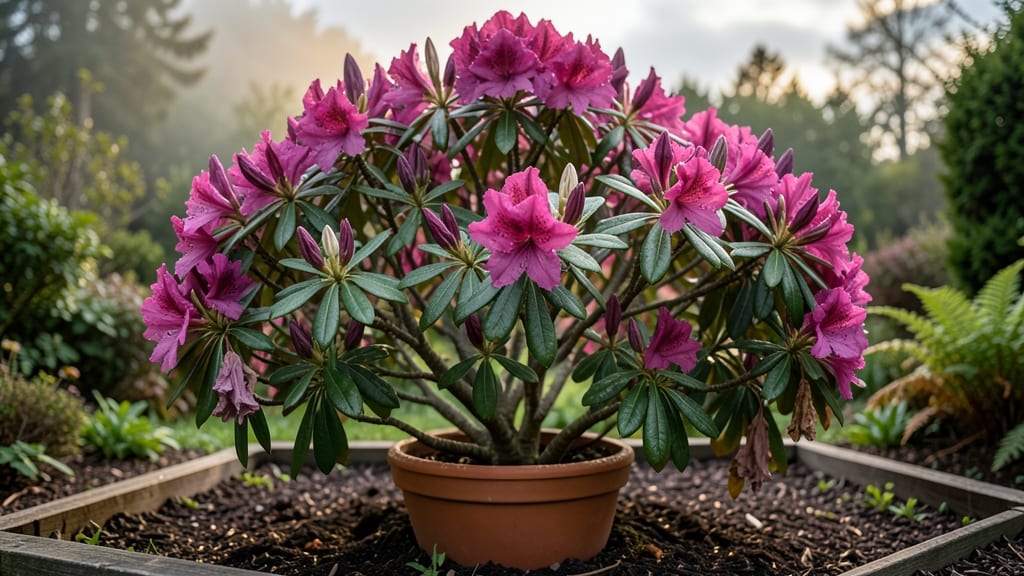
Rhododendrons do not bloom all summer; most varieties produce flowers in spring for 3-6 weeks, with some late-summer reblooming in warmer climates or specific cultivars like 'Elizabeth' or 'Anna Rose'. Timing depends on variety, climate zone, and pruning habits.
Rhododendrons are seasonal bloomers, with their peak flowering periods tightly linked to climate and variety. 🌸 In cooler regions, most types focus their energy on a single spring burst, while warmer zones may see a secondary bloom in late summer or early fall.
The key factor is chill hours—many rhododendrons need a period of cooler temperatures to trigger flower buds, which explains why tropical climates often miss the spring display entirely.
Even in ideal conditions, expect 4-8 weeks of continuous blooms at most, with some varieties like 'PJM' offering longer displays if given proper care.
What's fascinating is how location affects this timing. In USDA Zone 5, you might see early bloomers like 'Catawbiense' opening in April, while Zone 8 varieties like 'Nova Zembla' may bloom as late as June.
The same plant can behave differently in your backyard versus a neighbor's—microclimates create surprising variations in bloom windows. This is why gardeners in marginal zones often experiment with late-season cultivars to extend their floral season.
💡 In This Article
- Rhododendron Bloom Seasons by Variety and Climate
- How to Encourage Longer Rhododendron Blooming Periods
Rhododendron bloom seasons by variety and climate
Rhododendrons follow a biological rhythm tied to their native habitats in the Himalayas and eastern Asia, where distinct seasonal cues trigger blooming. Most varieties require 500-1,000 chill hours (temperatures between 32-45°F) to break dormancy and form flower buds.
This explains why northern climates (USDA Zones 4-6) often see more reliable spring blooms—plants receive ample winter chill. In contrast, southern zones (7-9) may produce only sporadic blooms unless you select heat-tolerant cultivars like 'Elf' or 'Tundra,' which thrive with minimal chill requirements.
The bloom window typically aligns with daylight length and temperature recovery. Early bloomers like 'Catawbiense' open their 4-6 inch funnel-shaped flowers in April when daytime highs reach 55-60°F, while late-season varieties such as 'Nova Zembla' may wait until June when soil temperatures stabilize above 60°F.
What's fascinating is how elevation affects this timing—mountain-grown rhododendrons often bloom 2-3 weeks later than lowland plants due to cooler microclimates. This creates stunning staggered displays in botanical gardens.
Color plays a surprising role in bloom timing too. Darker flowers like deep purples and reds (anthocyanin-rich) tend to open slightly later than pale pinks or whites because their pigments require more warmth to develop fully.
The 'Anna Rose' cultivar, for example, often extends its display into early summer because its salmon-pink blooms mature gradually over 6-8 weeks, unlike the 3-4 week window of most white varieties. This biological quirk means gardeners can strategically plant mixed colors to create continuous visual interest.
Climate zones also dictate whether you'll see a second bloom. In Zones 7-9, varieties like 'Elizabeth' may produce a modest late-summer rebloom if given consistent moisture and afternoon shade. The catch?
These secondary flowers are often smaller and less vibrant because the plant's energy is focused on root growth rather than floral display. In Zones 5 and below, the plant's survival instincts prioritize storing energy for winter, making summer blooms nearly impossible without specialized care.
Daylight exposure matters just as much as temperature. Rhododendrons need partial shade (30-50% sunlight) to bloom well—too much sun causes buds to abort, while too little shade results in sparse flowering. The ideal spot mimics their forest understory habitat, where dappled light filters through canopy trees.
This explains why rhododendrons planted in full sun may bloom 2-4 weeks later or produce fewer flowers than those in filtered light conditions.
What most gardeners overlook is how soil pH affects bloom timing. Rhododendrons thrive in acidic soil (pH 4.5-6.0), and when soil pH rises above 6.0, plants may delay flowering until conditions improve.
The connection between soil chemistry and bloom timing is so strong that some nurseries now test for aluminum availability—a micronutrient that becomes more accessible in acidic soils and directly influences flower bud formation. This scientific link explains why lime-loving plants nearby can stunt your rhododendron's blooming potential.