
Blooming
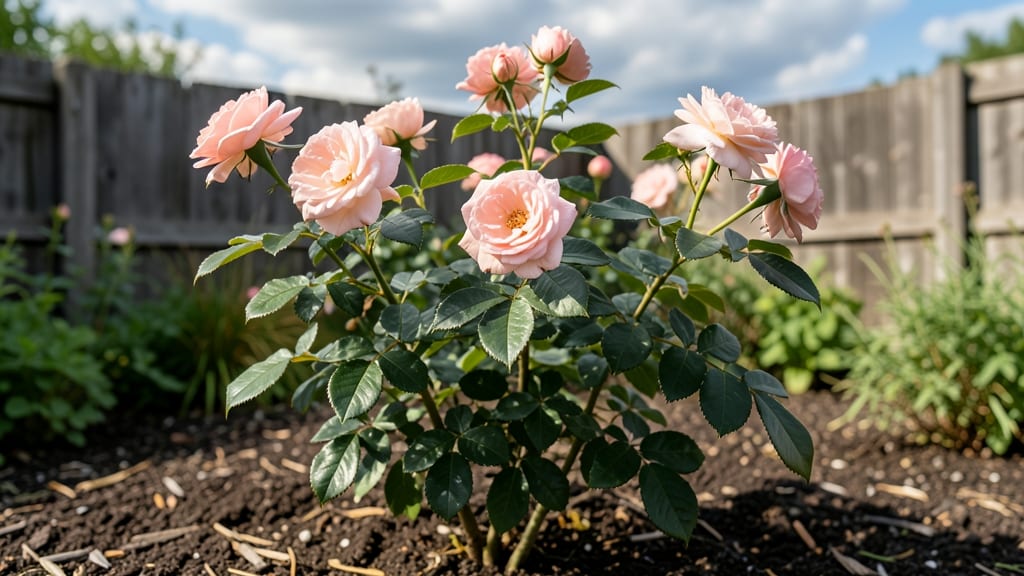
Peggy Martin roses do bloom all summer with proper care, delivering vibrant pink clusters from early June through frost—though strategic pruning and consistent watering can push their flowering season even longer than most rose varieties.
These roses stand out because they're bred as repeat-bloomers, meaning they don't just produce one flush of flowers in spring like many varieties. 🌸 The secret lies in their disease-resistant genetics and ability to thrive in heat, which keeps them flowering continuously when given the right care.
I've seen them outperform even hybrid teas in my garden when I follow a few key maintenance steps—like deadheading spent blooms and feeding them every 6-8 weeks with a balanced fertilizer.
Their pink blooms aren't just pretty—they're highly fragrant too, making them a favorite for cut flowers. What's interesting is how they respond to pruning: unlike some roses that need drastic cuts, Peggy Martins actually bloom better when you trim them lightly after each flush.
This encourages new growth and more flowers, which is why gardeners often call them the "low-maintenance superstar" of roses.
💡 In This Article
- Why Peggy Martin Roses Flower Nonstop
- Pruning and Care Secrets for Summer-Long Blooms
Why Peggy Martin roses flower nonstop
The Peggy Martin rose's continuous blooming comes from its repeat-flowering genetics, a trait bred into modern roses to prevent the single-spring-flush behavior of old garden roses.
Unlike Hybrid Teas that produce one dramatic bloom per stem, Peggy Martins develop clusters of 5-15 buds per stem that open sequentially over 2-3 weeks. This creates the illusion of endless flowers because as one cluster fades, new buds are already forming on the same stem.
Botanically, this happens because Peggy Martins are classified as Floribunda-type roses, which means they have a more compact growth habit with shorter internodes (the stem segments between leaves).
Their disease-resistant foliage (especially against black spot and powdery mildew) allows them to photosynthesize efficiently even in summer heat, fueling continuous flower production. 🌸 The key difference from Hybrid Teas is their ability to form basal buds—flower buds that develop at the base of stems—rather than just terminal buds at the tips.
Seasonal triggers play a crucial role too. Peggy Martins respond to day length changes differently than other roses. While most varieties need 12-14 hours of daylight to trigger blooming, these roses maintain production through summer's longer daylight periods because their genetic programming overrides this natural cycle.
This is why they continue flowering when many other roses would enter dormancy.
What sets them apart from Grandifloras (another repeat-bloomer) is their heat tolerance. While Grandifloras often struggle above 85°F, Peggy Martins maintain vigor up to 95°F with proper watering. Their thick, waxy leaf coating reduces water loss, allowing them to keep blooming even when other roses wilt.
This makes them ideal for southern climates where summer heat typically shortens rose seasons.
Their pink color intensity also plays a role in their longevity. Lighter pink roses often fade faster in heat, but Peggy Martins' deep magenta-pink hue contains more anthocyanins—pigments that help protect flower tissues from UV damage.
This means their blooms stay vibrant longer, encouraging pollinators and extending the visual appeal of your garden. 🌺
For comparison, a Hybrid Tea might produce 3-5 flushes per season with careful pruning, while a Peggy Martin can produce 8-12 flushes under optimal conditions. The trade-off? Hybrid Teas have more dramatic single blooms, while Peggy Martins offer volume and continuity that makes them perfect for cutting gardens and borders.