
Blooming
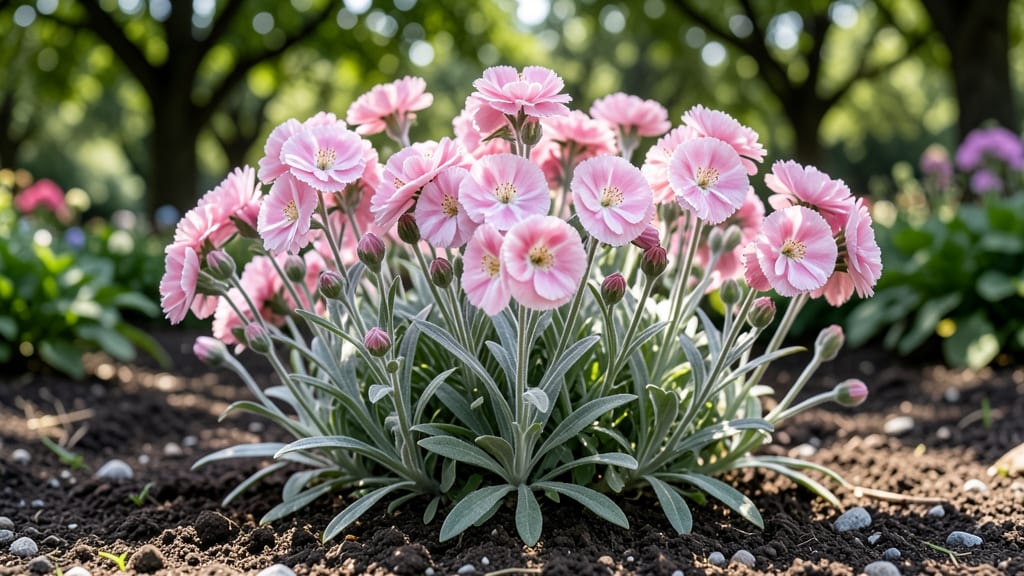
The dianthus bloom season unfolds like a delicate, fragrant promise—if you know exactly when and how to coax those 🌸 clusters into a second, third, or even fourth showing.
If you love the delicate charm of dianthus flowers but struggle with their unpredictable blooming cycles, you’re not alone—many gardeners miss their peak display because they don’t know the exact timing and care tricks to trigger repeat flowering.
From the first buds in early summer to the final flush of color in late fall, dianthus varieties like sweet william and carnation follow seasonal rhythms shaped by sunlight, soil, and even your pruning habits.
The key? Understanding how to read the signs—wilting stems, closed buds—and when to step in with the right adjustments.
In this guide, I’ll break down the natural bloom windows for your zone, share the proven tricks to extend flowering, and show you how to turn one season of color into three—even in short-growth climates.
Dianthus bloom season: natural timing and climate zones
Dianthus flowers are famous for their fragrant blooms and colorful clusters, but their bloom season depends heavily on your climate zone and variety. Whether you're in USDA zones 3-9 or European temperate regions, understanding these patterns helps you plan for the best display.
Most dianthus varieties bloom in late spring to early summer, but some extend into fall with proper care.
In cooler climates (zones 3-5), dianthus often blooms from May to July, while warmer zones (6-9) see flowers from April to June and sometimes again in fall. Mediterranean climates may experience year-round blooming with minimal dormancy.
The key is recognizing early bud formation—tiny green buds appear 4-6 weeks before blooming, signaling your plant is preparing for its show.
| Climate Zone | Primary Bloom Season | Secondary Bloom (If Any) | Bud Formation Signs |
|---|---|---|---|
| USDA 3-5 (Cold) | Late May - Early July | None (unless pruned) | Green buds appear in April |
| USDA 6-8 (Temperate) | April - June | September - October | Bud swell in March/August |
| USDA 9+ (Warm) | March - May | November - December | Continuous budding year-round |
| Mediterranean | Spring & Fall | Winter (mild climates) | Budding triggered by rain |
In USDA zone 6a (like my garden!), my sweet william dianthus typically blooms from late May to early July, but I’ve extended the season by deadheading spent blooms and providing well-draining soil.
The buds form in April, so I watch closely for those tiny green swellings—a sure sign of upcoming flowers. If you miss this, don’t worry! Some varieties, like carnation-flowered dianthus, may rebloom in fall if given the right conditions.
European gardeners in UK zone 7-8 often see dianthus bloom from June to August, with late-summer varieties extending into September. The cooler maritime climate delays bud formation until May, but the longer daylight hours encourage robust blooming.
If you’re in a Mediterranean climate, expect year-round blooming with peaks in spring and fall, as the mild winters prevent dormancy.
Identifying early bud formation is your secret weapon! Look for tiny green buds along the stems—these appear 4-6 weeks before blooming. In cooler zones, this happens in April, while warmer zones may see buds as early as March.
If you notice buds but no flowers, check for adequate sunlight (6+ hours daily) and well-draining soil, as waterlogged roots can stunt blooming.
For repeat blooming, focus on pruning after the first flush. Cut back stems by one-third to encourage new growth and secondary blooms. In zones 6-9, this often triggers a fall rebloom in September-October.
My perennial dianthus in zone 6a has given me two bloom cycles per year using this method—proof that timing and care make all the difference!
Regional variations matter! In Pacific Northwest (zone 7-8), dianthus blooms 2 weeks later than in Midwest (zone 5) due to cooler springs. Meanwhile, Southern California (zone 10) gardeners enjoy year-round blooms with minimal dormancy.
Always adjust your planting time based on your last frost date—dianthus thrives when planted 2-3 weeks after frost for optimal bloom timing.
Pro tip: Use mulch around the base to regulate soil temperature and retain moisture. This helps stimulate bud formation in cooler zones and prevents bud drop in hot climates. I’ve found that organic mulch like straw works best, keeping roots cool
How to extend dianthus bloom season with deadheading and pruning
Dianthus flowers are famous for their fragrant, colorful blooms, but their natural bloom season can feel short-lived. With the right deadheading and pruning techniques, you can coax 2-3 bloom cycles per year instead of just one.
The key lies in understanding when and how to trim—each variety responds differently, especially early bloomers like 'Firewitch' versus late-season types like 'Mystic Tides'.
Start by identifying spent blooms—these are your first targets. Unlike some flowers, dianthus won’t rebloom without intervention. Removing faded blooms redirects energy to new growth, but timing matters. Prune too early, and you risk stunting bud formation.
Prune too late, and you miss the chance to extend the season. Let’s break it down into clear, actionable steps for maximum impact.
Step-by-Step Guide to Deadheading & Pruning
-
Step 1: Deadhead Daily
Use clean, sharp scissors or fingers to pinch off spent blooms at the base. This prevents seed formation and encourages new flower buds to form. Focus on blooms that have drooped or lost color. -
Step 2: Prune After First Bloom Cycle
Once the initial bloom cycle (spring for most varieties) fades, cut back 1/3 of the plant’s height using sterilized pruners. This removes old growth and stimulates compact, bushier regrowth. -
Step 3: Fertilize Post-Pruning
Apply a low-nitrogen fertilizer (5-10-10) to support new growth. Avoid high-nitrogen feeds—they promote leafy growth over blooms. Water deeply after fertilizing to prevent root burn. -
Step 4: Monitor for New Buds
In 4-6 weeks, check for new flower buds forming at the base. These indicate the plant is preparing for a second bloom cycle. If buds appear weak, add bone meal for phosphorus. -
Step 5: Light Pruning for Late Bloomers
For late-season varieties (e.g., 'Firewitch'), trim only wilted stems in early fall. Avoid heavy pruning—these types bloom into autumn and need energy reserves for winter. -
Step 6: Winter Prep (Zones 3-7)
In late fall, cut back dead or damaged foliage but leave healthy stems to protect the crown. Mulch with 2-3 inches of straw to insulate roots during dormancy.
Timing is everything. For spring-blooming dianthus, deadhead daily during the peak bloom (May-June) and prune immediately after. For summer/fall varieties, wait until after the first frost to prune, then fertilize lightly in early spring to kickstart new growth.
Over-pruning can stress the plant, while under-pruning leads to leggy, sparse blooms.
Don’t forget to rotate your pruning tools between cuts to avoid bacterial buildup. A 50% alcohol wipe between plants prevents powdery mildew, a common issue with dianthus. Pair this with well-draining soil and full sun exposure, and you’ll see vibrant blooms well into autumn.
With these steps, your dianthus can rebloom 2-3 times per year, turning a single-season spectacle into a year-round garden highlight. The secret? Consistency—stay on top of deadheading, and your plants will reward you with longer, fuller blooms every season. 🌸