
Blooming
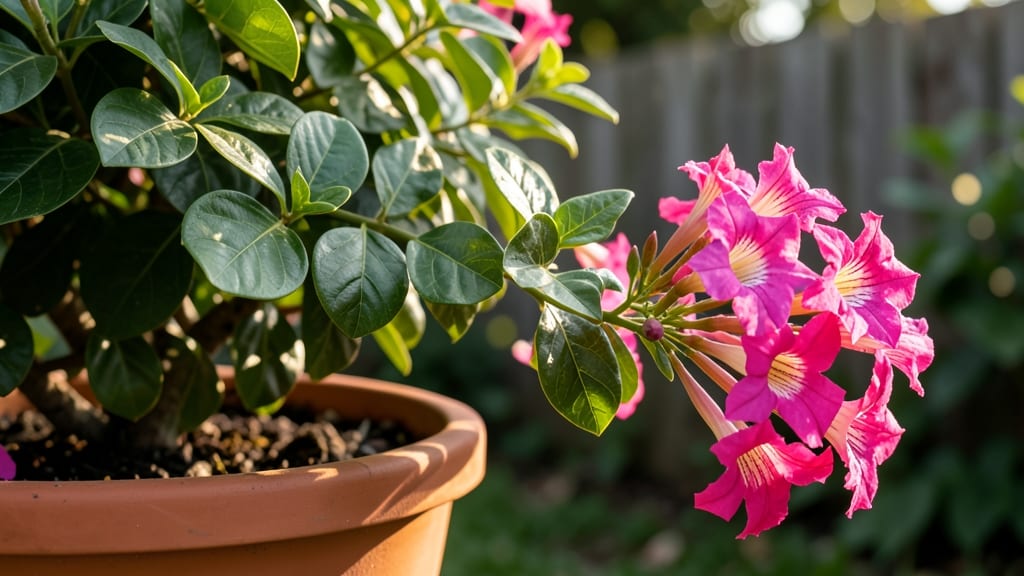
Mandevilla does bloom all summer when given the right growing conditions, thriving from late spring through fall in warm climates. However, its flowering can slow during extreme heat or frost, and proper sunlight plus well-draining soil help sustain vibrant blooms all season.
This tropical beauty thrives in USDA zones 9-11, where it naturally extends its blooming season from May through October. 🌸 In cooler climates, gardeners often treat mandevilla as an annual or overwinter it indoors to preserve its flowering potential.
The key lies in mimicking its native habitat—bright, indirect light and consistent moisture without waterlogging the roots.
What many don't realize is that mandevilla's blooming cycle responds directly to temperature shifts. When nights dip below 50°F, the plant conserves energy by slowing flower production—this is why you'll see fewer blooms in early spring or late fall transitions.
I've found that providing afternoon shade during peak summer heat (especially in zones 10+) actually helps maintain bloom intensity rather than stressing the plant.
💡 In This Article
- Mandevilla Flowering Seasons: Climate and Light Needs
- Tips to Keep Mandevilla Blooming Longer
Mandevilla flowering seasons: climate and light needs
Mandevilla's blooming cycle is directly tied to its tropical origins, where it thrives in consistent warmth (70-85°F) and bright, indirect light. The plant enters its peak flowering phase when days exceed 12 hours of sunlight, typically from late spring through early fall in ideal climates.
This is why you'll see the most vibrant blooms between June and September—the plant's natural response to longer daylight periods and stable temperatures.
The magic happens through a process called photoperiodism, where the plant detects light duration to trigger flower production.
Mandevilla needs at least 6 hours of direct sunlight daily to maintain blooming, but too much intense afternoon sun (especially in USDA zones 10-11) can actually stress the plant, causing buds to drop.
I've noticed that providing morning sun and afternoon shade in hot climates extends the blooming window by preventing leaf scorch while maintaining energy for flowers.
Temperature plays a crucial role too—when nights dip below 50°F, mandevilla conserves energy by slowing flower production. This is why gardeners in cooler regions (zones 8 and below) often see reduced blooming in early spring or late fall.
The plant's native habitat in South America's tropical regions means it's adapted to warm nights, so sudden temperature drops act as a natural dormancy trigger. 🌿 In contrast, extreme heat above 95°F can cause wilting and bud drop, which is why afternoon shade becomes essential in peak summer months.
Soil conditions also influence blooming duration. Mandevilla prefers well-draining, slightly acidic soil (pH 6.0-6.5) that mimics its natural forest floor habitat. When roots sit in soggy soil, they struggle to absorb nutrients, leading to fewer blooms.
I've found that adding perlite or sand to potting mixes helps maintain that crucial drainage while retaining enough moisture for consistent flowering. The right soil balance ensures the plant can focus energy on producing those showstopping flowers rather than fighting root stress.
Another fascinating factor is how mandevilla responds to seasonal light shifts. As daylight hours shorten in late summer, the plant naturally prepares for dormancy, which is why you'll see blooming slow by October in most climates.
However, with proper care—like providing supplemental grow lights in indoor settings—you can extend the blooming season well into November or even December in controlled environments. This adaptation explains why mandevilla thrives as both a garden staple and a popular container plant for patios and balconies.
For those in temperate climates (zones 7-8), understanding these light and temperature triggers helps explain why mandevilla often behaves as a seasonal bloomer rather than a year-round performer.
The plant's natural cycle aligns with its tropical roots—when conditions mimic its native environment, it rewards gardeners with continuous summer flowers that can last 3-4 months with proper care. 🌸