
Blooming
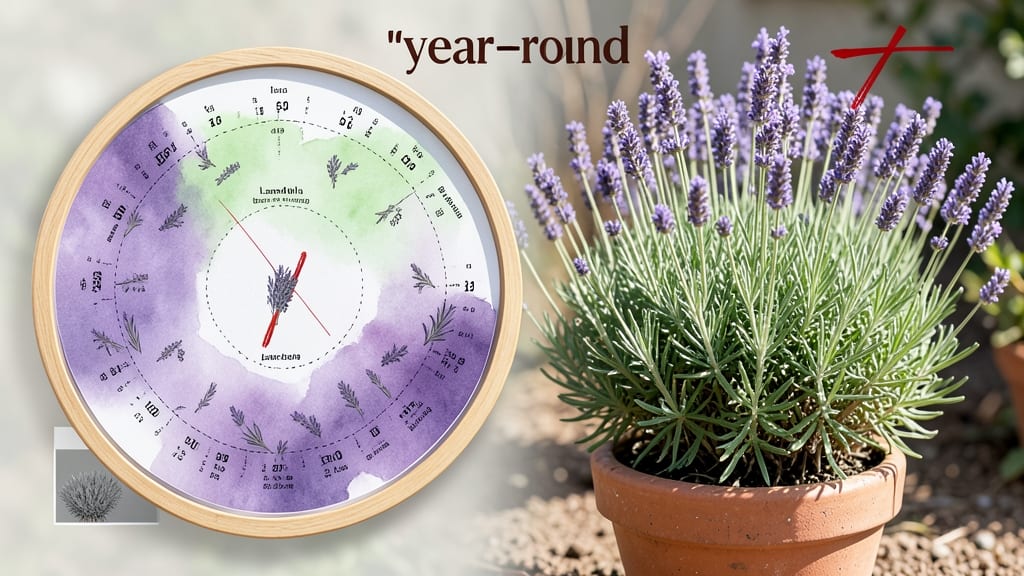
Lavender does bloom all year in frost-free climates like USDA Zones 8-11, but typically flowers spring through fall in cooler regions, with peak blooms in late spring to summer. Cold weather triggers dormancy, halting flower production until warmer months return.
Lavender's blooming cycle depends entirely on temperature—frost-free regions like Southern California or Mediterranean climates create ideal conditions for continuous flowering. 🌿 In cooler areas, lavender enters a natural rest period during winter, conserving energy until temperatures rise again.
The key difference lies in how each climate interacts with the plant's dormancy triggers: while frost-free zones maintain steady growth, colder regions experience seasonal slowdowns that reset the flowering schedule each spring.
What you can control as a gardener is how you manage these natural cycles. For example, selecting cold-hardy varieties like 'Grosso' or 'Hidcote' extends the blooming window in transitional zones, while strategic pruning after flowering encourages new growth.
Even in colder climates, proper winter protection—like mulching or container relocation—can shield plants from harsh conditions and preserve their vitality for the next season.
💡 In This Article
- Climate Zones and Lavender Flowering Seasons
- Tips to Extend Lavender Blooms Year-Round
Climate zones and lavender flowering seasons
Lavender's blooming cycle is directly tied to temperature thresholds that trigger biological responses. In USDA Zones 8-11, where winter temperatures rarely drop below 10°F, lavender experiences minimal stress and continues flowering year-round.
The plant's natural growth rhythm isn't disrupted by frost, allowing it to produce buds continuously when daylight and warmth remain stable. This is why Mediterranean climates—with their mild winters—create perfect conditions for perpetual lavender blooms.
In cooler regions (Zones 5-7), lavender enters dormancy when temperatures fall below 20°F, a protective mechanism that conserves energy. During this period, the plant redirects resources to root development rather than flower production.
The dormancy cycle typically begins in late fall and lasts until spring when soil temperatures rise above 50°F. This seasonal pause explains why lavender in northern climates often shows peak blooms in late spring to summer, with minimal flowering during winter months.
The Mediterranean climate—lavender's native habitat—provides the ideal template for year-round growth. With warm, dry summers and mild winters, these regions maintain consistent 60-80°F temperature ranges that lavender thrives in. In contrast, North American climates experience more dramatic seasonal shifts, forcing lavender to adapt through dormancy.
The key difference lies in how each climate interacts with the plant's photoperiod sensitivity—the light duration that triggers flowering.
What's fascinating is how lavender's flowering mechanism responds to temperature changes at the cellular level. When exposed to cold (40°F for 6-8 weeks), lavender plants undergo vernalization—a process where cold temperatures promote flowering in the following season.
This is why lavender in cooler zones often blooms more prolifically after winter, while frost-free plants maintain a steady but less dramatic production cycle throughout the year.
Regional variations also play a role in bloom timing. For example, lavender in Southern California may flower continuously, while plants in Oregon might experience a 3-month dormant period each winter. The difference comes down to microclimates—localized temperature variations that create unique growing conditions.
Understanding these patterns helps gardeners select appropriate lavender varieties and implement seasonal care strategies tailored to their specific climate zone.
Consider this comparison: Mediterranean lavender (Lavandula angustifolia) thrives in frost-free conditions, while English lavender (Lavandula x intermedia) handles cooler temperatures better due to its hybrid genetics. The choice between these varieties can mean the difference between year-round blooms and seasonal flowering in your garden.