
Blooming
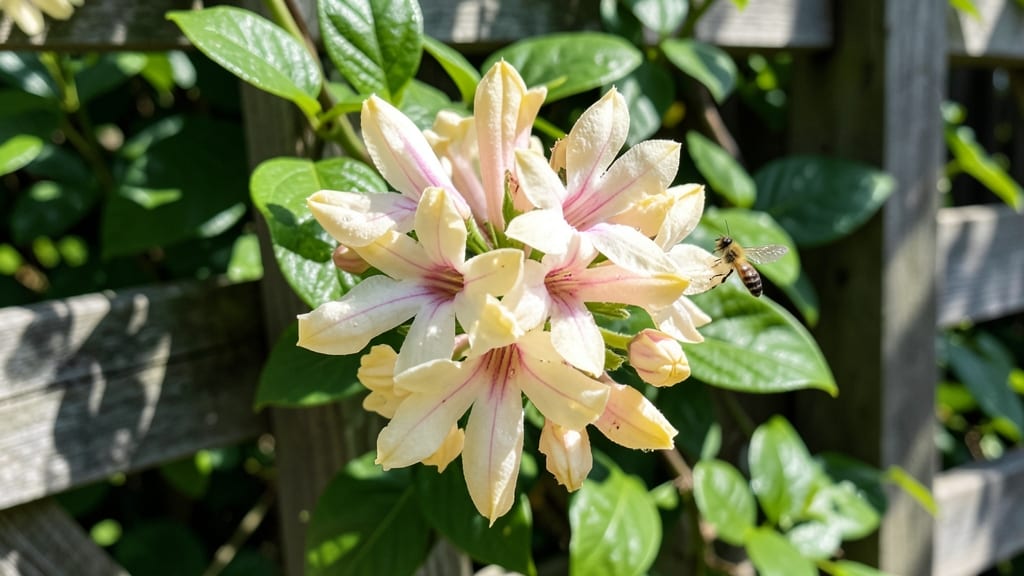
Many honeysuckle varieties bloom all summer long, especially hardy types like trumpet honeysuckle (Lonicera sempervirens), which can produce fragrant flowers from late spring through early fall when given the right growing conditions. However, some species may take short breaks during extreme heat or drought.
Honeysuckle's summer-long flowering isn't just luck—it's a combination of genetics and growing conditions. 🌿 Hardy varieties like trumpet honeysuckle evolved to thrive in warm climates, producing new blooms continuously as old flowers fade. The key factors are consistent moisture, well-draining soil, and partial shade during peak afternoon heat.
I've seen some varieties in my garden produce flowers for four months straight when given these conditions, though a brief pause during heatwaves is normal. What's fascinating is how different species adapt: some native types bloom earlier in spring while hybrids often extend their season into fall.
For gardeners wanting to maximize summer blooms, timing matters most. Pruning right after flowering encourages new growth, while regular deadheading removes spent blooms that would otherwise sap energy. A balanced fertilizer applied in early summer gives plants the nutrients they need for continuous flowering.
The trade-off? Some varieties need more maintenance than others—trumpet honeysuckle, for example, handles heat better than its woodland cousins but requires more frequent watering during dry spells.
💡 In This Article
- Honeysuckle Flowering Seasons by Variety
- Extending Honeysuckle Bloom Time with Gardening Tips
Honeysuckle flowering seasons by variety
The continuous summer blooming of honeysuckle comes down to its evolutionary adaptations. Native species like trumpet honeysuckle (Lonicera sempervirens) thrive in warm climates where they've developed a prolonged flowering window—typically from May through September—thanks to their ability to produce new flowers as old ones fade.
This is called sequential flowering, where buds develop continuously along the stem rather than all at once. 🌸 What's fascinating is how hybrids often extend this even further, sometimes blooming into October with proper care.
Daylight triggers play a crucial role. Most honeysuckle varieties respond to longer daylight hours (14+ hours) by initiating flower production, which is why they peak in summer.
However, some woodland species like Japanese honeysuckle (Lonicera japonica) may bloom earlier in spring when temperatures reach 55-60°F but then pause during extreme heat—often resuming when temperatures drop below 85°F in late summer. This explains why you might see some varieties "rest" briefly during heatwaves before reblooming.
Regional climate adaptations create significant variations. Southern varieties like coral honeysuckle (Lonicera sempervirens 'Coral Honeysuckle') handle humid heat better than northern types, which may need afternoon shade to prevent flower drop.
In cooler climates (USDA zones 4-5), species like tartarian honeysuckle (Lonicera tatarica) might only bloom 6-8 weeks continuously, while southern varieties can stretch that to 12-16 weeks with consistent moisture.
Here's what sets the most reliable summer-blooming varieties apart:
- Trumpet honeysuckle: Blooms May-September in zones 4-9, thrives in full sun to partial shade
- Coral honeysuckle: Extended season (June-October), heat-tolerant, attracts hummingbirds
- Hall's honeysuckle: Native perennial with late-summer reblooming after initial spring flush
- Japanese honeysuckle: Blooms spring-fall but may pause in extreme heat
The key difference between native and hybrid varieties lies in their genetic resilience. Native species often have shorter but more reliable blooming periods tied to local climate patterns, while hybrids like 'Mandarin' or 'Gold Flame' have been bred for extended seasons and better heat tolerance.
This is why your neighbor's trumpet honeysuckle might bloom for months while a nearby woodland native takes a summer break.