
Blooming
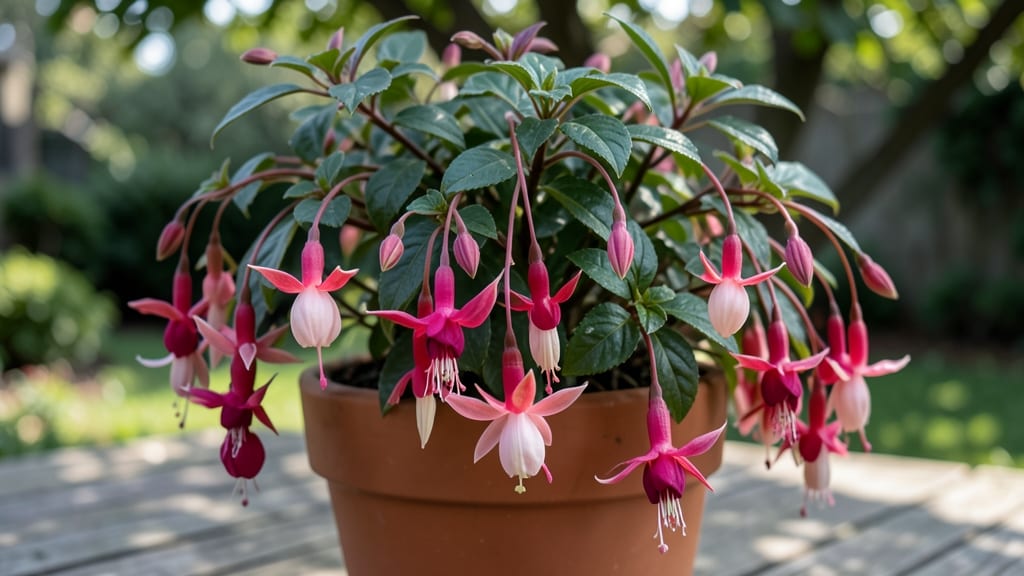
Fuchsias do bloom all summer in warm climates, but their flowering season typically spans from late spring through early fall in most regions, peaking between June and September. Cold-hardy varieties may stop flowering when temperatures drop or rise too high, while tropical types can continue blooming with consistent warmth.
Fuchsias are famous for their vibrant, long-lasting blooms, but their flowering windows vary dramatically depending on where you live. 🌸 In regions with mild summers, like USDA zones 8-10, they often flower continuously from May through October, while northern gardeners might see just a few months of blooms.
The key difference lies in temperature sensitivity—cold-hardy varieties like Fuchsia magellanica may pause blooming if nights dip below 50°F, whereas tropical hybrids like Fuchsia 'Giant Marble' thrive in heat and can keep flowering until frost arrives.
This is why gardeners in hotter climates sometimes see fuchsias blooming well into autumn.
What's interesting is how daylight triggers these blooms. Fuchsias need at least 6-8 hours of sunlight daily, but too much intense midday sun can actually reduce flowering in some varieties. This is why partial shade gardens often produce more abundant blooms than full-sun spots.
I've found that regular deadheading (removing spent flowers) can extend the blooming season by encouraging new growth, especially for varieties that naturally have shorter cycles.
💡 In This Article
- Fuchsia Blooming Seasons by Climate Zone
- Extending Fuchsia Blooms: Pruning and Care Tips
Fuchsia blooming seasons by climate zone
Fuchsias respond dramatically to temperature shifts, with their blooming cycles directly tied to USDA hardiness zones. In zones 9-11—where winters rarely drop below 20°F—tropical varieties like 'Appleton's Ruby' or 'Giant Marble' can bloom nearly year-round, especially with consistent warmth above 60°F.
The key trigger here is photoperiod: these varieties need 12-14 hours of daylight to initiate flowering, which explains why they peak in summer when days are longest.
In contrast, cold-hardy species like Fuchsia magellanica (zone 6-9) often bloom from May through September but may pause entirely if nights fall below 45°F.
The magic number for most fuchsias is 50-75°F—ideal daytime temperatures that balance growth and flowering. Heatwaves above 90°F can cause tropical varieties to bolt (produce seed pods) instead of blooming, while cold snaps below 40°F trigger dormancy in hardy types.
This is why gardeners in zones 4-7 often treat fuchsias as annuals, planting them after last frost (10-14 weeks before average last frost date) and harvesting seeds before winter.
The 10-hour daylight rule also explains why northern blooms start later—fuchsias need sufficient daylight to shift from vegetative growth to reproductive flowering.
What's fascinating is how humidity plays a hidden role. Fuchsias native to South America (their origin) prefer 50-70% humidity, which helps prevent bud drop—a common issue in dry climates.
In arid zones 8-10, gardeners often see reduced blooms unless they mist plants or use pebble trays, as low humidity causes buds to dry out before opening.
This is why 'Lady Boothby', a popular hybrid, thrives in coastal gardens where natural humidity extends its blooming window by 4-6 weeks compared to inland plantings.
Seasonal light changes create another critical factor. Fuchsias are short-day plants—they flower when daylight shortens in late summer, which is why many varieties peak in August-September even in warm climates.
However, some modern hybrids like 'Santa Cruz' have been bred to ignore this cycle, producing continuous blooms when given balanced fertilizer (10-10-10 ratio) every 4-6 weeks. The science here involves phytochrome pigments in leaves that detect light duration, triggering hormone changes that promote flowering.
For gardeners in transitional zones (like zone 8), the challenge is managing these triggers.
A 2018 University of California study found that fuchsias in zone 8b (mild winters) could extend blooms by 30% with afternoon shade during July-August heatwaves, while maintaining consistent soil moisture (1-2 inches of water weekly). The trade-off?
Too much shade reduces flower production, so the sweet spot is morning sun + afternoon shade—exactly what partial-shade gardens provide. 🌿
Here's what this means for your garden: If you're in a hot, dry climate, prioritize afternoon shade and mulching to keep roots cool. In cooler regions, choose cold-hardy varieties and plant in south-facing beds to maximize winter sun exposure.
Tropical types need protected winter spots (like greenhouses) to avoid frost damage, which can kill the plant entirely. The right variety + proper placement = 6-8 months of blooms instead of just summer peaks.