
Blooming
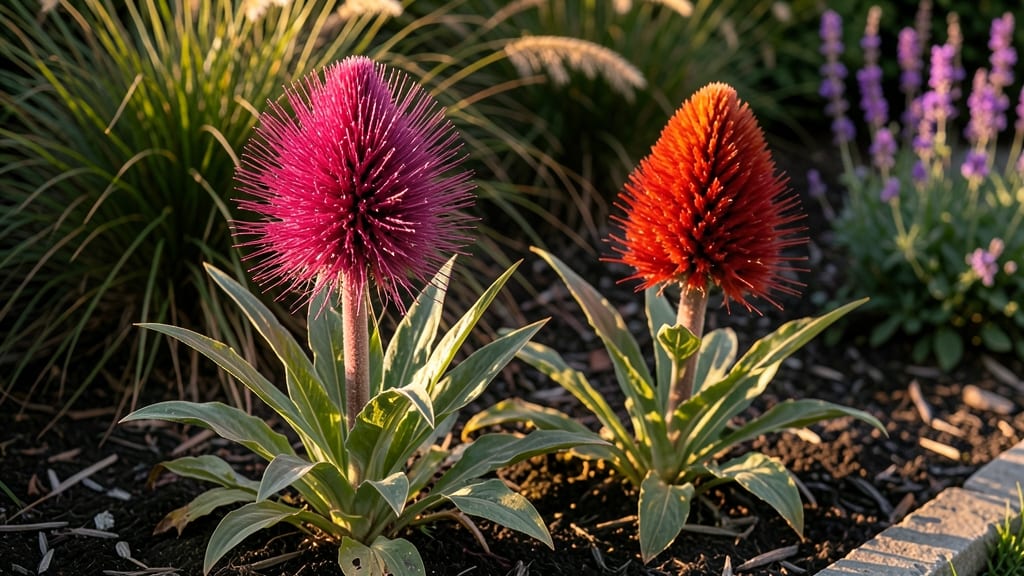
Yes, celosia blooms all summer—typically from June through September—with some varieties reblooming into early fall if deadheaded regularly and grown in warm climates. Cool weather or frost triggers dormancy, halting flowers until the next season.
Celosia thrives as a long-blooming annual because it responds to heat and daylight, not just calendar months. 🌞 The key is understanding its growth triggers: most varieties burst into color when daytime temperatures consistently hit 70°F or higher, which usually aligns with late spring to early summer.
What sets celosia apart is its ability to keep producing flowers as long as you maintain proper care—regular deadheading removes spent blooms, signaling the plant to focus energy on new growth rather than seed production.
Different celosia types have unique heat tolerances: plume celosia (Celosia argentea) often handles 90°F+ temperatures better than cockscomb celosia (Celosia cristata), which may wilt in extreme heat without afternoon shade.
The reblooming magic happens when you combine these care factors: consistent moisture, balanced fertilizer (like 10-10-10), and protecting roots from drying winds. In Zone 9 and warmer, some celosia varieties even surprise gardeners with sporadic blooms into October!
💡 In This Article
- Celosia Bloom Duration: Months and Climate Factors
- Extending Celosia Blooms: Pruning, Fertilizer, and Seasonal Care
Celosia bloom duration: months and climate factors
Celosia's summer-long blooming isn't just about warm weather—it's a precise biological response to day length and temperature thresholds. Most varieties trigger flowering when daylight exceeds 14 hours, which typically occurs in late May to early June in temperate zones.
The plant's internal clock (photoperiodism) detects increasing daylight, while soil temperatures above 60°F kickstart root activity. This dual trigger explains why celosia often starts blooming 2-3 weeks earlier in southern climates compared to northern regions.
The two main celosia types react differently to heat: plume celosia (Celosia argentea) thrives in 85-95°F ranges, with its feathery blooms actually becoming more vibrant under full sun. Cockscomb celosia (Celosia cristata), however, prefers 75-85°F and may struggle when temperatures exceed 90°F without afternoon shade.
What's fascinating is how these varieties handle humidity—plume types tolerate up to 70% humidity, while cockscomb varieties wilt below 50% humidity, making them better suited for coastal gardens.
Reblooming depends on two critical factors: deadheading and sunlight exposure. When you remove spent blooms, you're essentially tricking the plant into thinking it's not producing seeds—this redirects its energy to new flower production. Studies show celosia plants deadheaded weekly can extend blooming by 4-6 weeks compared to neglected plants.
The sunlight angle matters too: southern exposures provide the most intense light, while eastern exposures offer gentler morning sun that prevents heat stress in sensitive varieties.
What most gardeners miss is how nighttime temperatures affect blooming patterns. Celosia needs nights to stay above 65°F to continue flowering—when temperatures drop below this threshold for more than 3 consecutive nights, the plant enters a dormant-like state where it focuses on survival rather than reproduction.
This explains why late summer blooms often taper off in Zone 5-7 before frost arrives, while Zone 8+ gardens can see sporadic blooms into October.
Consider these key climate interactions when planning your garden:
- Heat tolerance: Plume celosia handles 95°F+ better than cockscomb types
- Humidity preference: Plume types thrive in 60-70% humidity; cockscomb needs 50%+
- Daylight trigger: Blooming starts when daylight exceeds 14 hours (typically late May)
- Temperature cutoff: Nights below 65°F signal dormancy in most varieties
The science behind celosia's long bloom season lies in its C4 photosynthetic pathway, which allows it to efficiently convert sunlight to energy even in hot conditions.
This gives celosia an edge over many other annuals that wilt when temperatures climb above 85°F. 🌿 For gardeners in cooler climates, choosing early-maturing varieties (like 'Atomic Red') can help maximize summer blooms before heat stress sets in.