
Blooming
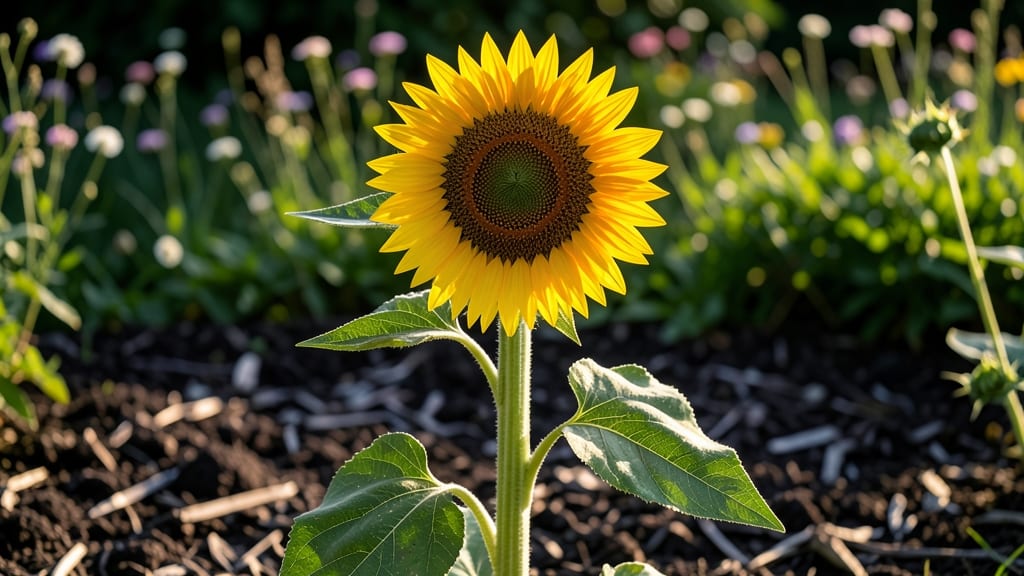
Sunflowers do bloom in spring, but their peak flowering season extends into summer, generally between May and September. The exact timing depends on your climate zone and sunflower variety, with warmer regions seeing earlier blooms and cooler areas experiencing later ones.
Sunflowers are classic summer flowers, but their blooming cycle actually begins in spring for many varieties. 🌻 The timing varies dramatically based on where you live—think of the difference between planting in Florida's mild winters versus Minnesota's short growing season.
Annual sunflowers typically take 80-120 days from seed to full bloom, which is why northern gardeners often plant them in late spring to catch the summer heat. What's fascinating is how some perennial varieties can even produce secondary blooms in fall if given the right conditions.
This spring-to-summer progression isn't just about temperature—daylight hours play a crucial role too. Sunflowers are photoperiod-sensitive, meaning they respond to changing light patterns. In northern climates, they'll wait for longer daylight before flowering, while southern varieties may bloom earlier to take advantage of the extended growing season.
The key is matching your sunflower variety to your local frost dates and planting them at the right time for maximum impact.
💡 In This Article
- Sunflower Blooming Seasons by Climate Zone
- How to Extend Sunflower Blooms in Your Garden
Sunflower blooming seasons by climate Zone
Sunflowers time their blooming cycles based on three key factors: temperature thresholds, daylight hours, and frost dates. The magic happens when daytime temperatures consistently reach 70-75°F—this warmth triggers the plant's flowering mechanism.
In USDA Zone 9 (southern California, Florida), sunflowers often begin blooming as early as March or April because winter temperatures rarely drop below 40°F, creating ideal conditions for early varieties like 'Teddy Bear' or 'Moulin Rouge'.
Daylight length acts as a natural timer for sunflowers. These plants are day-neutral but respond to photoperiod changes—longer daylight hours in summer accelerate their bloom cycle.
In Zone 5 (Chicago, Minneapolis), where frost lingers until mid-May, gardeners typically plant sunflower seeds in late May to early June to ensure blooms appear by July or August.
The variety 'Russian Giant' might take 120 days to bloom, while faster varieties like 'Autumn Beauty' can flower in just 80 days when planted at the right time.
Cooler climates like Zone 3 (Duluth, Detroit) present unique challenges. Sunflowers planted too early may face late spring frosts that damage tender seedlings, while planting too late risks blooming too late for summer enjoyment. The solution?
Choose short-season varieties like 'Sunspot' and plant after the last frost date—usually mid-May in these regions—to ensure blooms appear by late July or August. What's surprising is how sunflowers in Zone 10 (Hawaii, southern Arizona) can bloom year-round if given consistent warmth and water.
Here's a quick climate zone breakdown for bloom timing:
- Zones 9-10: Blooms from March to November (year-round in tropical areas)
- Zones 7-8: Peak blooms May to September with possible fall reblooms
- Zones 5-6: Main blooming window July to August
- Zones 3-4: Blooms typically late July to September (shorter season)
The key is matching your planting date to your last frost date and choosing varieties with bloom times that align with your desired viewing window.
For example, planting 'ProCut' sunflowers (which bloom in 85-90 days) in Zone 6 by May 15th ensures harvest-ready blooms by early August, perfect for summer arrangements. 🌞
What most gardeners don't realize is that sunflowers planted in fall (September-October in warm zones) can sometimes produce blooms the following spring—a phenomenon called "winter sowing."
This works because the plants experience a period of cold stratification that breaks dormancy, allowing them to bloom earlier in the season when planted in late winter. The trade-off is smaller blooms, but it's a clever way to extend your sunflower season in mild climates.