
Blooming
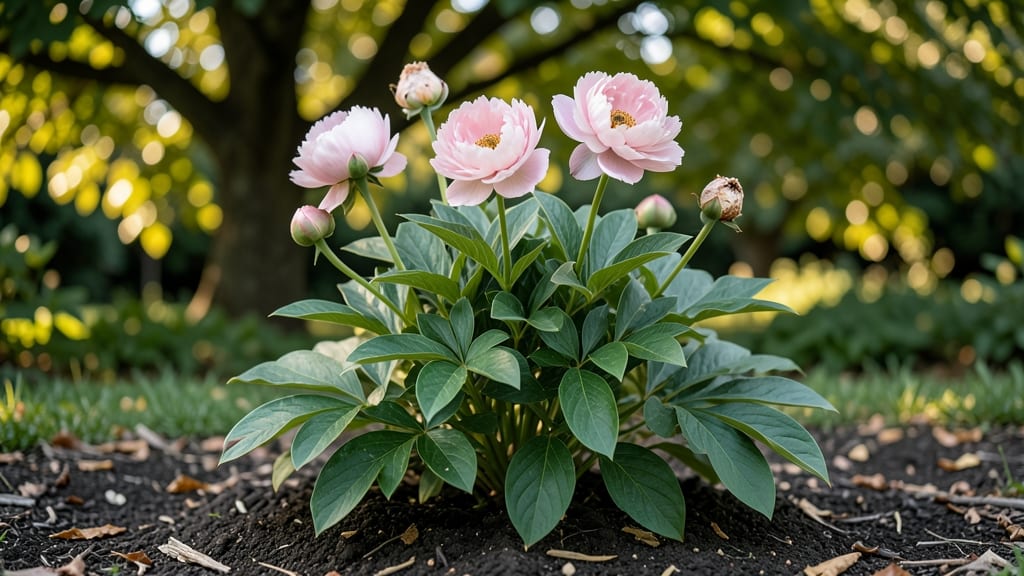
Peonies do bloom only once a year in most cases, but certain herbaceous varieties can produce a second flush of flowers if you remove spent blooms promptly and maintain ideal growing conditions. Tree peonies, however, almost always flower just once per season, typically between late spring and early summer.
Peonies follow this blooming pattern because their energy is focused on producing vibrant flowers during their peak season, often at the cost of a second round. 🌸 The key difference lies in their growth habits—herbaceous peonies die back to the ground each winter, while tree peonies remain woody year-round.
For the few varieties that can rebloom, proper care like consistent moisture, balanced fertilization, and strategic deadheading can coax out those extra blooms.
What many gardeners don't realize is that reblooming requires careful balance—too much pruning or over-fertilizing can actually weaken the plant, reducing future blooms.
I've found that patience pays off: if you give your peonies the right conditions, some varieties will reward you with a second show in late summer or early fall.
💡 In This Article
- Why Most Peonies Bloom Only Once Annually
- How to Encourage Reblooming in Peonies
Why most peonies bloom only once annually
Peonies follow this single-bloom pattern primarily because their energy systems are hardwired for seasonal efficiency. During their first flush in late spring, these plants allocate up to 80% of their stored energy into producing those lush, fragrant blooms—often weighing 2-3 ounces each.
This massive investment leaves little reserve for a second round, especially since peonies grow from thick, fleshy roots called tubers that store nutrients like a battery. 🌿 The plant's survival strategy prioritizes one spectacular display over multiple smaller ones, similar to how some trees produce only one crop of fruit per year.
Herbaceous peonies (the ones that die back to the ground each winter) have a slightly different mechanism. Their blooming cycle is triggered by a combination of chilling hours (typically 400-600 hours below 40°F
Once they've satisfied these requirements, their hormonal systems shift into bloom production mode. Tree peonies, however, are even more conservative—their woody stems require 5-7 years to mature enough to support significant flowering, and their energy allocation is even more rigid due to their perennial growth habit. Climate plays a surprising role in this pattern. In cooler northern climates (USDA zones 3-5), peonies often bloom earlier and more prolifically because their dormancy period is longer, giving them more time to store energy. In warmer southern zones (6-8), the blooming window compresses, and the plants may struggle to produce even that single flush if summer heat arrives too early. I've noticed that peonies in zone 7 often have the most dramatic first blooms but rarely produce seconds because the summer heat arrives too quickly after their initial flush. There's also a fascinating trade-off between flower size and quantity. The larger, more showy blooms you see in nurseries (often 5-7 inches wide) require even more energy than smaller varieties. This is why hybridizers have spent decades breeding reblooming varieties—they've had to make compromises between flower size and the plant's ability to produce multiple blooms. Some modern hybrids now produce second flushes that are 30-50% smaller than their first, but still impressive. The botanical term for this energy allocation is "determinate growth"—once peonies commit to flowering, they focus all resources on that process until completion. This is why you'll rarely see peonies with both large first blooms and substantial second blooms in the same season. The plant simply can't do both without compromising its long-term health. 💡 This biological constraint is what makes peony cultivation such a rewarding (but patient) gardening pursuit—each bloom represents years of careful energy storage and seasonal timing.