
Blooming
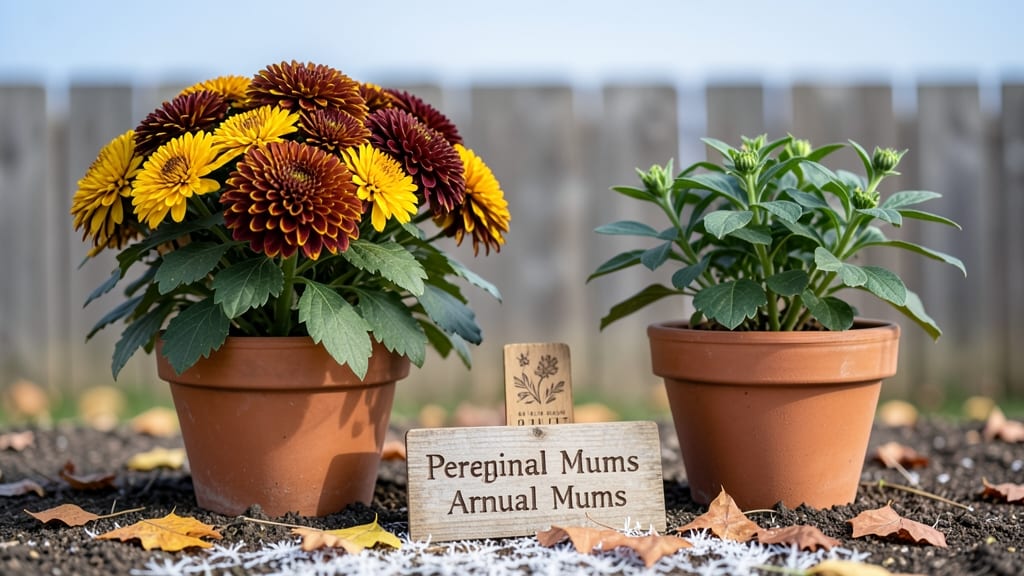
Mums (chrysanthemums) bloom every year in autumn, though most varieties produce just one flush annually. However, reblooming types can generate multiple blooming cycles with the right care—consistent light exposure, proper pruning, and seasonal adjustments are key to encouraging repeat flowering.
Most chrysanthemums follow a natural autumn blooming cycle because they're short-day plants, meaning they respond to decreasing daylight hours. 🌿 Reblooming varieties break this pattern by producing additional flowers when given proper care—think of it like training a plant to perform multiple shows in a season.
The secret lies in maintaining bright, indirect light year-round and avoiding over-fertilizing, which can lead to weak stems or excessive leaf growth instead of flowers. I've found that deadheading spent blooms and providing a cool winter dormancy period actually helps reset the plant for stronger reblooming the following year.
What many gardeners overlook is that temperature fluctuations also play a role—mums need a period of cooler weather to properly set buds. If you live in a warm climate, you might need to simulate this with shade or even a brief cold snap.
The good news? With the right approach, you can extend your mum's showtime from a single autumn burst to nearly year-round color.
💡 In This Article
- Why Chrysanthemums Bloom Seasonally (And How Light Triggers Reblooming)
- How to Encourage Mums to Rebloom Year After Year
Why chrysanthemums bloom seasonally (and how light triggers reblooming)
Chrysanthemums are short-day plants, meaning their blooming cycle is triggered by decreasing daylight hours—typically when days drop below 12-14 hours of light. This natural response explains why most varieties bloom only once in autumn, as they detect shorter days signaling winter's approach.
The plant's internal clock, controlled by a hormone called florigen, activates flowering when daylight falls below this threshold. 🌅 For example, a mum planted in early spring might not bloom until late September or October, when daylight drops to 10-12 hours in many regions.
Reblooming varieties, however, have been selectively bred to override this strict cycle. These plants can produce multiple flushes of flowers if given consistent 12-14 hours of light daily—a process called photoperiod manipulation. This works because gardeners mimic the natural daylight reduction by providing supplemental light during winter months.
For instance, placing mums under grow lights for 14 hours/day in winter can trick them into reblooming in early spring, creating a second flush. The key difference is that rebloomers require more precise light management than single-bloomers, which thrive on natural seasonal changes alone.
Temperature also plays a critical role in this process. Mums need a cool period (50-60°F) for 4-6 weeks to properly set buds, even in reblooming varieties.
Without this chill, flowers may be sparse or fail to develop fully. 🌡️ For example, in warm climates, gardeners often move potted mums to shaded areas or even refrigerate them briefly to simulate winter conditions.
This cool exposure helps reset the plant's biological clock, ensuring stronger reblooming when warmer temperatures return. The combination of light and temperature creates a delicate balance that determines whether a mum will produce one grand show or multiple smaller ones.
Another fascinating factor is the plant's vegetative growth phase. Before flowering, mums focus energy on leaf and stem development. Only when daylight shortens (or is artificially controlled) does the plant shift to reproductive mode.
This is why over-fertilizing with nitrogen can backfire—it promotes lush foliage at the expense of flowers. 🌱 For reblooming success, gardeners should use a balanced fertilizer (10-10-10 ratio) in early summer, then switch to a low-nitrogen, high-phosphorus formula (5-10-10) in late summer to encourage blooming.
The phosphorus boost helps develop strong root systems and flower buds.
Here's what happens when conditions go wrong: Without proper light exposure, mums may produce only a few weak stems. Insufficient chill can result in blind stems (tall, leafless growth with no flowers). Even reblooming varieties need this reset period.
For instance, I once grew a 'Bonanza White' rebloomer that produced stunning autumn flowers but failed to rebloom in spring because it missed its winter chill requirement. The lesson? Understanding these scientific triggers helps gardeners create ideal conditions for either dramatic single-season blooms or prolonged seasonal color.
For those curious about the science, this process involves phytochrome pigments in the plant's leaves that detect light wavelengths.
When daylight shortens, these pigments signal the plant to produce florigen, which travels to the shoot tips and triggers flower formation. 🌿 The same mechanism explains why indoor mums often struggle to rebloom—they lack natural daylight variations.
By controlling light exposure, gardeners essentially hack this biological process to extend the blooming window beyond nature's original design.