
Blooming
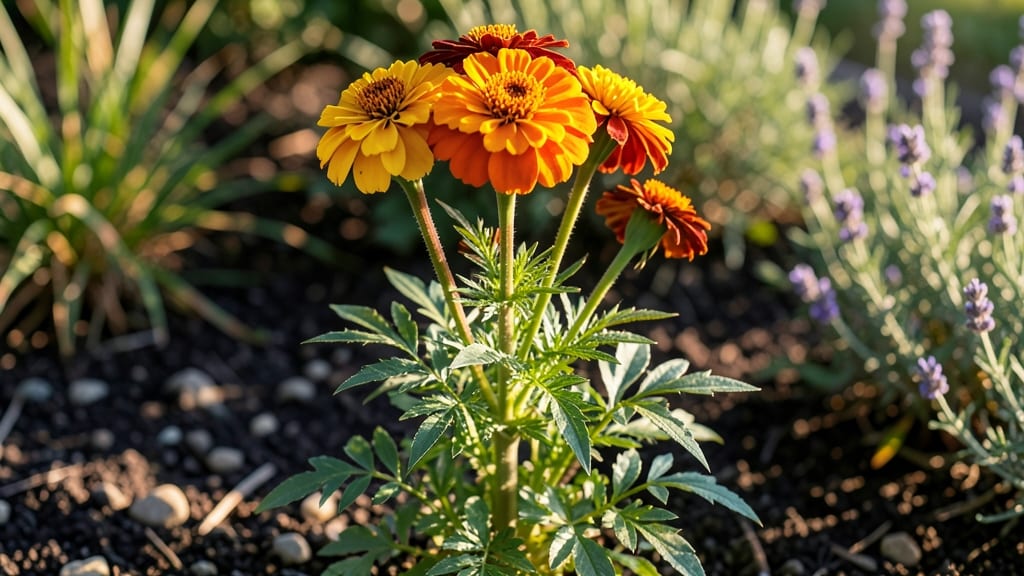
Marigolds bloom all summer in most climates, typically from early June through September, with some varieties extending into October. French marigolds often flower longer than African types, while cooler zones may see shorter blooming periods.
Marigolds are summer's workhorses, delivering vibrant color from June through September in most regions, though their exact bloom window depends on variety and location. 🌼 French marigolds, with their delicate petals, often outlast African types by a few weeks, while Mexican marigolds (the deep orange varieties) sometimes push into early October in warmer zones.
The key difference comes down to heat tolerance—French marigolds thrive in moderate climates, while African types handle Southern heat better. In cooler northern areas, you might see blooms taper off by August unless you choose early-starting varieties.
What makes marigolds so reliable is their continuous flowering habit—when you remove spent blooms (a process called deadheading), they respond by producing new flowers within days. This simple technique can extend your summer display by 3-4 weeks compared to unpruned plants.
I've found that morning watering and well-draining soil also play crucial roles in keeping them blooming strong through heat waves. The secret to their longevity isn't just variety selection, but consistent care that mimics their natural tropical origins.
💡 In This Article
- Marigold Blooming Seasons by Variety and Climate Zones
- Extending Marigold Blooms: Pruning and Care Tips
Marigold blooming seasons by variety and climate Zones
The blooming window for marigolds varies dramatically between their three main types: French, African, and Mexican. French marigolds (Tagetes patula) typically start blooming in late May to early June and continue through September or October in warmer climates, thanks to their cold tolerance down to USDA Zone 5.
Their delicate, ruffled petals make them popular for borders, but they're also the earliest to respond to cooler fall temperatures, often producing a second flush of blooms when nights dip below 60°F. 🌼
African marigolds (Tagetes erecta), including the towering African Queen variety, dominate summer displays from June through August in most regions but can extend into early October in Zones 8-11.
These heat lovers thrive in Southern climates where temperatures stay above 75°F during the day, but they often fade faster in Northern Zones 3-6 unless planted in microclimates with afternoon shade.
Mexican marigolds (Tagetes lucida) bridge the gap, blooming from July through September with their deep orange hues, and they're particularly resilient in Zone 7 and below where they handle brief cold snaps better than African types.
Climate plays a bigger role than most gardeners realize. In USDA Zones 9-11, marigolds can bloom almost year-round with minimal care, while in Zones 3-5, they're strictly summer performers that may only flower for 6-8 weeks unless you use row covers or choose early varieties like 'Bonanza Yellow'.
The key difference is daytime heat: African marigolds wilt when temperatures exceed 90°F for more than 3 days, while French types actually prefer 70-80°F ranges. This is why Southern gardens often mix varieties—African types for early summer, French for late summer, and Mexican for mid-season color.
Light exposure affects bloom timing too. Marigolds need 6-8 hours of direct sunlight daily, but in Zone 6 and below, planting them near south-facing walls can extend their season by 2-3 weeks by trapping heat.
I've seen marigolds in Zone 5 gardens bloom until mid-October when positioned against brick walls, while identical plants in open beds faded by early September. The wall effect works because it creates a 5-10°F warmer microclimate that delays the onset of fall dormancy. 🌡️
Soil conditions matter just as much as climate. Marigolds prefer slightly acidic to neutral soil (pH 6.0-7.0), and in alkaline soils (common in Western states), their blooms become sparse and leggy.
Adding 1-2 inches of compost at planting time provides the phosphorus boost they need for abundant flowers, while over-fertilizing with nitrogen leads to leafy growth at the expense of blooms.
In Zone 8+, I've found that mulching with 2-3 inches of straw keeps roots cool during summer heat waves, which paradoxically helps maintain consistent flowering.
Here's what this means for your garden: If you're in a cool Northern zone, prioritize French marigolds for early blooms and Mexican types for late summer color. Southern gardeners should mix African and French varieties to create a 12-week continuous display.
And remember—while marigolds are summer stars, their blooming windows can shift by 2-4 weeks depending on whether you're in a humid Southeast climate versus a dry Southwest region. The humidity difference alone can affect bloom duration by 30% or more.