
Blooming
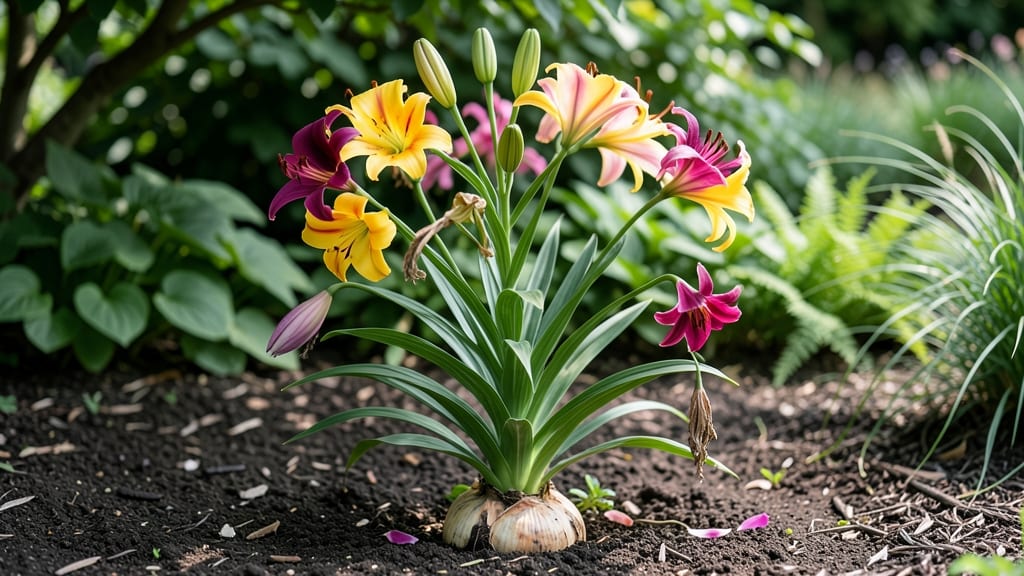
Most lilies bloom only once per season, but with targeted care—such as removing faded blooms promptly, feeding with balanced fertilizer, and ensuring full sun exposure—they can often produce flowers again the next year. Certain varieties like Asiatic and Oriental lilies may even generate multiple stems in a single season when conditions are ideal.
Lilies allocate most of their energy to flowering during their first bloom cycle, which is why many gardeners assume they bloom just once. 🌸 The key to encouraging reblooming lies in maintaining healthy roots and foliage after the initial flowers fade—this helps store energy for next season.
I’ve found that consistent watering (about 1 inch per week), well-draining soil, and a 10-10-10 fertilizer applied in early spring boosts reblooming success rates significantly. Some hybrid varieties are bred specifically for repeat flowering, so choosing the right type makes all the difference.
For example, Asiatic lilies are more likely to rebloom than trumpet lilies because they’re hardier and better adapted to cooler climates. The secret here is timing—prune spent blooms immediately to redirect energy to the bulbs, and add a thick layer of mulch in late fall to protect roots during winter.
This two-step approach can turn a one-time bloomer into a reliable annual performer.
💡 In This Article
- Why Most Lilies Bloom Once and How Their Growth Cycle Works
- Step-by-Step Guide to Encouraging Lily Reblooming
Why most lilies bloom once and how their growth cycle works
The single-season blooming habit of lilies stems from their energy allocation strategy. When lilies produce flowers, they prioritize reproduction over foliage growth, diverting nutrients to seed production rather than storing them for future blooms.
This is especially true for hardy varieties like Asiatic lilies, which focus their energy on a dramatic, one-time floral display.
The bulbs themselves act like biological batteries—storing starches and sugars during the growing season to fuel next year's growth, but only if the plant isn't overburdened by pests or poor conditions.
Sunlight plays a critical role in this cycle. Lilies need 6-8 hours of direct sun daily to photosynthesize efficiently, but too much intense afternoon sun can stress the plant, reducing its ability to store energy. The balance is delicate: morning sun with afternoon shade works best in hot climates.
What most gardeners miss is that lilies enter a dormancy phase after blooming, where they rely on stored energy. If the foliage is removed too soon (before it yellows naturally), the bulb won't replenish its reserves, making reblooming nearly impossible.
Soil nutrients are equally important. Lilies thrive in well-draining soil with a pH between 6.1 and 7.5. A deficiency in key nutrients like nitrogen or potassium can weaken the plant, while an excess of phosphorus (common in bone meal fertilizers) can actually discourage blooming.
The secret lies in a balanced fertilizer applied in early spring—this gives the plant the resources it needs to produce both flowers and the foliage required to store energy for next season.
Not all lilies follow this pattern equally. Tender varieties like trumpet lilies often bloom once and then decline, while hardy Asiatic types are more adaptable.
The difference comes down to their native environments: Asiatics evolved in cooler climates where they could recover more easily, while tropical species like Stargazer lilies prioritize dramatic single-season displays over longevity. Understanding your lily's origin helps predict its blooming behavior.
What happens at the cellular level? Lily blooms trigger a hormonal shift that prioritizes flower production over bulb development. The plant's meristem (growth center) focuses on creating seeds rather than storing starches.
This is why deadheading (removing spent blooms) is crucial—it signals the plant to redirect energy back to the bulbs. Without this intervention, the lily's natural tendency is to "rest" after flowering, often producing minimal foliage to conserve energy for survival rather than future blooms.
Consider this: A healthy lily bulb can store enough energy to produce 2-3 flower stems in a season if conditions are ideal. However, if the plant is stressed by drought, pests, or poor soil, it may only produce one weak stem.
The key is maintaining a consistent care routine throughout the growing season to ensure the plant has the resources it needs to rebloom.