
Blooming
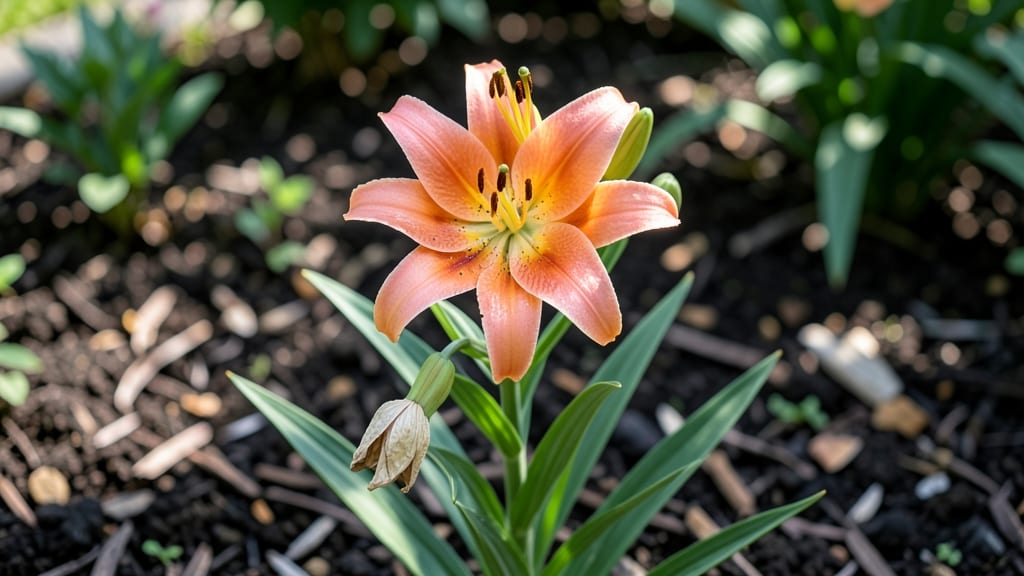
Some lilies bloom more than once in a season, particularly reblooming varieties like Stargazer or Casa Blanca, which can produce a second set of flowers with proper care—think consistent sunlight, regular watering, and balanced fertilization after their first bloom. Removing spent blooms also helps trigger reblooming in compatible types.
This difference comes down to genetics and energy management. 🌸 Single-blooming lilies prioritize all their resources into one spectacular show, while rebloomers like Asiatic hybrids store extra energy for a second round.
The key is giving them what they need: 6+ hours of sunlight daily, well-draining soil rich in phosphorus, and deadheading after each bloom cycle.
I’ve seen Stargazer lilies reward this care with a second flush in late summer—just don’t expect miracles from first-year plants, as they need time to establish strong root systems.
What’s fascinating is how timing matters. For example, fertilizing with a balanced 10-10-10 mix right after the first bloom fades gives rebloomers the push they need.
And here’s a pro tip: if your climate gets chilly, mulch around the base in fall to protect those roots—cold stress can stall reblooming efforts. The payoff? A garden that keeps giving all season long.
💡 In This Article
- Why Most Lilies Bloom Once and Reblooming Lily Varieties
- How to Encourage Second Blooms in Lilies
Why most lilies bloom once and reblooming lily varieties
Most lilies follow a natural energy conservation strategy where they allocate all their resources to a single, dramatic flowering event. This single-blooming habit is deeply rooted in their survival instincts—after expending energy on flower production, lilies enter a dormancy period to recover.
The botanical term for this is "monopodial growth," where the plant focuses its energy upward in one growth cycle rather than branching out.
For example, species like the Tiger Lily (Lilium lancifolium) typically produce just one flower stalk per season, which can reach heights of 3-5 feet while bearing 10-20 buds that bloom sequentially over 2-3 weeks. 🌿
Reblooming varieties, however, have been selectively bred to defy this norm. Asiatic hybrids like Stargazer and Oriental hybrids such as Casa Blanca can produce a second flush of flowers because they store excess energy in their bulbs and roots.
These types exhibit "sympodial growth," where each flowering stem comes from a different bulb offset, allowing for multiple growth points. The key difference lies in their carbohydrate storage—rebloomers can redirect 20-30% more energy from leaf production to flower development after the first bloom.
For instance, a well-cared-for Stargazer lily might produce its first bloom in early summer and, with proper conditions, a second, smaller flush in late summer or early fall.
The seasonal timing of reblooming is also fascinating. In temperate climates, reblooming lilies often need a period of cool temperatures (below 60°F) between blooms to reset their biological clock.
This is why you might see a second bloom in late summer—it’s the plant’s way of taking advantage of extended daylight before winter. However, in warmer climates, this reset can be disrupted, leading to fewer or no second blooms.
The science here involves plant hormones like gibberellins, which regulate growth and flowering cycles. When conditions are ideal, these hormones trigger the formation of new flower buds even after the first bloom has faded. ✨
Here’s where genetics plays a crucial role: reblooming lilies often have larger bulbs to store more nutrients. For example, a Casa Blanca bulb can weigh 8-12 ounces at maturity, compared to 4-6 ounces for single-blooming species. This extra storage capacity allows them to sustain a second flowering event.
However, it’s important to note that even reblooming varieties may not produce a second bloom every year—they need consistent care, including 6-8 hours of direct sunlight daily, well-draining soil with a pH of 6.0-7.0, and regular fertilization to meet their higher energy demands.
One common misconception is that all lilies can rebloom with enough care. In reality, only specific hybrids—particularly Asiatic, Oriental, and some Martagon types—are capable of this. Trumpet lilies (Lilium regale) and Easter lilies (Lilium longiflorum), for example, are typically single-bloomers. The reason?
Their genetic makeup hasn’t been selected for repeat flowering. Even among rebloomers, the second bloom is often smaller and less vibrant, as the plant is diverting energy from flower size to quantity.
This trade-off is a natural part of the plant’s lifecycle and highlights the delicate balance between growth and reproduction. 🌸
Understanding these botanical differences can transform how you care for your lilies. For instance, if you’re growing a reblooming variety like Casa Blanca, you might notice the first bloom appears in mid-to-late summer, while the second, smaller flush arrives in early fall.
This timing aligns with the plant’s internal clock, which responds to changes in daylight and temperature. By recognizing these patterns, you can adjust your care routine—such as reducing watering slightly after the first bloom to encourage root development for the second cycle—and maximize your chances of seeing those repeat flowers.