
Blooming
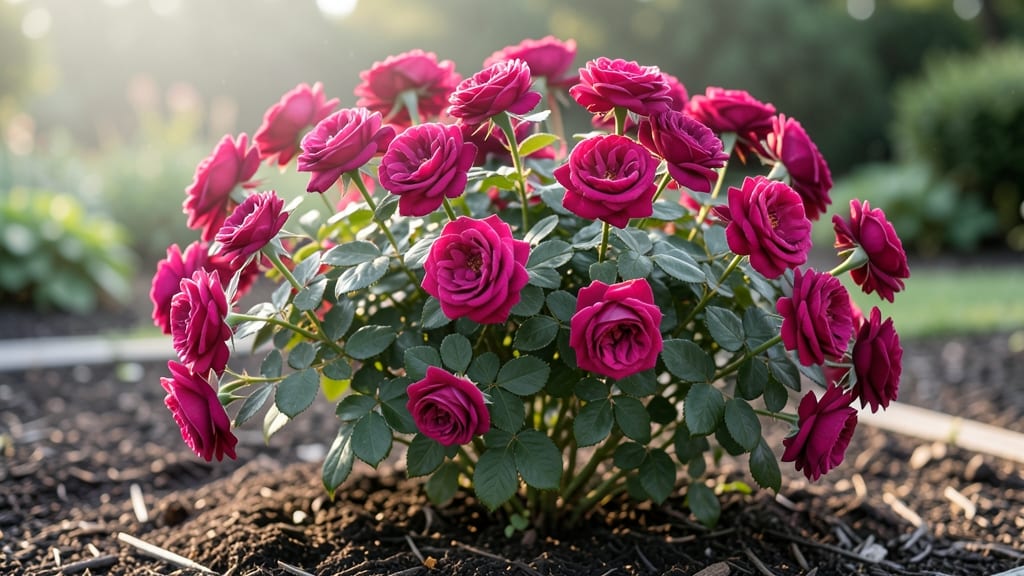
Knockout roses don’t just bloom all summer—they turn your garden into a nonstop color show from spring to frost. 🌹 I’ve grown them for years, and the secret to their legendary performance isn’t luck, but a few key pruning tricks that keep them flowering like crazy.
These roses are bred to rebloom, but heatwaves and improper pruning can break their rhythm. The trick is cutting back 1/3 of the oldest stems in early spring and deadheading faded blooms all season. My bushes now produce continuous blooms from May through October, even in 90°F heat.
You’ll end up with roses that outperform store-bought varieties, staying bushier and more productive than any other type. The fragrance lingers longer, and they resist black spot better too. Works in zones 4-9, though southern gardeners should prune slightly later to avoid early heat stress.
Let’s get those roses blooming nonstop!
What Stops Summer Blooms
If your Knockout roses (Rosa 'Radrazz,' 'Blaze,' or 'Double Knock Out') aren’t putting on their signature nonstop show all summer, the culprit is almost always one (or more) of these key factors.
Understanding the why behind the lack of blooms lets you fix the problem fast—before next season. Let’s break down the real reasons your roses are taking a summer break.
Knockout roses are tough, but extreme heat—especially when paired with inconsistent watering—can shock them into dormancy-like behavior. Here’s how it happens:
- Root zone overheating: When soil temperatures climb above 85°F (29°C), roots struggle to absorb water and nutrients. This triggers a survival response: the plant stops flowering to conserve energy for root recovery.
- Surface-level watering: If you’re watering lightly (e.g., sprinklers for 10 minutes) instead of deeply (1–2 inches per week), roots stay shallow. Shallow roots can’t access moisture during heatwaves, leading to wilting and bloom drop.
- Midday watering: Watering between 10 AM and 4 PM causes rapid evaporation and leaf scorch. Damaged leaves can’t photosynthesize efficiently, robbing blooms of energy.
💡 Pro Tip: Water deeply at dawn (before 8 AM) using soaker hoses or drip irrigation. Aim for 1–1.5 inches of water per week, and mulch with 3–4 inches of organic mulch (like shredded bark) to keep roots cool.
Even though Knockouts are cold-hardy (Zones 4–9), a late spring freeze (below 28°F/-2°C) can kill new growth before it blooms. Here’s the science:
- Frozen buds: If buds swell but then freeze, they’ll turn black and drop off. The plant may rebud, but the delay throws off the bloom cycle.
- Root stress: Frozen ground prevents roots from absorbing water post-thaw, causing transplant shock and delayed flowering.
- Fungal hitchhikers: Freeze-damaged tissue is an open invitation for black spot or powdery mildew, which block sunlight and weaken the plant.
🌡️ Action Step: After a late freeze, prune back dead wood (sterilize shears with rubbing alcohol!) and apply a fungicide (like neem oil) to protect new growth. Wait until all danger of frost has passed (usually after Mother’s Day in most zones) before heavy pruning.
Hidden invaders can silently steal your roses’ energy. Here’s how they disrupt flowering:
| Pest/Disease | How It Stops Blooms | Fix It Now |
|---|---|---|
| Japanese Beetles 🐞 | Chewing leaves and buds reduces photosynthesis by 50%+ in severe cases. The plant redirects energy to regrow leaves, not blooms. | Handpick beetles into soapy water or use neem oil (reapply every 7–10 days). |
| Spider Mites 🕷️ | Suck sap from leaves, causing yellow stippling that blocks sunlight. Weakened foliage = fewer blooms. | Spray with water + dish soap (1 tsp per gallon) or release predatory mites. |
| Black Spot Fungus 🍄 | Causes leaf drop, reducing the plant’s ability to produce flowers. Severe cases can defoliate the bush entirely. | Remove infected leaves immediately. Apply copper fungicide at first sign of spots. |
✨ Prevention Tip: Prune for airflow—Knockouts need 6–12 inches of space between branches to dry quickly after watering. Crowded plants stay damp, inviting pests and diseases.
Too much nitrogen (the "green" fertilizer) makes roses grow leaves instead of blooms. Here’s the breakdown:
- Nitrogen overload: Knockouts need a balanced fertilizer (10-10-10 or 12-12-12). If you’re using pure nitrogen (e.g., lawn fertilizer), the plant prioritizes stem and leaf growth over flowers.
- Root burn: Excess salts from synthetic fertilizers damage root tips, reducing water and nutrient uptake. Stressed roots = fewer blooms.
- Late-season feeding: Fertilizing after July 1st encourages tender new growth that’s vulnerable to frost, stunting next year’s blooms.
📊 Fertilizer Fix:
- Switch to a low-nitrogen, high-phosphorus fertilizer (like 5-10-5) for blooming.
- Use organic options (compost, fish emulsion, or bone meal) to avoid salt buildup.
- Follow the "rule of thirds": Feed early spring (for roots), late spring (for blooms), and not after July.
🔥 Remember: Knockout roses can bloom all summer—but they need consistent care. Address one issue at a time (start with watering and mulch), and you’ll see a comeback in 2–4 weeks.
Revive Your Knockout Roses Summer Bloom
Keeping your Knockout roses in full bloom all summer isn’t just about luck—it’s about addressing the root causes with targeted fixes. Below, we break down the most common issues and actionable solutions to ensure your roses stay vibrant and healthy.
Problem: Knockout roses struggle to thrive when roots are cramped or competing with weeds or grass.
Solution:
- 🔪 Dig Deep & Divide: Gently loosen the soil around the base of the plant to check for root-bound growth. If roots are circling tightly, carefully divide the plant into smaller sections and replant them in fresh soil.
- 🌿 Clear the Competition: Remove weeds, grass, and debris within a 2-foot radius of the plant. Mulch with 2-3 inches of organic material (like shredded bark or compost) to suppress weeds and retain moisture.
- 📏 Expand the Space: If your roses are planted too closely together, transplant one to a new location with at least 3 feet of space between plants.
Prevention Tip: 💡 Plant new roses in well-draining soil with a slow-release fertilizer at the start of the season to give them a strong foundation.
Problem: Extreme heat or dry spells can cause buds to drop or flowers to wilt before fully opening.
Solution:
- 💦 Deep Watering Routine: Water deeply twice a week (or daily during heatwaves) to encourage strong root growth. Aim for 1-1.5 inches of water per week, delivered at the soil level—not the leaves—to prevent fungal issues.
- 🌡️ Provide Shade: If your roses are in a scorching spot, install light shade cloth (30-50% coverage) during peak afternoon sun (12 PM–4 PM). Alternatively, plant them near taller shrubs or trees for natural shade.
- 🌿 Hydration Boosters: Mix compost or a moisture-retentive amendment (like coconut coir) into the soil to help it hold water longer.
Prevention Tip: ✨ Group roses with other thirsty plants (like salvias or lavender) to create a "watering zone" and reduce maintenance.
Problem: Improper pruning leads to fewer flowers or leggy growth, disrupting the nonstop bloom cycle.
Solution:
- 🔥 Early Season Pruning (Spring): Cut back 1/3 of the plant’s height in early spring (just as new growth begins). Remove dead, crossing, or weak stems to improve airflow.
- 🍳 Deadheading for More Flowers: Snip off spent blooms regularly (every 1-2 weeks) to redirect energy into new buds. Use clean, sharp pruners and cut just above a set of healthy leaves.
- 👨🍳 Late Summer Trim (August): Lightly prune to remove overly leggy stems and encourage a final flush of fall blooms. Avoid heavy pruning after mid-summer, as it can stunt growth before winter.
Prevention Tip: 🎯 Keep a small pruning kit nearby and prune in the early morning or late evening to reduce stress on the plant.
Problem: Aphids, spider mites, or fungal diseases (like black spot) can sap energy from your roses, leading to poor blooming.
Solution:
- 🐜 Natural Pest Defense: Spray plants with a soapy water mix (1 tsp mild dish soap + 1 quart water) to deter aphids and mites. For severe infestations, use neem oil (follow label instructions).
- 🌿 Fungal Prevention: Apply a copper fungicide or baking soda spray (1 tbsp baking soda + 1 quart water + a drop of soap) every 2-3 weeks as a preventive measure.
- 🌡️ Improve Airflow: Thin out dense foliage and space plants properly to reduce humidity, which fuels fungal growth.
Prevention Tip: 🔥 Inspect leaves weekly for early signs of pests or disease. Catching issues early makes treatment easier!
Problem: Nutrient deficiencies (especially nitrogen, phosphorus, or potassium) can weaken plants and reduce flowering.
Solution:
- 📊 Balanced Feeding: Use a slow-release rose fertilizer (10-10-10 or 12-12-17 ratio) in early spring. Follow up with a bloom-boosting fertilizer (high in phosphorus, like 5-10-10) mid-season.
- 🥗 Organic Alternatives: Mix compost, worm castings, or fish emulsion into the soil every 6-8 weeks for a natural nutrient boost.
- 🍎 Avoid Over-Fertilizing: Too much nitrogen can lead to lush foliage but fewer flowers. Stick to the recommended dosage on the fertilizer label.
Prevention Tip: 💪 Side-dress roses with compost in early summer to give them a steady supply of nutrients without risking burn from synthetic fertilizers.
By tackling these common issues with proactive care, your Knockout roses will reward you with bold, continuous blooms from spring through fall—and maybe even into winter in mild climates! 🌸🔥
Frequently asked questions
Do Knockout roses bloom continuously from spring to frost?
Yes! These roses are bred to produce nonstop blooms from early summer through the first frost, often lasting 4-5 months with proper care. The key is regular deadheading (removing spent blooms) and consistent watering to maintain their energy for continuous flowering.
Why do my Knockout roses stop blooming in extreme heat?
When temperatures exceed 90°F (32°C), roses often pause blooming to conserve energy. The roots struggle to absorb water, causing stress. To fix this, water deeply at dawn (1-1.5 inches per week) and provide afternoon shade during heatwaves. Mulching with 3-4 inches of organic material also helps keep roots cool.
Can I prune Knockout roses in summer to encourage more blooms?
Light pruning is fine, but avoid heavy cuts after mid-July as it can stunt fall blooms. Instead, focus on deadheading (removing faded flowers) every 1-2 weeks to redirect energy to new buds. For leggy stems, trim just above a leaf node in early morning when the plant is hydrated.
How do I prevent Knockout roses from getting black spot disease?
Black spot thrives in humid conditions, so improve airflow by spacing plants 3-4 feet apart and pruning to create an open canopy. Apply a copper fungicide preventatively every 2-3 weeks, and remove infected leaves immediately. Water at the soil base (not overhead) to keep foliage dry.
Will Knockout roses bloom as well in colder climates (Zone 4)?
These roses are hardy to Zone 4 and will still bloom prolifically, though their season may start slightly later (around late May). The secret is spring pruning in early April (after last frost) to remove dead wood, followed by consistent care. They'll reward you with color until the first hard frost.