
Blooming
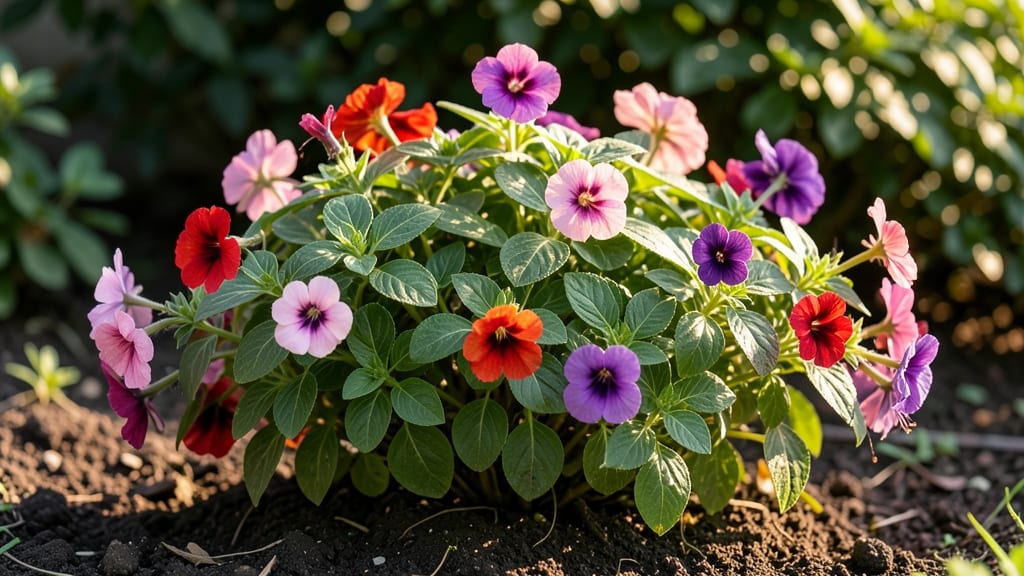
Impatiens do bloom all summer when given the right conditions, with peak flowering from early June until frost arrives in fall. However, extreme heat or dry spells can shorten their bloom time, especially for bush varieties.
These cheerful annuals thrive in summer's long daylight hours, which trigger their flowering cycle. 🔥 New Guinea impatiens handle heat better than bush types, often continuing to bloom even when temperatures climb above 85°F.
The key is keeping soil consistently moist and providing afternoon shade in hot climates—this prevents stress that can cause buds to drop. I've seen gardeners extend blooms into early autumn by deadheading spent flowers and using slow-release fertilizer every 6-8 weeks.
What's interesting is how impatiens respond to environmental cues: cooler nights and shorter days signal them to slow down production. That's why you'll often see a second bloom surge in late summer if conditions remain favorable. For best results, choose heat-tolerant varieties and monitor moisture levels closely during dry periods.
💡 In This Article
- Why Impatiens Flowering Peaks in Summer Heat
- Maximizing Summer Blooms: Care Tips for Long-Lasting Impatiens
Why impatiens flowering peaks in summer heat
Impatiens respond to summer's long daylight hours through a process called photoperiodism, where increasing light exposure triggers flower production. These plants require 12-14 hours of daylight daily to maximize blooming, which is why they thrive during June-August when days are longest.
The botanical magic happens when sunlight stimulates chlorophyll production, which then activates the plant's hormonal pathways to produce more flowers rather than foliage. 🌞 This is why impatiens often produce their most vibrant displays during peak summer months.
Temperature plays a crucial role in their flowering cycle, with optimal ranges between 60-75°F for most varieties. However, New Guinea impatiens have adapted to handle higher temperatures, continuing to bloom even when thermometers hit 85-90°F. The secret lies in their thicker, waxier leaves that reduce water loss through transpiration.
Bush impatiens, on the other hand, often show signs of stress above 80°F, which can cause buds to drop before opening. This temperature sensitivity explains why heatwaves might shorten their bloom season.
Moisture levels create another critical trigger for continuous flowering. Impatiens have shallow root systems that need consistent moisture to support their energy-intensive blooming process.
When soil dries out, the plant conserves energy by dropping buds and reducing flower production—a survival mechanism that kicks in when roots can't absorb enough water. 💧 This is why gardeners in hot climates often see better results with daily watering or mulching to retain moisture.
The right balance of water and temperature creates the perfect environment for impatiens to maintain their colorful displays.
Interestingly, impatiens also respond to nighttime temperatures. Cooler evenings (around 60-65°F) help them recover from daytime heat stress, allowing them to continue producing flowers. This is why you'll often see a second bloom surge in late summer when nights remain mild.
The plant's internal clock uses these temperature cues to determine when to slow down flower production, which is why blooms may taper off as fall approaches and nights grow cooler.
Different varieties show remarkable differences in their heat tolerance. New Guinea impatiens, for example, can handle up to 95°F with proper care, while bush impatiens typically struggle above 80°F.
This variety difference comes from selective breeding—New Guinea types were developed to thrive in tropical climates where temperatures rarely drop below 70°F at night. Understanding these botanical triggers helps explain why some impatiens continue blooming while others fade during summer's peak heat.
What most gardeners don't realize is that impatiens actually produce more flowers when they receive consistent care. The plant's flowering mechanism is designed to reward proper growing conditions with increased blooms—a biological response to optimal growing environments.
This is why well-maintained impatiens can continue flowering well into early autumn, sometimes even until the first frost arrives. 🌿 The key is creating conditions that keep the plant's energy focused on flower production rather than stress responses.