
Blooming
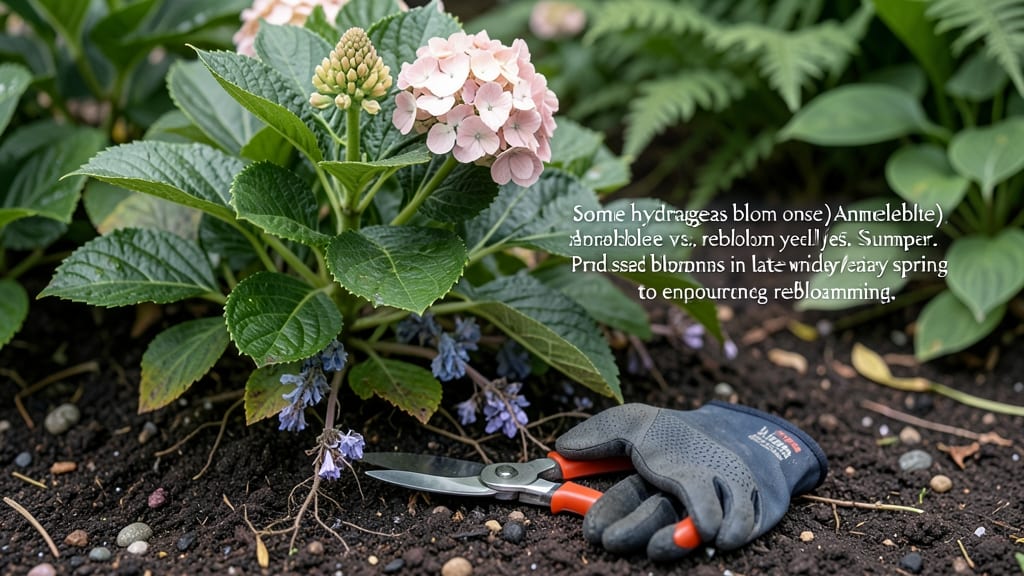
Do hydrangeas only bloom once a year?—that’s what most gardeners think. 🌸 The truth is more nuanced: some varieties put all their energy into one spectacular show, while others can rebloom if you understand their growth habits and prune them right.
Here's the thing: hydrangeas bloom on either old wood (last year's growth) or new wood (this year's). Mopheads and lacecaps rely on old wood, so if you prune them back too hard in spring, you might miss their summer blooms entirely.
Panicle hydrangeas, on the other hand, bloom on new wood, making them more forgiving for reblooming.
By adjusting your pruning timing—waiting until late winter or early spring for old-wood types, and light pruning in summer for new-wood varieties—you can coax a second flush of blooms.
I've seen my panicle hydrangeas produce a stunning fall display after a well-timed summer trim, and the difference is night and day.
Troubleshooting poor blooming starts with checking sunlight, water, and soil pH. Hydrangeas need consistent moisture and slightly acidic soil to thrive. Once you get those basics right, you'll be rewarded with lush foliage and the blooms you've been dreaming of—whether it's one spectacular show or two.
📚 In This Guide
- What you need
- Instructions
- Tips and common mistakes
- Wrapping up and next steps
What you need
- ● Hydrangea plants: 1–3 mature plants (reblooming varieties like Endless Summer, Annabelle, or Nikko Blue)
- ● Potted or in-ground (ensure well-draining soil)
- ● Pruning tools: 1 pair of bypass pruners (sharp, clean)
- ● 1 hand pruner (for smaller stems)
- ● 1 loppers (for thicker branches, 2–3 ft)
- ● Disinfectant (70% isopropyl alcohol or bleach solution)
- ● Fertilizer: 1 balanced granular fertilizer (10-10-10 or 20-20-20, 1 lb per plant)
- ○ 1 slow-release fertilizer (optional, for steady nutrients)
- ● 1 acid-loving plant fertilizer (e.g., Miracid, for blue/pink blooms)
- ● Mulch: 2–3 inches of organic mulch (pine bark, shredded leaves, or compost)
- ● Watering supplies: 1 hose with adjustable nozzle or drip irrigation system
- ● 1 watering can (for potted hydrangeas)
- ● Know your variety: Research whether your hydrangea is a mophead, lacecap, or panicle—reblooming habits vary!
- ● Sunlight: 4–6 hours of morning sun (afternoon shade in hot climates)
- ● Soil pH: Test soil pH (home kits or lab test; aim for 5.2–5.5 for blue, 6.0–6.2 for pink)
- ● Adjust with sulfur (for acidity) or lime (for alkalinity) if needed
- ● Timing: Prune at the right time (early spring or post-bloom, never late fall)
- ● 1 soil moisture meter (to track hydration levels)
- ● 1 plant support stake (for heavy blooms, 4–6 ft tall)
- ● Floral preservative (for cutting blooms to extend vase life)
- ● 1 journal or app (to track pruning/fertilizing dates)
How to encourage hydrangeas to bloom more than once a year
Not all hydrangeas bloom just once—here’s how to coax extra flowers with the right variety and care.
🌿 Step 1: Choose the Right Reblooming Variety
Some hydrangeas bloom only on old wood (last year’s growth), while others bloom on new wood or both. For multiple blooms, pick varieties like Endless Summer, Nikko Blue, or Little Lime—they’re bred to flower twice. Check your plant’s tags or research its type; if it’s a mophead or lacecap that blooms only once, prune carefully to avoid cutting off next year’s buds.
Here’s the thing—if your hydrangea blooms in late spring, it’s likely an old-wood bloomer (like Oakleaf or Annabelle). These need a different approach: leave last year’s stems untouched until after they finish flowering. New-wood bloomers (like Panicle types) can be pruned more aggressively in late winter or early spring.
✂️ Step 2: Prune at the Right Time for Your Type
For new-wood bloomers, prune in late winter or early spring before new growth starts. Cut back one-third of the oldest stems to encourage fresh, flower-filled growth. If you wait too long, you’ll trim off next year’s buds. I always mark the stems with a ribbon to track which ones I’ve pruned—it’s easy to lose track with thick canes.
For old-wood bloomers, prune right after flowering (late summer or early fall). Remove only dead, weak, or crossing stems—never cut back healthy wood. If you accidentally prune too much, you might lose next year’s blooms entirely. Watch for buds forming at the base of stems in late summer; these are your next year’s flowers.
☀️ Step 3: Feed and Water for Continuous Blooms
Hydrangeas need balanced fertilizer (like 10-10-10) twice a year: once in early spring and again after the first flush of flowers. Too much nitrogen makes leaves lush but flowers sparse. I mix in compost or aged manure for slow-release nutrients—hydrangeas love organic matter but hate soggy soil. Water deeply once a week (more in drought), keeping soil evenly moist but not soggy.
Here’s the trick: mulch around the base with 2-3 inches of shredded bark or leaves to retain moisture and regulate soil temperature. This keeps roots happy year-round, which means more energy for blooming. If your hydrangea’s leaves start yellowing, it’s often a sign of overwatering or poor drainage—fix that fast.
🌱 Step 4: Adjust Light and Soil for Better Blooms
Most hydrangeas thrive in morning sun and afternoon shade, especially in hot climates. Too much direct afternoon sun can scorch leaves and stress the plant, reducing blooms. If your hydrangea’s leaves look crispy or bleached, move it to a slightly shadier spot. For blue flowers, keep soil acidic (pH 5.0-5.5) with aluminum sulfate or vinegar (1 cup per gallon of water, applied monthly). For pink flowers, use lime to raise pH to 6.0-6.5.
Test your soil every 2-3 years—hydrangeas are finicky about pH. If you’re unsure, start with hydrangea-specific fertilizer (like Miracid), which adjusts pH while feeding. The first time I tested my soil, I was shocked to see it was neutral—no wonder my blooms were turning green!
Tips & tricks for encouraging hydrangeas to rebloom
A few simple adjustments can transform your hydrangeas from one-time bloomers to year-round showstoppers.
Variety Matters: If you're unsure whether your hydrangea is an old-wood or new-wood bloomer, observe when it flowers. Late spring bloomers are typically old-wood types like Oakleaf or Annabelle—these need gentle pruning to preserve next year's buds. New-wood bloomers like Panicle types or the famous Endless Summer series can handle more aggressive pruning in late winter, but timing is everything. I once pruned my Oakleaf too early and lost that year's blooms completely.
Pruning Precision: For new-wood bloomers, the key is cutting back one-third of the oldest stems in late winter before new growth appears. Use a sharp pair of pruners and cut just above a leaf node or outward-facing bud. I always tie a small ribbon around the stems I've pruned to avoid confusion—hydrangeas can get quite bushy! For old-wood types, wait until after flowering to prune, and only remove dead or crossing branches. The buds for next year's blooms form at the base of last year's stems.
Fertilizer Timing: The twice-yearly feeding schedule in Step 3 is non-negotiable for reblooming. Early spring feeding kickstarts growth, while post-bloom feeding replenishes nutrients. I've found that a slow-release fertilizer like Osmocote works wonders—it feeds steadily without the risk of over-fertilizing. And remember, hydrangeas hate soggy roots, so always water at the base and avoid wetting the foliage to prevent fungal issues.
Light and Soil Secrets: That morning sun and afternoon shade recommendation isn't just about aesthetics—it's about stress reduction. Hot afternoon sun can scorch leaves, diverting energy away from blooming. For soil pH adjustments, I've had the most success with Miracid—it's specifically formulated for hydrangeas and makes color changes gradual and predictable. Test your soil every couple of years; even small pH shifts can dramatically affect flower color and quantity.
Pro Tips for Do Hydrangeas Only Bloom Once A Year
- A few simple adjustments can transform your hydrangeas from one-time bloomers to year-round showstoppers.
- Variety Matters: If you're unsure whether your hydrangea is an old-wood or new-wood bloomer, observe when it flowers....
- Pruning Precision: For new-wood bloomers, the key is cutting back one-third of the oldest stems in late winter before...
Frequently asked questions
Got questions about hydrangea blooming cycles? You’re not alone! Here are some of the most common concerns—and answers—to help you maximize those stunning flowers year after year.
Why do my hydrangeas only bloom once?
Most hydrangeas (like Hydrangea macrophylla) bloom on old wood (last year’s growth), so they typically flower once in late spring or summer. Pruning at the wrong time or cutting back old stems can prevent blooms. Learn how to prune correctly to encourage reblooming!
Can I make my hydrangeas bloom twice a year?
Yes! Reblooming varieties (e.g., Endless Summer or You & Me) produce flowers on both old and new wood. To encourage a second flush, deadhead spent blooms in summer and avoid heavy pruning until late winter. Pro tip: Fertilize lightly in early spring and mid-summer for extra blooms!
When is the best time to prune for reblooming?
Prune after flowering (late summer/early fall) or in late winter (before buds swell). Avoid cutting back old stems in spring—this removes next year’s blooms! For rebloomers, trim back only the dead or overcrowded growth to 6–12 inches above the base. See a visual guide for clarity!
What if my hydrangeas aren’t blooming at all?
Check these common issues:
- Too much shade: Most hydrangeas need partial sun (4–6 hours/day).
- Over/under-fertilizing: Too much nitrogen = leaves, not flowers. Use a balanced bloom booster in spring.
- Drought stress: Keep soil consistently moist (but not soggy). Mulch helps retain water.
- Wrong variety: Some, like oakleaf hydrangeas, bloom on old wood and new wood but may need patience.
How do I know if my hydrangea is a rebloomer?
Check the bloom time and stem type:
Bloom Once (Old Wood)
Reblooms (Old + New Wood)
H. macrophylla (e.g., Nikko Blue)
Endless Summer, You & Me, BloomStruck
Flowers in late spring/early summer
Flowers in spring AND fall
Prune right after blooming
Prune late winter or after fall blooms
Still unsure? Ask your local nursery or snap a photo of the stems/blooms for ID help!
Wrapping up and next steps
So, do hydrangeas only bloom once a year? Not necessarily! While many varieties follow a seasonal rhythm, reblooming hydrangeas like __PROTECT_0 or PROTECT_1__ can reward you with two stunning displays—if you give them the right care.
The secret lies in choosing the right variety, pruning wisely, and meeting their needs for sunlight, water, and nutrients. 🌸
Ready to unlock your hydrangea’s full potential? Start by identifying your plant’s type and adjusting your care routine today—your garden will thank you with vibrant blooms all season long! 🌿