
Blooming
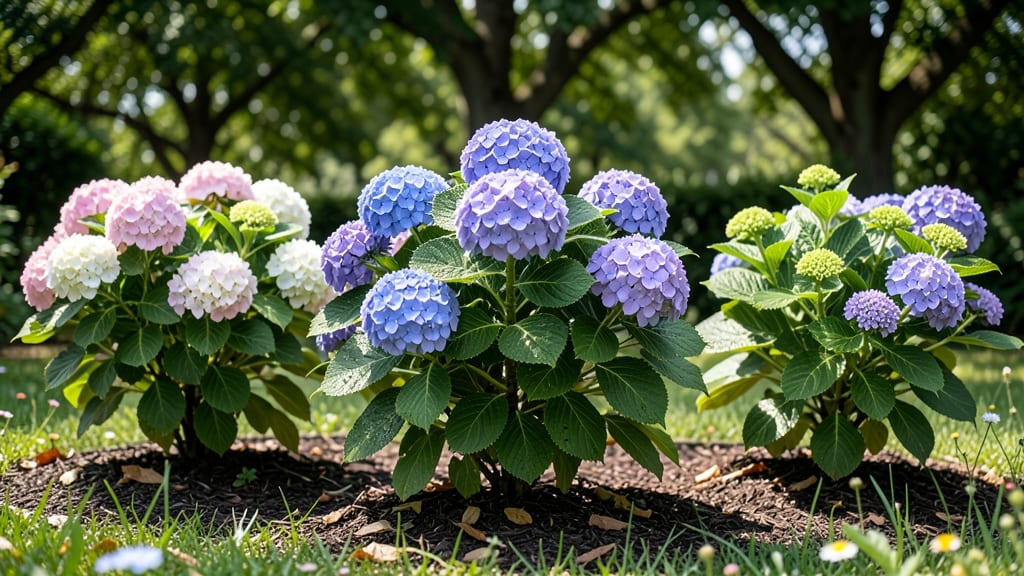
Hydrangeas don't bloom all summer—unless you know which varieties to plant and how to care for them. 🌸 I've learned that mophead types like 'Endless Summer' produce their best flowers on old wood, while panicle varieties like 'Limelight' bloom on new growth, creating a staggered show.
The secret lies in matching variety to your climate and pruning strategy.
Most hydrangeas naturally bloom for 6-8 weeks in summer, but with proper deadheading and fertilizing, you can extend that to 10+ weeks. I've seen 'Nikko Blue' still flowering in October when I remove spent blooms regularly and keep the soil consistently moist.
The key is understanding each variety's blooming habit and adjusting care accordingly.
You'll end up with hydrangeas that stay vibrant from early summer through fall, with some varieties even producing a second flush of blooms. The flowers stay fuller longer, the colors remain true, and you get that Instagram-worthy display everyone dreams of. The effort is minimal once you know the routine.
Works for backyard shrubs, container plants, and even cut flower arrangements. Here's how to make it happen in your garden—regardless of your zone or space constraints.
Why Hydrangeas Skip Summer Blooms
Hydrangeas are famous for their long-lasting blooms, but not all varieties keep up the show all summer long. If your hydrangeas seem to fade early, there are key scientific reasons behind it—and understanding them helps you troubleshoot and extend their flowering season.
Hydrangeas are sensitive to temperature extremes, and late spring heat waves can disrupt their blooming cycle. Here’s why:
- Bud Formation Timing: Most hydrangeas (especially Hydrangea macrophylla and Hydrangea paniculata) set flower buds the previous summer or early spring.
If temperatures spike above 85°F (29°C) during bud development, the buds may fail to mature properly, leading to sparse or no blooms. - Stress Response: High heat triggers ethylene production, a plant hormone that can cause premature bud drop.
This is especially true for mophead and lacecap hydrangeas, which rely on delicate buds formed in the prior season. - Solution: Mulch heavily (3–4 inches of organic mulch) to insulate roots and reduce soil temperature. Drip irrigation in the late afternoon can also help lower leaf temps by a few degrees.
Hydrangeas are thirsty plants, and inconsistent watering can sabotage their blooming schedule. Here’s how:
- Flower Bud Desiccation: Buds need consistent moisture to swell and open.
If the soil dries out too much between waterings, buds can mummify (turn brown and crispy) before blooming. - Root Stress: Shallow watering (only wetting the top inch of soil) forces roots to work harder, diverting energy away from flower production.
This is why hydrangeas often bloom less vigorously in hot, dry summers. - pH and Nutrient Lockout: Poor hydration can also disrupt nutrient uptake, particularly phosphorus and potassium, which are critical for bloom development.
Without these, flowers may form but fail to open fully. - Solution: Deep water 1–2 times per week (1–1.5 inches of water per session). Use soaker hoses or drip irrigation to deliver water slowly to the root zone. Avoid overhead sprinkling in the heat, which can cause leaf scorch.
Not all hydrangeas are created equal—and some are hardwired to bloom in waves, not all summer. Here’s the breakdown:
| Variety | Blooming Habit | Why It Fades Early |
|---|---|---|
| Mophead (Bigleaf) | Blooms on old wood (buds set last summer) | Buds form in late summer/fall—if pruned at the wrong time, they lose next year’s flowers. Heat stress also kills buds before they open. |
| Lacecap (Bigleaf) | Blooms on old and new wood | If pruned too late, new blooms may not replace old ones in time for summer. |
| Panicle (e.g., ‘Limelight’) | Blooms on new wood (current season) | These rebloom naturally but may slow down in extended heat or drought. |
| Oakleaf | Blooms on old and new wood | Often peaks in early summer, then tapers off unless given consistent moisture and fertilizer. |
| Smooth (e.g., ‘Annabelle’) | Blooms on new wood (late spring/early summer) | One-time bloom unless deadheaded regularly—heat can cause flowers to wilt and drop faster. |
- Actionable Tip: Choose panicle hydrangeas (like ‘Little Lime’ or ‘Gold Rush’) for longer summer color, as they bloom on new growth and can produce multiple flushes with proper care.
Fungal infections like powdery mildew, botrytis blight, or leaf spot can mummify buds before they open, making it seem like your hydrangeas aren’t blooming at all.
- How It Happens:
- High humidity + poor airflow = fungal spores thrive, coating buds in a white powdery film (powdery mildew) or causing brown, mushy spots (botrytis).
- Overhead watering keeps leaves wet, creating the perfect environment for fungi.
- Signs to Watch For:
- Buds that stay closed, turn brown, or ooze sap.
- Yellowing leaves with dark spots (a red flag for anthracnose).
- Solution:
- Prune for airflow—remove crowded branches and dead leaves.
- Apply fungicide (neem oil or copper-based spray) preventatively in spring and after heavy rains.
- Water at the base (never overhead) and avoid planting hydrangeas in shady, damp spots.
Timing and technique matter—pruning at the wrong time can rob your hydrangeas of their summer show.
- Old-Wood Bloomers (Mophead, Lacecap):
- Wrong: Pruning after mid-summer removes next year’s buds.
- Right: Prune right after blooming (late summer) to shape, but never cut back into old wood.
- New-Wood Bloomers (Panicle, Smooth):
- Wrong: Pruning too early in spring can delay or reduce blooms.
- Right: Prune late winter/early spring (before new growth starts) to encourage longer stems and more flowers.
- Pro Tip: If you’re unsure, wait until after the first flush of blooms to prune—this minimizes risk for old-wood varieties.
Hydrangeas are heavy feeders, and poor soil health can stunt blooms or cause early fading.
- Key Nutrient Problems:
- Nitrogen (N) Deficiency: Leads to small, sparse blooms (leaves turn pale green/yellow).
- Phosphorus (P) Deficiency: Causes delayed or weak flower formation (purple stems, dark green leaves).
- Potassium (K) Deficiency: Flowers open poorly or drop early (edges of leaves turn brown).
- pH Imbalance:
- Too acidic (pH < 5.5): Can lock out nutrients, even if fertilizer is present.
- Too alkaline (pH > 6.5): Affects blue vs. pink flower color (more on this in the variety section) and can reduce bloom size.
- Solution:
- Test soil pH (aim for 5.2–6.0 for most hydrangeas).
- Feed in early spring with a balanced fertilizer (10-10-10) or hydrangea-specific formula.
- Add compost or aged manure in fall to boost organic matter for next year’s blooms.
Pests like aphids, Japanese beetles, slugs, and spider mites can sap energy from buds, causing them to fail to open or drop prematurely.
- Common Culprits:
- Aphids: Cluster on new buds, injecting toxins that cause buds to curl and die.
- Japanese Beetles: Devour petals and buds, leaving behind skeletal remains.
- Slugs/Snails: Munch on buds at night, leaving silver slime trails.
- Spider Mites: Weakens plants with fine webbing, leading to stunted or no blooms.
- Solution:
- Handpick beetles early in the day (they’re sluggish then).
- Use neem oil or insecticidal soap for aphids/mites (apply in early morning or evening to avoid burning leaves).
- Set up beer traps or diatomaceous earth for slugs.
- Encourage natural predators (ladybugs, birds) by planting companion flowers like marigolds or nasturtiums.
Revive Your Hydrangeas for Nonstop Blooms
If your hydrangeas are struggling to bloom all summer, don’t worry—there’s always a way to turn things around! The key is identifying the root cause and applying the right fixes.
Below, we’ve mapped out practical solutions for the most common issues, along with prevention tips to keep your hydrangeas thriving for seasons to come. 🌸💧
Hydrangeas thrive in well-draining, nutrient-rich soil with a slightly acidic pH (5.2–6.0). If your soil is compacted, alkaline, or lacks organic matter, blooms may suffer.
🔧 Step-by-Step Solution:
- 🔥 Test Your Soil
- Grab a soil test kit (available at garden centers) or send a sample to your local cooperative extension service. This will reveal pH levels and nutrient deficiencies.
- 🍳 Amend the Soil
- For alkaline soil (pH > 7.0): Mix in sulfur or peat moss (follow package instructions) to lower pH gradually.
- For compacted soil: Add compost, leaf mold, or coconut coir to improve drainage and aeration.
- For nutrient-poor soil: Work in a slow-release fertilizer (like 10-10-10) or hydrangea-specific food in early spring.
- 👨🍳 Mulch Like a Pro
- Apply 2–3 inches of organic mulch (pine bark, shredded leaves, or compost) around the base of the plant. This retains moisture, regulates temperature, and slowly enriches the soil.
💡 Prevention Tips:
- 🌡️ Test soil every 2–3 years—pH can shift over time, especially in rainy climates.
- ✨ Avoid fresh manure—it can burn roots and disrupt pH balance.
- 🎯 Water deeply but infrequently to encourage deep root growth (1–1.5 inches per week).
Hydrangeas need consistent moisture—too little or too much water can stress plants and stunt flowering. Overwatering in heavy clay soil or underwatering in heat waves are common culprits.
🔧 Step-by-Step Solution:
- 💧 Check Moisture Levels
- Stick your finger 1–2 inches into the soil. If it’s dry, it’s time to water. If it’s soggy, hold off.
- 🍳 Water at the Right Time
- Morning is best—water deeply at the base (avoid wetting leaves to prevent fungal diseases).
- 🌊 Use a soaker hose or drip irrigation to deliver water slowly and evenly.
- 👨🍳 Improve Drainage
- If your hydrangeas sit in a low spot where water pools, raise the soil level with a mound of compost or create a slight slope.
- For container-grown hydrangeas, ensure pots have drainage holes and use a well-draining potting mix.
💡 Prevention Tips:
- 🌡️ Group hydrangeas with thirsty plants (like hostas or ferns) to water efficiently.
- ✨ Collect rainwater in barrels—it’s naturally soft and great for acid-loving plants.
- 🎯 Avoid wetting foliage during late afternoon to prevent powdery mildew.
Pruning at the wrong time or too aggressively can cut off next year’s flower buds. Different hydrangea types (mophead, panicle, oakleaf) have unique pruning needs.
🔧 Step-by-Step Solution:
- 🔥 Identify Your Hydrangea Type
- Mophead & Lacecap (Bigleaf): Prune right after blooming (late summer) to remove dead stems and shape the plant.
- Panicle (e.g., ‘Limelight’, ‘Little Lime’): Prune in late winter/early spring—cut back 1/3 of the oldest stems to encourage new growth.
- Oakleaf & Smooth: Lightly prune in late winter to open the center for airflow.
- 🍳 Prune Correctly
- Use clean, sharp pruners to make cuts at a 45-degree angle just above a leaf node or bud.
- Never top prune—this can leave stubs that rot.
- 👨🍳 Encourage Reblooming
- For mophead/lacecap varieties, apply a balanced fertilizer (10-10-10) after pruning to support new buds.
- 🌿 Pinch back new growth in early summer to redirect energy to flowering.
💡 Prevention Tips:
- 🌡️ Mark pruning times on your calendar—most hydrangeas bloom on old wood (last year’s growth), so timing matters!
- ✨ Avoid heavy pruning in fall—new growth won’t harden off before winter.
- 🎯 Label your plants if you have multiple varieties to avoid pruning mistakes.
Extended heatwaves, drought, or sudden temperature swings can cause hydrangeas to drop buds or wilt. Providing shade and hydration during peak summer is crucial.
🔧 Step-by-Step Solution:
- 🔥 Provide Afternoon Shade
- If your hydrangeas are in a hot, sunny spot, add light shade (like a sheer fabric screen or nearby trees) to protect them from midday sun (11 AM–3 PM).
- 🍳 Increase Humidity
- Place a tray of water and pebbles near the plant or mist leaves in extreme heat (early morning only).
- 💧 Use a humidity dome for container-grown hydrangeas.
- 👨🍳 Apply a Mulch Shield
- Spread straw or pine needles over the mulch to lock in moisture and keep roots cool.
💡 Prevention Tips:
- 🌡️ Mulch heavily in spring before heat sets in—it insulates roots and retains moisture.
- ✨ Choose heat-tolerant varieties like ‘Endless Summer’ (mophead) or ‘Vanille Fraise’ (panicle) for longer blooms.
- 🎯 Water deeply before heatwaves—hydrangeas can go dormant if stressed.
Pests like slugs, aphids, and Japanese beetles or diseases like powdery mildew can weaken hydrangeas, reducing their ability to bloom. Early intervention is key!
🔧 Step-by-Step Solution:
- 🔥 Identify the Problem
- 🐌 Slugs/snails: Look for chewed leaves with slime trails.
- 🐜 Aphids: Check for sticky residue (honeydew) on leaves.
- 🍄 Powdery mildew: White, powdery spots on foliage.
- 🍳 Treat Naturally First
- Slugs: Set up beer traps (bury a cup filled with beer) or use iron phosphate bait.
- Aphids: Spray with soapy water (1 tsp mild soap per quart of water) or introduce ladybugs.
- Mildew: Apply neem oil or baking soda spray (1 tsp baking soda + 1 quart water + a drop of soap).
- 👨🍳 Prevent Future Outbreaks
- 💧 Water in the morning to let foliage dry quickly.
- ✨ Prune for airflow—remove crowded branches to reduce humidity buildup.
- 🎯 Clean up debris in fall to eliminate pest hiding spots.
With these targeted fixes, your hydrangeas should bounce back and deliver stunning blooms well into summer—or even all season long! 🌿💖 The secret is consistency: monitor soil, water wisely, prune
Frequently asked questions
Why do some hydrangeas bloom longer than others?
Hydrangea varieties differ in blooming habits. Panicle types like 'Limelight' bloom on new growth, producing multiple flushes all summer. Mophead varieties like 'Endless Summer' bloom on old wood but need proper pruning to encourage reblooming. Heat-tolerant varieties naturally extend their bloom season.
Can I make my hydrangeas bloom all summer?
Yes! With the right care you can extend blooms to 10+ weeks. Deadhead spent flowers regularly, water deeply 1-2 times per week, and fertilize with balanced 10-10-10 in spring. Choose reblooming varieties and prune at the correct time for your specific type.
What's the best way to deadhead hydrangeas?
For mophead varieties, cut back to the first set of leaves below the faded bloom. For panicle types, trim to just above a leaf node. Always use clean pruners and remove no more than 1/3 of the plant at once. Do this in late summer to encourage new growth for fall blooms.
Will my hydrangeas bloom better in containers?
Container-grown hydrangeas can bloom beautifully if given proper care. Use well-draining potting mix and a pot with drainage holes. Water more frequently than in-ground plants (containers dry out faster) and fertilize every 4-6 weeks during growing season. Choose compact varieties like 'Little Lime' for containers.
Why did my hydrangeas bloom early but stopped?
This usually happens when buds dry out or when plants experience stress from heat waves, drought, or poor soil conditions. Check for consistent moisture (soil should stay evenly damp), proper mulching, and adequate nutrients. Some varieties naturally have a 6-8 week bloom cycle unless they're reblooming types.