
Blooming
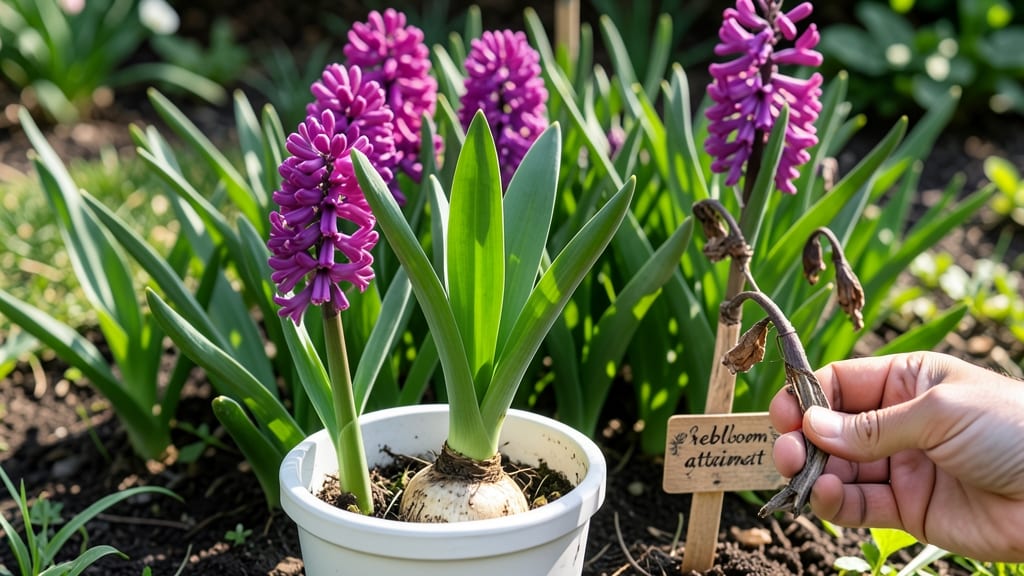
Hyacinths do bloom more than once per season in certain varieties, particularly reblooming Dutch hybrids, which can produce a second, smaller flower cluster with consistent care like deadheading and proper moisture.
Most hyacinths follow a strict once-per-season blooming schedule because they allocate their energy reserves during spring growth. 🌸 The key difference lies in reblooming varieties like Dutch hybrids, which store extra nutrients in their bulbs to support a second, though smaller, flower display later in the season.
This second bloom typically appears 6-8 weeks after the first, but it requires precise care—removing spent blooms immediately (deadheading) prevents energy waste, while balanced fertilization and consistent moisture help sustain the bulb's strength for reblooming.
For best results, I recommend using a high-phosphorus fertilizer after the first bloom fades, as phosphorus supports root and flower development. 💫 Overwatering or letting the soil dry completely between waterings can stress the bulb and reduce reblooming chances.
If you live in a cold climate, protecting the bulbs with mulch during winter also helps preserve their energy for next year's growth cycle.
💡 In This Article
- Why Most Hyacinths Bloom Only Once Per Year
- How to Encourage Reblooming in Hyacinths
Why most hyacinths bloom only once per year
The single-bloom cycle of hyacinths stems from their natural energy conservation strategy.
These bulbs store nutrients during summer dormancy, then rapidly convert those reserves into a spectacular spring flower display. 🌸 The process begins when daytime temperatures consistently rise above 50°F and daylight hours extend beyond 12 hours, triggering the bulb to break dormancy.
This energy-intensive bloom typically lasts 2-3 weeks, completely exhausting the bulb's stored carbohydrates and proteins.
Standard hyacinth varieties prioritize reproductive success over multiple blooms, allocating nearly all their energy to producing one large, vibrant flower cluster. The bulb's foliage continues growing for 6-8 weeks after blooming to replenish reserves through photosynthesis, but this process rarely leaves enough energy for a second bloom.
In contrast, reblooming Dutch hybrids have been selectively bred to store 20-30% more starch reserves in their bulbs, allowing them to produce a second, smaller flower display later in the season.
The difference lies in their growth patterns: non-reblooming varieties focus all their energy on a single, dramatic display, while reblooming types distribute energy more evenly. 💫 This means their first bloom is slightly smaller (typically 4-6 inches tall) compared to standard varieties (6-8 inches), but the trade-off allows for a second chance at flowering.
The key biological factor is the bulb's ability to balance immediate flowering needs with long-term storage requirements.
Daylight length plays a crucial role in this cycle. Hyacinths are short-day plants, meaning they flower in response to decreasing daylight hours after the summer solstice. Standard varieties complete their bloom cycle before the second wave of shorter days arrives, while reblooming types can respond to these secondary triggers.
This explains why second blooms often appear in late summer or early fall rather than repeating the spring display.
Temperature also influences blooming frequency. Bulbs need 6-8 weeks of consistent temperatures between 40-50°F during winter to properly recharge. If winter temperatures fluctuate or are too warm, the bulb may not store sufficient reserves for reblooming.
This is why gardeners in warmer climates often struggle with second blooms—consistent cold exposure is just as critical as proper care during the growing season.
What most gardeners don't realize is that even reblooming varieties require 3-4 years of proper care before they reliably produce second blooms. The first year establishes the bulb's storage capacity, while subsequent years build on that foundation.
This gradual improvement explains why some gardeners see inconsistent reblooming in their first few attempts.