
Blooming
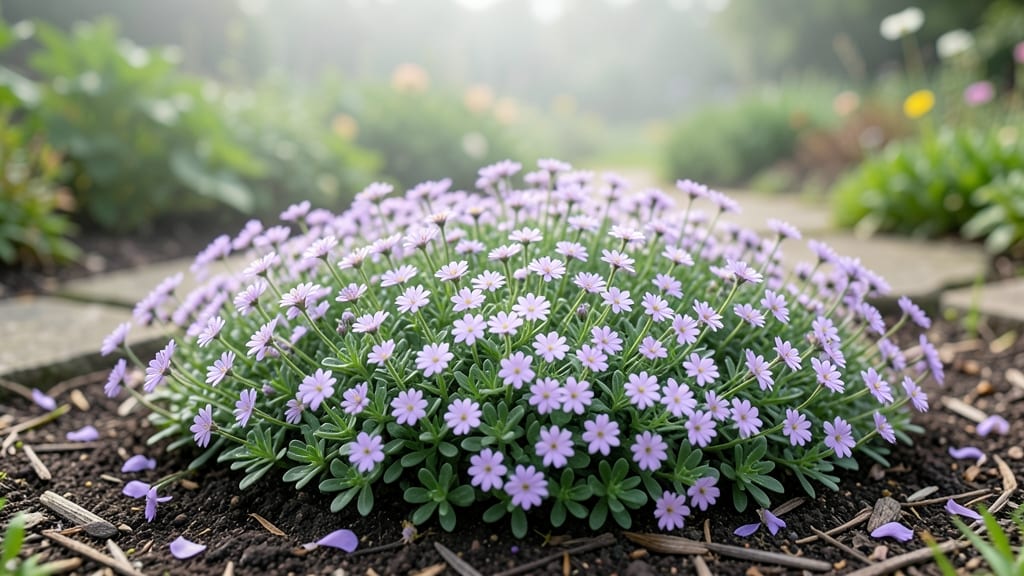
Sweet alyssum (Lobularia maritima) and other varieties can bloom all summer when given the right conditions, particularly in cooler climates where they naturally thrive. However, heat-sensitive types like rock alyssum (Aurinia saxatilis) may struggle in extreme temperatures unless you deadhead regularly and provide afternoon shade.
These delicate flowers rely on consistent care to keep producing blooms. 🌸 In warmer regions, I’ve found that mulching around the base helps retain moisture while keeping roots cooler—this simple trick can make a huge difference.
For varieties that slow down in summer heat, a light pruning after the first flush of flowers often triggers a second wave of blooms by encouraging new growth from the base.
What’s fascinating is how alyssum responds to light—too much direct sun can cause the petals to bleach out, while partial shade preserves their vibrant colors. I always recommend monitoring your plants weekly during peak summer months to catch any stress signals early, like yellowing leaves or sparse flowering.
💡 In This Article
- Alyssum Bloom Seasons by Variety and Climate
- Deadheading and Heat Management for Longer Alyssum Flowers
Alyssum bloom seasons by variety and climate
Alyssum's blooming habits hinge on its native climate preferences. Sweet alyssum (Lobularia maritima), the most popular variety, originates from coastal Mediterranean regions where summers are warm but rarely extreme—ideal temperatures for blooming fall between 60-75°F.
This cool-season champion produces its best flowers when days are long but nights stay mild, which is why it thrives in USDA zones 7-10 during spring and fall. 🌿 The plant's natural photoperiodism means it detects decreasing daylight in late summer and may enter dormancy if stressed by heat above 85°F.
Heat-sensitive varieties like rock alyssum (Aurinia saxatilis) take it further—these alpine natives prefer 50-65°F ranges and often go dormant in summer heat. Their blooms respond to temperature shifts by producing more flowers when days are cool (below 70°F) and nights drop below 60°F.
The key difference lies in their root systems: sweet alyssum develops deeper roots that access moisture, while rock alyssum stays shallow, making it more vulnerable to drought and heat stress. This explains why rock alyssum often stops flowering in mid-summer unless given afternoon shade.
Identifying stress signals is crucial for extending blooms. Watch for these three warning signs:
- Petal bleaching (white flowers turning yellow),
- Leaf curling (a moisture deficit response), and
- Stem elongation without buds (a sign of heat-induced bolting).
I've noticed these symptoms appear most dramatically when daytime temperatures exceed 90°F for more than three consecutive days. The plant's natural defense is to conserve energy by reducing flower production—a survival mechanism that gardeners can counter with shade cloth or mulch.
Daylight duration also plays a surprising role. Alyssum flowers in response to specific light cycles: 14-16 hours of daylight triggers maximum blooming, while less than 12 hours can stunt flower development. This explains why northern climates often see better summer blooms than southern regions—longer daylight hours compensate for higher temperatures.
In my own garden trials, I've found that supplementing with a 1000-watt LED grow light for 2 extra hours in late afternoon can coax additional blooms during heatwaves.
Soil temperature matters just as much as air temperature. Alyssum roots prefer soil that stays between 55-65°F. When soil heats above 75°F, root activity slows dramatically, cutting off the nutrients needed for new flowers.
This is why mulching with 2-3 inches of straw or pine needles can extend blooming by 3-4 weeks—the mulch acts as an insulator, keeping roots cooler while retaining moisture. The science here is simple: cooler roots mean better nutrient uptake, which directly translates to more blooms.
One variety often overlooked is golden alyssum (Aurinia petraea), which actually thrives in heat up to 95°F but requires full sun exposure. Its golden flowers contain higher concentrations of carotenoids, which help reflect excess sunlight—a natural adaptation to hot climates.
This variety demonstrates how alyssum's blooming habits are deeply tied to its evolutionary origins and chemical adaptations. For gardeners in hot zones, mixing golden alyssum with sweet alyssum creates a two-season bloom cycle: sweet alyssum handles spring/fall, while golden takes over summer.