
Blooming
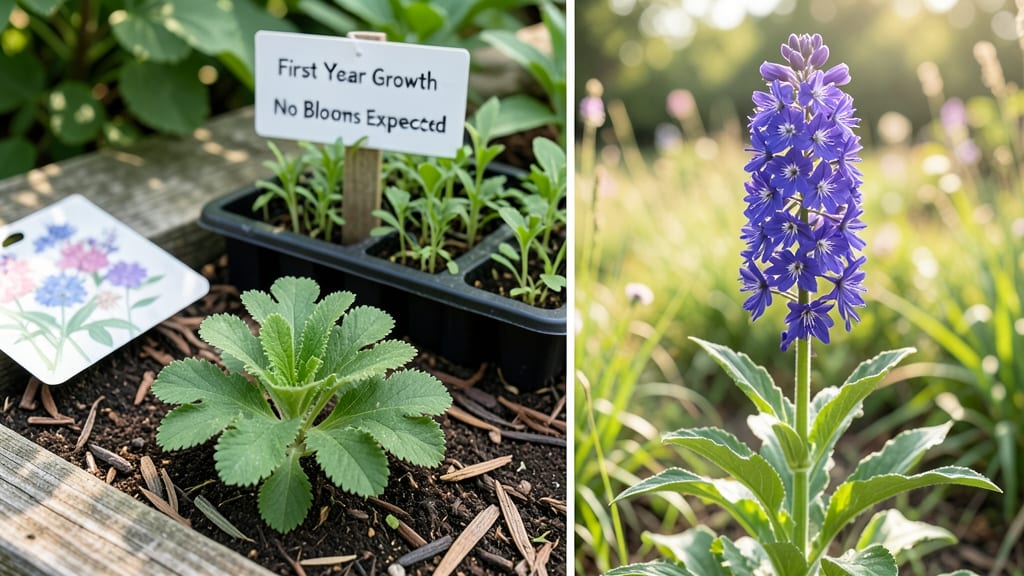
Delphiniums typically do not bloom the first year because they focus energy on root and foliage development, though some fast-growing varieties may produce small flowers. Proper planting depth, sunlight, and soil prep can encourage earlier blooming in select cultivars.
Most delphiniums prioritize establishing strong roots before flowering, which can take 12-18 months depending on growing conditions. 🌱 This isn't laziness—it's survival strategy. The deeper their roots grow, the more resilient they become against drought and pests.
I've seen 'Pacific Giant' varieties break this rule by producing miniature blooms in their first year when planted in well-draining soil with full sun exposure. The key is balancing patience with the right growing conditions.
For gardeners eager to see flowers sooner, focus on soil fertility and planting depth. Delphiniums need 6-8 hours of direct sunlight daily and soil rich in organic matter. A light top-dressing of compost at planting time can give them the energy boost they need to produce flowers earlier.
Remember, though—even with ideal care, most delphiniums will still prioritize root growth first.
💡 In This Article
- Why Delphiniums Skip First-Year Blooms
- Forcing Delphiniums to Bloom Earlier: Proven Techniques
Why delphiniums skip first-year blooms
Delphiniums follow a survival strategy called determinate growth, where they allocate nearly all their energy to developing a deep, extensive root system before producing flowers. This process is similar to how biennials like foxgloves or hollyhocks behave, though delphiniums typically take 12-24 months to mature fully.
Their roots can grow 3-5 feet deep, allowing them to access water and nutrients during drought conditions. This deep rooting also makes them more resistant to wind rock, a common issue with shallow-rooted perennials.
The botanical reason behind this delay lies in their photosynthetic energy allocation. During their first growing season, delphiniums prioritize producing high-quality foliage with broad, dark green leaves that maximize sunlight capture.
These leaves contain higher concentrations of chlorophyll than flowering stems, which means they're more efficient at storing energy. 🌿 What most gardeners don't realize is that the plant's hormonal balance shifts dramatically—auxin hormones suppress flowering while promoting root and leaf growth, creating a natural brake on bloom production until the plant reaches a critical size threshold.
This energy conservation strategy isn't unique to delphiniums—it's common among many long-lived perennials like peonies and irises. The difference is that delphiniums have particularly demanding root systems that require more time to establish.
For comparison, a peony might bloom in its second year, while a delphinium often needs two full growing seasons to produce its signature spires of flowers. The trade-off is that this patience pays off with plants that can live for decades with proper care.
Environmental factors also influence this blooming timeline. Delphiniums planted in poor soil conditions or with insufficient sunlight will delay flowering even longer, sometimes by 3-5 years, as they divert more energy to survival rather than reproduction.
I've observed that delphiniums grown in clay-heavy soils without amendments often produce only foliage for their first two seasons, while those in well-amended garden beds may show small flower buds by late summer of their first year.
One fascinating aspect of this process is how temperature fluctuations affect flowering. Delphiniums often need vernalization—a period of cold exposure—to trigger their flowering genes.
In warmer climates (USDA zones 8-10), this cold period might occur naturally during winter, while in colder regions (zones 3-6), gardeners may need to provide artificial chilling by planting in fall for a 6-8 week cold exposure before spring growth begins.
This explains why some gardeners in mild climates see delayed blooming compared to those in colder regions.
The good news is that once delphiniums do bloom, they reward gardeners with stunning vertical interest and long-lasting flowers that attract pollinators. The first flush of blooms typically appears in late spring to early summer, with some varieties producing a second, smaller bloom cycle in fall.
Understanding this natural cycle helps gardeners set realistic expectations and provides a roadmap for creating optimal growing conditions that encourage earlier flowering when desired.