
Blooming
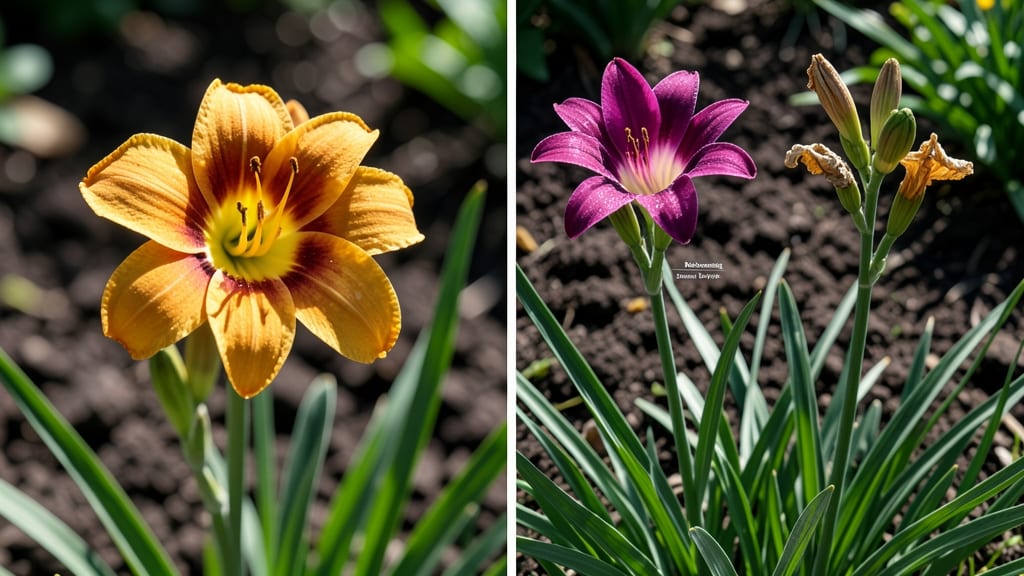
Yes, daylilies do bloom more than once, especially reblooming varieties that produce multiple flower cycles per season with proper care. Early-season bloomers may flower just once, while late-season cultivars often rebloom when given consistent watering, sunlight exposure, and regular deadheading.
Daylilies aren't just one-and-done flowers—they're designed to put on multiple shows! 🌸 The secret lies in their rhizomes, which act like energy storage banks, fueling new blooms after the first flush. Reblooming varieties need 6-8 hours of sunlight daily and 1-1.5 inches of water weekly to keep producing flowers.
I've seen some gardeners extend the blooming season by fertilizing lightly in early summer and removing spent blooms promptly—this tricks the plant into thinking it's still spring!
What's fascinating is how temperature plays a role: cooler nights after hot summer days often trigger new buds. Late-season cultivars like 'Stella de Oro' can keep flowering until frost, while early bloomers might need a mid-season boost with a balanced fertilizer.
The key is consistency—daylilies reward attentive gardeners with longer, more vibrant displays!
💡 In This Article
- How Daylily Reblooming Works: Science Behind Multiple Blooms
- Tips to Encourage Reblooming in Daylilies
How daylily reblooming works: science behind multiple blooms
The magic of reblooming daylilies starts with their unique underground stems called rhizomes. These thick, fleshy structures act like natural batteries, storing carbohydrates and nutrients produced during photosynthesis.
When the plant flowers in spring, it draws on these reserves while simultaneously building new energy stores—this dual process allows reblooming varieties to produce a second (or even third) flush of flowers later in the season.
The timing of reblooming depends on two key factors: daylight hours and temperature shifts. Daylilies are sensitive to photoperiodism—they detect changes in daylight length. Early bloomers typically flower in spring when days are lengthening, while reblooming varieties respond to shorter daylight periods in late summer.
Additionally, cooler nighttime temperatures (around 50-60°F) after hot summer days act as a natural trigger for new flower buds to form. This is why you'll often see late-season blooms in August or September when nights grow cooler.
There's also a fascinating chemical process at work. Daylilies produce a hormone called florigen in response to specific light and temperature conditions. This hormone travels through the plant's vascular system to signal flower bud formation.
Reblooming varieties have been selectively bred to produce florigen multiple times per season, unlike single-blooming types that only generate it once. The result? A continuous display of vibrant blooms when given the right conditions.
Variety selection makes all the difference too. Early bloomers like 'Happy Returns' might produce just one flush in spring, while late-season cultivars such as 'Pardon Me' can continue flowering until frost.
The difference lies in their genetic programming—rebloomers have been developed to maintain active growth throughout the summer, while early bloomers conserve energy for next year's display. This genetic variation explains why some daylilies seem to put on a never-ending show while others fade after their initial bloom.
What most gardeners don't realize is how water stress impacts reblooming potential. During hot summer months, daylilies need consistent moisture to maintain their energy production. When soil dries out completely, the plant conserves water by reducing photosynthesis and flower production.
This is why consistent watering (1-1.5 inches per week) during the growing season is crucial for encouraging multiple bloom cycles. The rhizomes need to stay hydrated to keep fueling those vibrant displays!
Here's a quick comparison of how different varieties perform:
- Early bloomers: Flower once in spring, then go dormant until next year (e.g., 'Margaret Russell')
- Mid-season rebloomers: Produce 2-3 flushes with proper care (e.g., 'Stella de Oro')
- Late-season rebloomers: Continue flowering until frost (e.g., 'Pink Damask')
The science behind daylily reblooming shows how these plants have evolved to take advantage of seasonal changes, rewarding gardeners who provide the right conditions with extended periods of color. 🌟